Trump Must Testify: Newsom Demands Presidential Accountability
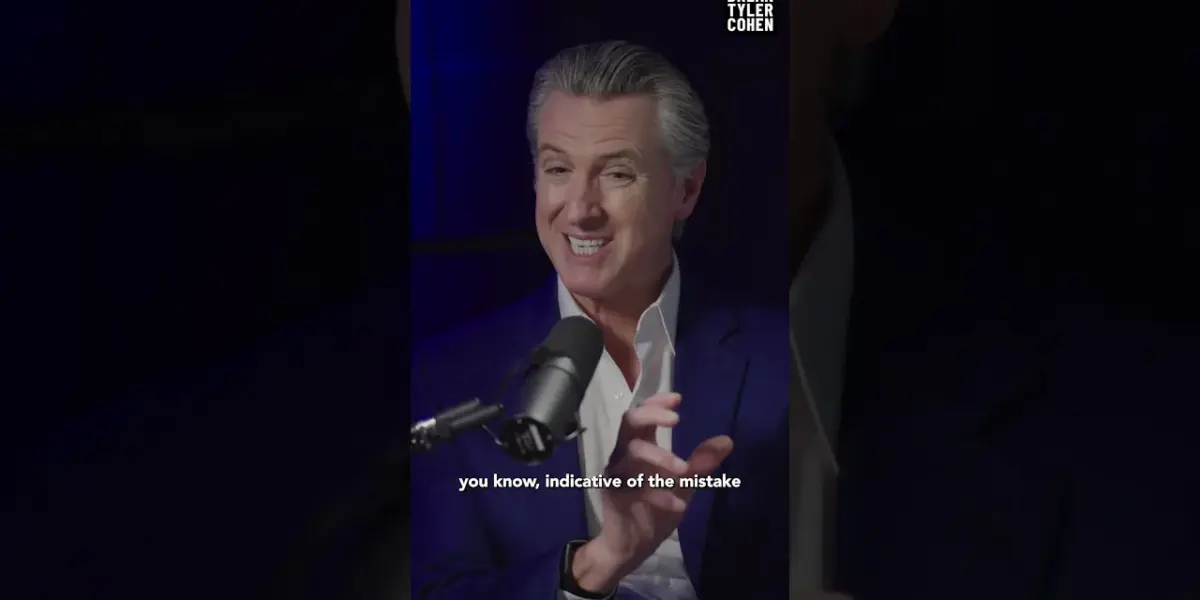
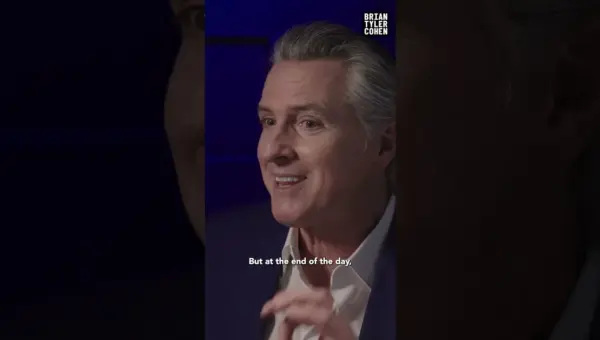
Gavin Newsom argues that "the president himself must appear and testify," setting a precedent for transparency and accountability in oversight functions. The call is amplified by concerns over public trust and controversial investigations.

The Unprecedented Call for Presidential Testimony
In a fiery assertion that reverberates through the halls of power, California Governor Gavin Newsom has issued a stark demand: “the president himself must appear and testify.” This statement, made in response to ongoing investigations and oversight functions, particularly concerning the handling of sensitive documents and public trust, signals a significant escalation in the call for accountability at the highest levels of government. Newsom’s argument is rooted in a principle of reciprocity and consistency in oversight, suggesting that if a president is to set a standard for transparency, they must also be subject to the same rigorous scrutiny they might impose or allow.
Setting the Standard for Oversight
Newsom’s remarks, delivered with an air of inevitability, hinge on the idea that “what’s good for the goose is by definition, good for the gander.” He argues that committees, in their oversight capacity, set a tone and a standard for how investigations and inquiries will be conducted. If a president is expected to engage with these processes, then by extension, they should be prepared to face direct questioning. The implication is that any deviation from this principle creates a precedent that can be exploited, either by the current administration or future ones.
The governor further elaborates on what he perceives as a “mistake” in the current approach to oversight. He points to the release of certain videos and the public perception of how individuals, including figures like Hillary Clinton and even former President Bill Clinton, have navigated or been perceived in relation to oversight committees. While the transcript doesn’t detail the specific content of these videos or the nature of the perceived “running circles,” Newsom uses them as an example of how oversight functions can be mishandled, potentially leading to a perception of political maneuvering rather than genuine transparency.
The Epstein Connection and Public Mistrust
A particularly potent point in Newsom’s argument is the reference to “the guy who appears more than anyone else in the Epstein piles.” This is a veiled but clear allusion to individuals associated with the Jeffrey Epstein scandal, a case that has continued to cast a long shadow over public figures and institutions. Newsom suggests that the individual in question bears significant responsibility for “more of the distrust and mistrust, the redactions and the questions.” By linking the need for presidential testimony to this deeply controversial issue, Newsom aims to underscore the gravity of the situation and the public’s demand for answers.
The governor’s assertion implies that a lack of transparency or a refusal to testify on such sensitive matters only exacerbates public cynicism. The “redactions and the questions” surrounding figures connected to Epstein have fueled speculation and eroded confidence, making a direct appearance and testimony from the highest office a perceived necessity to begin rebuilding that trust.
A Precedent for the Future
Newsom’s central thesis is that the current actions or inactions of oversight committees and the executive branch are not isolated incidents but are, by definition, setting a precedent. “They set the standard. They lowered the bar, raised the bar depending on one’s perspective.” This duality acknowledges that different interpretations can be placed on these actions, but the fundamental point remains: a standard is being established. If a president is not held to the same standard of accountability as others, or if they are perceived to be evading scrutiny, it “lowered the bar” for future presidents and future oversight.
The call for the president to testify is framed not just as a demand for a specific individual, but as a fundamental requirement for the health of democratic institutions. The implication is that the president, as the embodiment of the executive branch and the nation’s highest elected official, should be the first to uphold principles of transparency and accountability. His refusal or failure to do so, according to Newsom, is a failure of leadership that has far-reaching consequences.
Why This Matters
Newsom’s demand for the president to testify is more than just a political statement; it’s a significant moment in the ongoing debate about executive power, transparency, and public trust. In an era marked by heightened political polarization and a pervasive sense of skepticism towards institutions, the calls for accountability are becoming louder and more insistent. The principle of equal application of the law and oversight standards is a cornerstone of a functioning democracy. When the highest office appears to be above such scrutiny, it risks undermining the very foundations of that system.
Furthermore, the reference to the Epstein scandal highlights how deeply intertwined public trust can become with unresolved controversies involving powerful individuals. The demand for testimony in such contexts is often fueled by a desire for closure, justice, and a clear understanding of who knew what and when. Newsom’s argument suggests that a president’s willingness to engage directly with such issues, even if indirectly through testimony, is crucial for demonstrating a commitment to truth and accountability.
Implications, Trends, and Future Outlook
The trend towards demanding greater transparency from all levels of government, including the presidency, is likely to continue. As technology evolves and information becomes more accessible, the public’s expectation of openness will only grow. Newsom’s stance reflects a growing sentiment that no one, not even the president, should be entirely insulated from legitimate oversight inquiries.
The future outlook suggests a continued struggle between the executive branch’s desire for privacy and operational autonomy, and the legislative branch’s constitutional role as a check and balance, coupled with public demand for accountability. The precedent set by how these interactions are handled today will undoubtedly shape the relationship between the presidency and oversight bodies for years to come. If presidents begin to routinely refuse or evade testimony on critical matters, the power of congressional oversight could be significantly diminished, leading to a less accountable government.
Historical Context and Background
The concept of presidential testimony before congressional committees is not entirely new, though it has historically been rare and often contentious. Presidents have invoked executive privilege to shield information and staff from congressional inquiries, leading to legal battles and political standoffs. However, the nature of oversight has also evolved. Post-Watergate, there has been a greater emphasis on the need for transparency and accountability, leading to increased scrutiny of executive actions.
The transcript’s reference to how individuals like Hillary Clinton navigated oversight committees hints at past controversies where the perceived effectiveness or fairness of such proceedings was debated. Each instance of presidential or high-level executive engagement with congressional oversight contributes to a growing body of precedent, shaping both the legal framework and the public’s perception of what constitutes acceptable accountability. Newsom’s demand is a contemporary iteration of this ongoing tension, pushing the boundaries of what is expected from the nation’s highest office in the face of public inquiry.
Source: Newsom: "the president himself must appear and testify" (YouTube)

Related Articles

Trump’s Iran Policy: From ‘Never Again’ to Regional War
Governor Gavin Newsom criticizes former President Trump's "cluelessness" on Iran, highlighting a pattern of inconsistent rhetoric and actions that have led to regional war, economic instability, and human cost. The shifting justifications for escalation underscore a lack of strategic clarity with profound global implications.
Trump DOJ’s Rule Change: Shielding Lawyers or Evading Accountability?
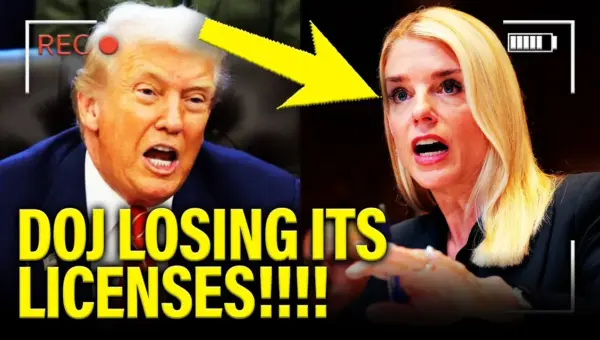
The Trump DOJ has proposed a new rule allowing it to primarily investigate its own attorneys for ethical violations, potentially bypassing state bar regulators. This move, seen by critics as an attempt to evade accountability, follows increased scrutiny of former administration lawyers.

Newsom Claims Trump Hides Damaging Files: What’s Inside?
California Governor Gavin Newsom claims former President Trump is actively suppressing documents because they contain damaging information about his personal involvement in 'grifts' and 'economic opportunities.' Newsom posits that Trump fears the 'immovable' impact of these revelations.