Trump Must End War Now as Iran Holds Global Trade Hostage
Iran's control over the Strait of Hormuz gives it significant leverage, impacting global oil prices and trade. Military options for the U.S. carry high risks of casualties and public backlash. Experts urge President Trump to de-escalate the conflict, warning that further escalation could be a costly miscalculation.

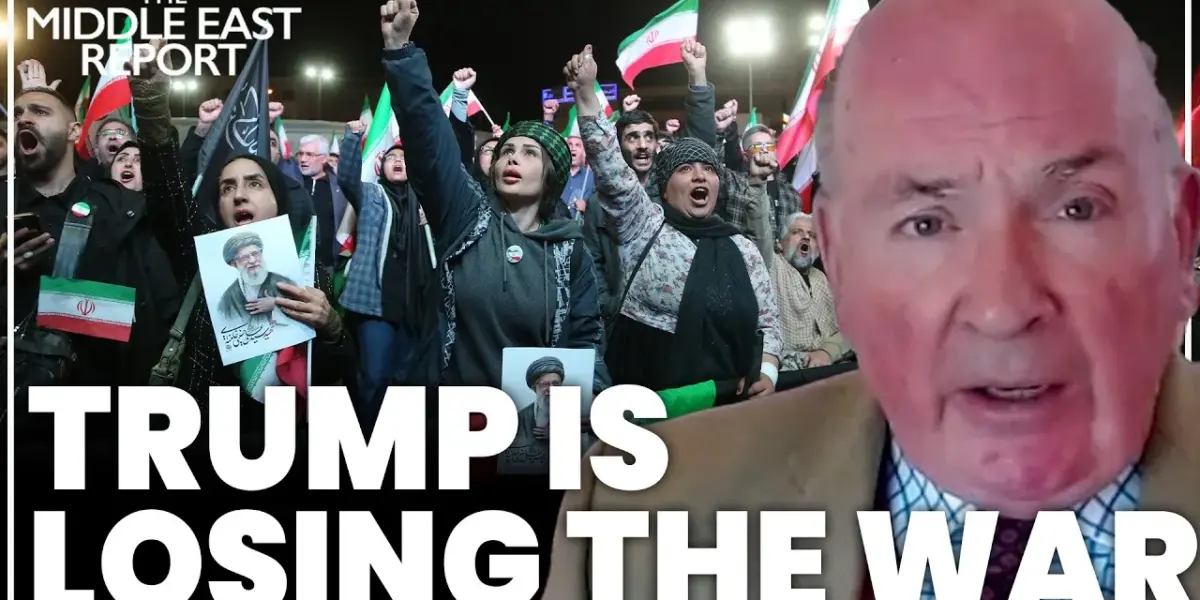
Iran’s Grip on Global Trade Threatens Escalation
The situation in the Middle East is tense, with Iran holding significant power by controlling the Strait of Hormuz. This vital shipping lane is crucial for global oil transport. Any disruption here directly impacts fuel prices worldwide. For weeks, there have been few signs of real progress towards military or political goals for the United States and its allies in the region. The Strait of Hormuz remains closed, causing global fuel prices to climb. There’s no clear way to tell if American objectives are being met.
Military Options Carry High Risks
One idea being discussed is for the U.S. military to seize an island, like K Island, which has oil reserves. The hope would be to use this island as a bargaining chip. However, taking such an island would be a difficult military operation. It would likely result in American casualties, leading to body bags returning home. This could anger the American public. Many remember Donald Trump was elected on a promise to end wars, not start new ones.
A Miscalculation or a Strategy?
Experts suggest that attempting to seize K Island would be a significant miscalculation. It could put President Trump in a difficult spot. The conflict itself began after Israel targeted Iranian leaders. This action forced the U.S. into a war it may not have been fully prepared for. It also prevented President Trump from building a strong coalition of allies beforehand. This sudden start caught allies off guard, leading to confusion and hesitation, as seen with countries like Qatar.
NATO’s Shifting Role and European Security
President Trump has often expressed skepticism about NATO, the North Atlantic Treaty Organization. He has pushed European nations to take more responsibility for their own defense. While this encourages European self-reliance, there’s a worry that the U.S. might withdraw its commitment to NATO altogether. For European security, especially concerning Russia, it’s vital that the U.S. remains a part of the alliance, even if its role changes. Allies may need to step up and support U.S. actions, even if they have reservations, to ensure American engagement in European security.
The Bigger Picture for Allies
The decision for allies to allow the use of their bases, even for defensive purposes, is complex. It’s about understanding the larger need for U.S. involvement in global security. When the U.S. needs help, allies should provide it, carefully considering the extent of that help. This ensures that U.S. influence and commitment to regions like the Middle East are maintained. The UK’s national interest, for example, is tied to world trade and the global economy, which are directly affected by these conflicts.
Iran’s Strategic Advantage and U.S. Buildup
The deployment of a third U.S. aircraft carrier to the region signals an effort to increase pressure on Iran. However, Iran’s control over the Strait of Hormuz remains its strongest card. The idea of seizing K Island is appealing on paper but incredibly difficult in practice. Sustaining forces there, dealing with casualties, and facing domestic backlash are major hurdles. Many believe it’s better for President Trump to declare victory, having achieved enough, and find a way to de-escalate the conflict soon.
De-escalation: A Path to Stability?
The argument is that Iran needs to export its oil, especially to major customers like China, for its economy to function. The flow of oil needs to resume. If the conflict ends, Iran might also see benefits. Its own population, frustrated with the current regime, might find hope for positive change. Furthermore, internal moderation within Iran could lead to a less hostile future for the region.
Israel’s Security Concerns
Israel is deeply concerned about the threat posed by groups like Hezbollah, which possesses a large number of missiles and rockets capable of striking all of Israel. Israel views its actions, including potentially holding land up to the Litani River in Lebanon, as necessary for its very existence and security. Reducing opposition in the region, which includes weakening Iran, removing Hamas, and diminishing Hezbollah’s capabilities, is a primary goal for Israel.
China’s Growing Role in Diplomacy
As the conflict continues, China is emerging as a potential mediator. China’s economic growth relies heavily on global trade, which is hampered by the closure of the Strait of Hormuz. This gives China a vested interest in seeing the conflict resolved. While China maintains ties with Russia, which is involved in the Ukraine war, its own economic needs might push it to influence both the U.S. and Iran towards peace. The ability of leaders like President Trump to resolve international conflicts, such as the one in Ukraine, is being closely watched and linked to their effectiveness in other global arenas.
Why This Matters
This situation highlights the delicate balance of power in the Middle East and its direct impact on the global economy. Iran’s ability to control a critical shipping lane gives it significant leverage. The U.S. faces a difficult choice between military action, which carries high risks and potential domestic backlash, and de-escalation, which might be seen as a sign of weakness. The conflict also has broader implications for international alliances like NATO and the roles of major global players like China. Finding a diplomatic solution that addresses the security concerns of all parties involved is crucial for preventing further economic instability and potential wider conflict.
Trends and Future Outlook
The trend shows a growing reliance on economic pressure points, like the Strait of Hormuz, as a tool of statecraft. The increasing involvement of China as a potential mediator suggests a shift in global diplomatic dynamics. The future outlook points towards continued uncertainty unless a clear de-escalation strategy is adopted. The potential for internal change within Iran, spurred by economic hardship and popular discontent, also remains a significant factor. The effectiveness of alliances like NATO will continue to be tested as global powers navigate these complex geopolitical challenges.
Historical Context
The current tensions are rooted in decades of complex relationships between Iran, the U.S., and regional powers. Iran’s strategic location and its control over the Strait of Hormuz have always made it a critical player. Historically, the U.S. has maintained a strong military presence in the Gulf to ensure the free flow of oil. Disruptions to this flow have historically led to significant global economic consequences. The current conflict is a continuation of these long-standing strategic rivalries and the intricate web of alliances and enmities in the region.
Source: Trump needs to 'ramp war down' as Iran takes control of conflict | Lord Dannatt (YouTube)

Related Articles
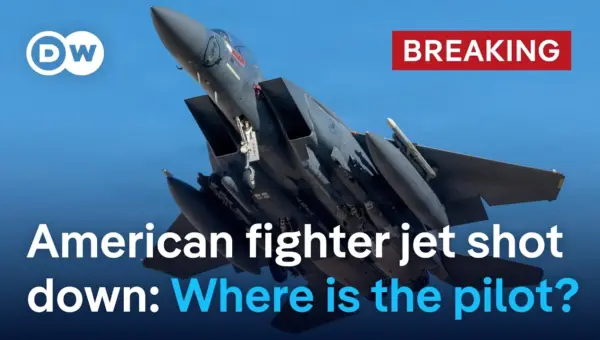
US Jet Downed in Iran: Crew Fate Unknown, War Unpopular
An American F-15 fighter jet has been shot down over Iran, with U.S. officials confirming the loss but offering few details on the crew's fate. The incident occurs amid widespread public opposition to the war and raises questions about Iran's air defense capabilities.

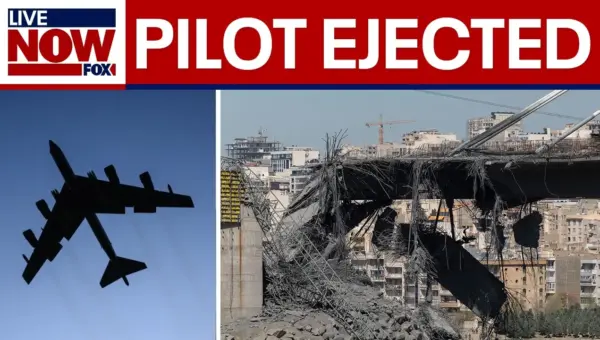
Iran Claims US Pilot Ejected; US Silent Amid Escalating Tensions
Iran claims a U.S. pilot ejected from a fighter jet over its territory, offering a reward for capture. The U.S. has not confirmed the report amid escalating regional tensions. Military experts discuss the strategic implications of U.S. strikes and the potential for internal change in Iran.

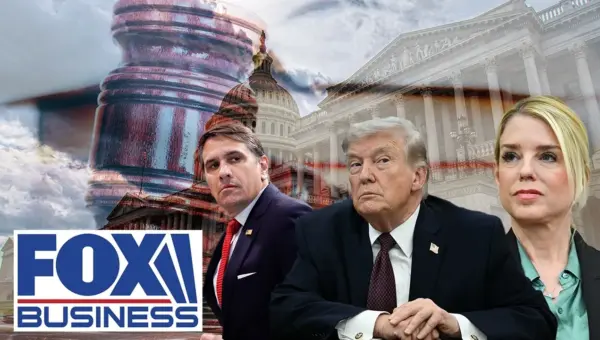
Trump Ousts AG Bondi, Eyes Zeldin as Successor
Pam Bondi is out as Attorney General after one year, with Deputy AG Todd Blanche serving as Acting AG. President Trump confirmed the departure, praising Bondi and hinting at a new private sector role. Lee Zeldin is reportedly being considered as Bondi's permanent replacement, amid ongoing speculation about other cabinet changes.