Trump Moves to Pay DHS Staff Amid Funding Stalemate
President Trump plans to sign an executive order to pay DHS employees amid a prolonged shutdown. This action comes as the department faces funding challenges and a review of its contracting policies. Expert Andrew Arthur discusses the need for congressional action and the push for greater accountability and efficiency within DHS.

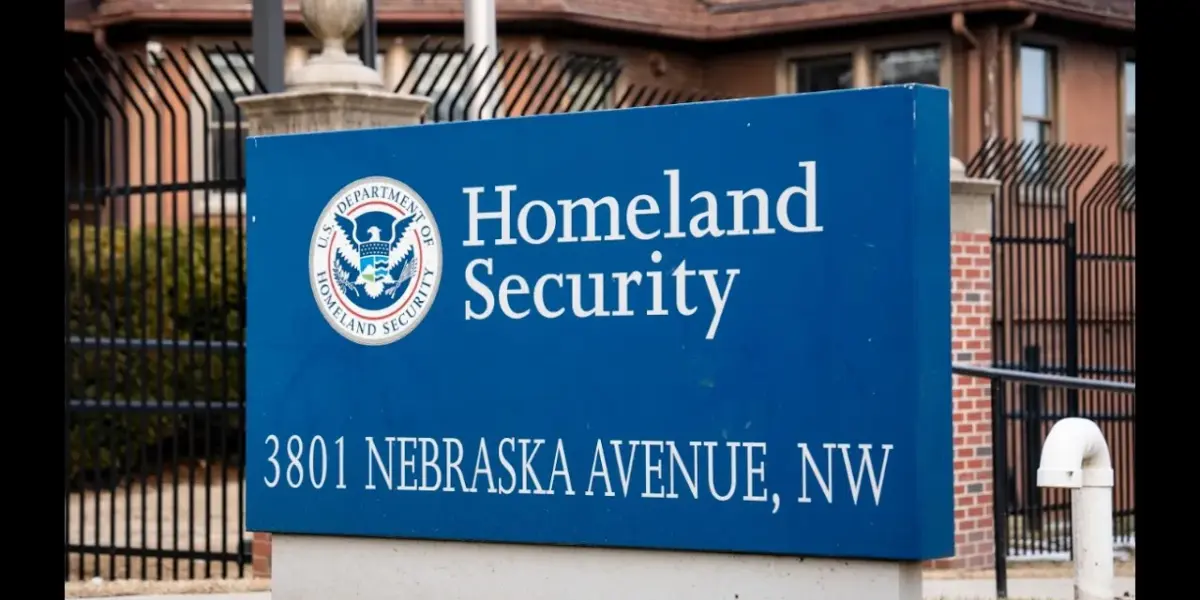
Trump Moves to Pay DHS Staff Amid Funding Stalemate
The Department of Homeland Security (DHS) has faced a prolonged shutdown, impacting its operations and employees. After nearly 50 days without a funding agreement, Republican leaders reached a deal to end the shutdown. However, the House has not yet voted on the measure. In response to the ongoing crisis, President Trump announced his intention to sign an executive order. This order aims to ensure that all employees at DHS receive their paychecks.
The situation highlights a critical need for accountability within the department. Andrew Arthur, a former immigration judge and fellow at the Center for Immigration Studies, discussed the complexities of the funding impasse. He emphasized that passing a funding bill is Congress’s constitutional duty. However, the specifics of what congressional Democrats are seeking remain unclear.
Funding Challenges and Executive Action
While President Trump can use executive orders, the available funds are limited. A $10 billion fund, specified for border security in the “one big beautiful bill act,” is vague and will eventually run out. Arthur suggests a path forward involves Republicans and Democrats cooperating to pass a bill. If Democrats do not agree, Republicans should pass the Senate bill and then use reconciliation to fund the rest of the department, including ICE and the Border Patrol.
The impact of this funding gap is significant, particularly for support staff. While immigration officers and Border Patrol agents are funded until 2029, the essential behind-the-scenes personnel are not being paid. These are the individuals who process applications, take fingerprints, and keep the system running. For those living paycheck to paycheck, waiting months for back pay is not a viable option. Arthur believes this disruption to the mission might even be the goal of congressional Democrats holding up the funding.
Streamlining Contracts and Detention Facilities
In a separate but related development, DHS rescinded a policy requiring the Secretary to personally review every contract or grant over $100,000, raising the limit to $25 million. Arthur, who has a background in government contracts law, views this change positively. He explains that the DHS Secretary oversees a massive department of 250,000 people. It’s impractical for one person to review every contract, especially those under $25 million.
Regarding detention facilities, Arthur notes that former Secretary Kirstjen Nielsen focused on converting large warehouses. However, he points out that the traditional approach involves private contractors with existing facilities. Local jails and state prisons are also willing to contract out unused beds to DHS on a daily basis. He uses the example of York County Prison in Pennsylvania, which successfully contracted out about 300 beds per day to the government at a cost-effective rate. This approach benefits both the government, by being cheaper than building its own facilities, and the local authorities, by generating revenue from underutilized space.
A Push for Agility and Accountability
These moves—Trump’s plan to pay DHS staff and the streamlining of contracting—come as border funding battles continue. Arthur sees these developments as a potential push to make DHS more agile and accountable. He acknowledges that DHS already faces extensive oversight from multiple House committees, the Government Accountability Office, and the Inspector General. However, recent events have raised concerns among the public and members of Congress, necessitating additional accountability measures.
The American people need to know that the government works for them.
Arthur emphasizes the public’s desire to ensure the government is effective and transparent. He also highlights that President Trump entered office with a mandate to remove criminals and undocumented individuals from the country. A recent Harvard Harris poll found that 77% of Americans support deporting criminals and those in the country illegally. Therefore, securing funding for these actions is crucial. Arthur agrees that accountability is necessary, but maintaining American safety remains a top priority.
Why This Matters
The ongoing funding disputes and the administrative actions taken by the Trump administration reveal deep divisions over immigration policy and border security. The need to pay essential DHS employees underscores the immediate human cost of political gridlock. Forcing dedicated public servants to work without pay raises serious ethical and practical questions about how the government manages its workforce and its priorities. The shift in contracting policy suggests a move towards more efficient and potentially cost-effective methods for managing resources, particularly in detention and enforcement.
Implications and Future Outlook
This situation points to a larger trend of executive actions being used to circumvent congressional inaction. While President Trump’s executive order may provide temporary relief to DHS employees, it does not solve the underlying funding issue. The long-term effectiveness of such measures is questionable, as they rely on existing funds that can be depleted. The streamlining of contracts, however, could lead to more efficient operations if implemented correctly. The debate over border funding and immigration enforcement is likely to remain a central issue, with both parties seeking to achieve their objectives through legislative means or executive authority.
Historical Context
Government shutdowns due to funding disagreements are not new in U.S. history. However, the current situation is particularly notable for its duration and the direct impact on a critical department like DHS. Historically, funding for federal agencies has often been a point of contention, especially when divided government exists. The use of executive orders to manage agency operations during funding gaps has also occurred, but the scale and specific nature of these actions can vary. The focus on border security and immigration enforcement has intensified in recent years, making DHS a focal point for political battles.
Source: Trump’s Election Mandate on DHS Stands Amid Need for Accountability: Expert (YouTube)

Related Articles


GOP Lawmaker Demands ‘Aggressive’ AG Replacement
GOP lawmakers are divided over border security funding as one representative calls for a more "aggressive" Attorney General. The debate over funding and the upcoming replacement for AG Pam Bondi highlight internal party struggles. Meanwhile, concerns about birthright citizenship and FEMA's low disaster fund add to the political landscape.


Lawmaker Warns DHS Funding Delay Is “Incredibly Risky”
A GOP lawmaker warns that delays in funding the Department of Homeland Security are "incredibly risky." The House and Senate are locked in a dispute over funding for ICE and CBP, with concerns rising over potential constitutional and operational impacts.


Trump’s Election Order Faces Swift Legal Challenge
A new lawsuit challenges President Trump's executive order on mail-in ballots, arguing it oversteps presidential authority and violates the Constitution. Voting rights groups filed the suit, citing concerns about federal control over elections and potential impacts on ballot delivery. This action follows historical legal challenges to similar executive orders and highlights ongoing debates about election administration.