Trump Mocks GOP, Boasts of Undermining Congress
Donald Trump's recent address to House Republicans saw him boasting about subverting congressional power, while GOP leaders lauded a supposed "golden age." This analysis examines the implications of executive overreach, the silence of lawmakers, and the concerning patterns of rhetoric surrounding foreign policy and economic claims.

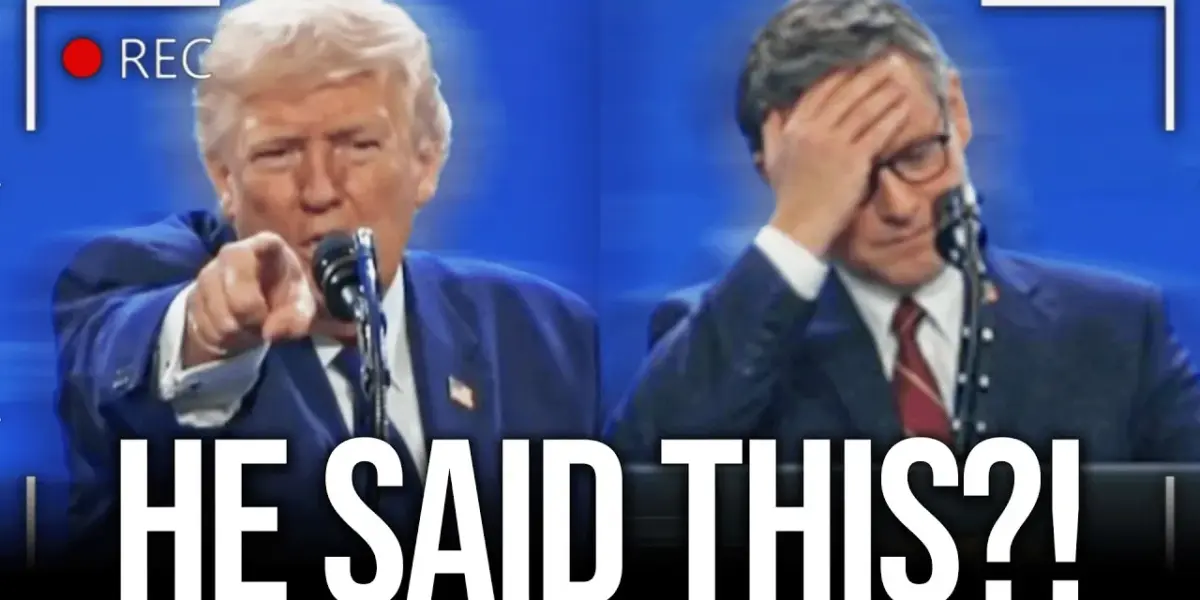
Trump Mocks GOP, Boasts of Undermining Congress
In a recent address to House Republicans at their annual retreat in Doral, Florida, former President Donald Trump reportedly offered a performance that left many observers stunned and critical. The event, intended as a show of unity and strength for the party, instead became a stage for Trump to seemingly revel in his past actions of subverting congressional power, while House Speaker Mike Johnson lauded the period as a “golden age.” This analysis delves into the implications of Trump’s rhetoric, the response from his party, and the broader context of executive versus legislative power in American politics.
A “Golden Age” or a Mirage?
Speaker Mike Johnson opened the event by declaring that the nation was in the midst of a “new golden era.” This assertion was immediately challenged by critics who pointed to a number of economic and social indicators. The argument presented is that this “golden age” is a reality only for a select few, such as billionaires or those potentially implicated in controversial affairs, rather than the average American. The transcript highlights concerns about rising unemployment, particularly among young Americans and people of color, stagnant consumer sentiment reaching lows not seen since 2014, and the significant financial expenditure on military conflicts. The cost of these wars, both in terms of financial resources and human lives, is juxtaposed against the potential for investment in domestic infrastructure, education, and healthcare.
Trump’s Embrace of Executive Overreach
The core of the criticism leveled against Donald Trump centers on his apparent pride in actions that circumvented or weakened the authority of Congress. Throughout his presidency, and seemingly celebrated during this address, Trump employed strategies that bypassed traditional legislative processes. Examples cited include the imposition of tariffs, which some view as an assertion of executive power over Congress’s “power of the purse,” and actions related to defense spending that allegedly subverted congressional appropriations. The speaker’s remarks suggest a pattern where Trump desires “unitary power,” free from the checks and balances of other branches of government.
During his speech, Trump reportedly touted his tariff agenda, even referencing a “disappointing decision from the Supreme Court” that affected his ability to implement them. However, he expressed confidence in finding “lots of other ways of doing the same thing,” indicating a continued willingness to pursue executive actions to achieve his policy goals. This approach, the analysis contends, is not about achieving legislative consensus but about asserting executive dominance.
The Silence of the Republicans
A significant point of contention raised is the reaction of the House Republicans present. The transcript repeatedly describes them as sitting in “absolute silence” or “awkwardly” listening as Trump discussed his approach to foreign policy and economic measures. This silence is interpreted not as respectful attention, but as a passive acceptance of Trump’s narrative and a tacit endorsement of his methods, even when those methods appear to undermine the very legislative body they belong to. Critics question the willingness of elected officials to stand by while the executive branch appears to diminish their constitutional roles.
Contradictions and Fabrications in War Justifications
The analysis also scrutinizes Trump’s statements regarding recent military actions, particularly concerning Iran. The transcript points out a pattern of shifting justifications and potentially fabricated claims to legitimize military engagement. Initially described as a “little excursion” to “get rid of some evil,” the narrative evolved. Trump’s claims about the imminence of an Iranian nuclear threat, suggesting Israel would have been “wiped out” and faced a nuclear weapon within “two weeks,” are presented as unsubstantiated and alarmist. The transcript directly contrasts these statements with official Department of Defense communications that suggest the conflict is ongoing, highlighting a significant disconnect and raising concerns about the transparency and accuracy of war justifications.
The comparison is drawn to the justifications used for the Iraq War, specifically the “weapons of mass destruction lie,” suggesting that the current rhetoric carries similar dangers of misinformation used to rally support for military action. The analysis questions the intelligence behind these claims, noting that the stated threat level and timeline appear to have been manufactured.
Rhetoric on the Iranian People
Further controversy arises from Trump’s remarks about the Iranian people. Describing them as “quite nasty” is presented as a deeply problematic generalization, especially when contrasted with the desire of many to see the Iranian people liberated from their current regime. The analysis emphasizes the distinction between criticizing a government and condemning an entire population, highlighting the potential for such rhetoric to alienate allies and undermine diplomatic efforts. The speaker’s personal connection to individuals of Iranian descent underscores the human impact of such broad-stroke condemnations.
Economic Claims and Wealth Concentration
While Trump highlighted the rise in the stock market and the increase in 401k values as achievements, the analysis counters that these gains may disproportionately benefit the wealthy. The argument is made that an increase in 401k value, while positive, primarily benefits those who already have significant retirement savings, thus exacerbating existing wealth inequality. This economic narrative, according to the critique, overlooks the struggles of the average American facing inflation and economic insecurity.
Why This Matters
The events described and the criticisms leveled raise fundamental questions about the balance of power in the U.S. government. The willingness of elected officials to appear subservient to an executive figure, even when that figure boasts of undermining their constitutional authority, is a significant concern for democratic governance. Furthermore, the use of rhetoric that appears to be based on misinformation or exaggeration to justify military action has profound implications for foreign policy and public trust. The discourse also touches upon the broader trend of political polarization, where party loyalty may supersede institutional integrity.
Implications, Trends, and Future Outlook
This incident reflects a broader trend within the Republican party, where loyalty to Donald Trump often appears to be paramount. The perceived silence of House Republicans suggests a potential shift in power dynamics, where the legislative branch may be increasingly deferential to the executive, especially under a figure like Trump. This could set a precedent for future administrations, potentially weakening congressional oversight and the separation of powers. The reliance on strongman rhetoric and the dismissal of institutional checks and balances are trends that could continue to shape political discourse and action.
The future outlook suggests a continued tension between executive ambition and legislative prerogative. As political campaigns gear up, the effectiveness of Trump’s populist appeal, which often emphasizes decisive executive action over deliberative legislative processes, will be a key factor. The public’s perception of these dynamics, particularly concerning economic well-being and national security, will play a crucial role in shaping electoral outcomes.
Historical Context and Background
The tension between the executive and legislative branches is a recurring theme in American history. The Constitution deliberately created a system of checks and balances to prevent any single branch from becoming too powerful. The War Powers Resolution of 1973, for instance, was enacted to reassert congressional authority over the commitment of U.S. armed forces abroad, a power that presidents have frequently challenged. Similarly, the “power of the purse”—Congress’s exclusive authority to levy taxes and appropriate funds—is a fundamental check on executive actions. Trump’s approach, as described, seems to push the boundaries of these established norms, drawing parallels to past presidential assertions of executive privilege and power, but with a unique emphasis on overtly challenging the legitimacy of congressional oversight.
The rhetoric surrounding foreign policy justifications also echoes historical debates. The lead-up to the Iraq War, with its reliance on intelligence that later proved to be flawed, serves as a cautionary tale about the dangers of misrepresenting threats to garner support for military intervention. The current situation, as presented, invites comparison and raises questions about whether lessons from history are being heeded.
The narrative presented suggests a disturbing willingness from some elected officials to accept rhetoric that undermines their own institutional power. The justification of potentially misleading claims to support military action, coupled with broad condemnations of entire populations, highlights a dangerous path for political discourse and foreign policy.
Source: Trump LETS IT SLIP and STUNS Everyone SILENT (YouTube)

Related Articles

Trump’s ‘Excursion’ Framing: A Rhetorical War on Perception?
Donald Trump's characterization of military actions as "short-term excursions" is a strategic use of language to manage public perception. This analysis explores the rhetorical power of euphemisms, historical precedents, and the potential pitfalls of downplaying conflict.
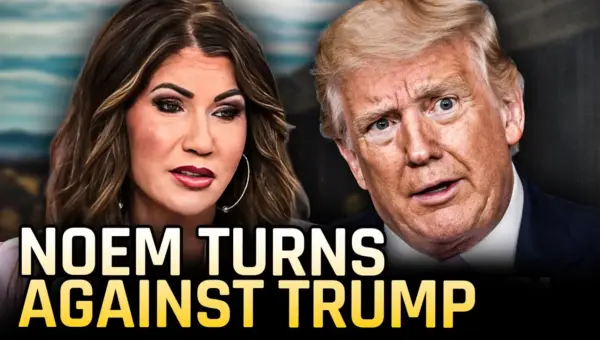
Kristi Noem’s Trump Feud: A MAGA Meltdown Exposed
Kristi Noem's alleged demotion from a Trump administration role has sparked a fierce internal battle. Leaks from her camp accuse Trump of lying and withholding support, while others within MAGA circles dismiss her claims as "laughable." This public feud exposes the volatile dynamics of loyalty and self-interest within the movement.
Fox News Flips: Allies Abandon Trump Amidst Iran War Fallout
As the conflict with Iran escalates, cracks appear in President Trump's support base, with Fox News facing accusations of altering coverage amidst rising gas prices and a credibility gap. The analysis explores the economic fallout, media accountability, and the administration's struggle to define and manage the ongoing hostilities.