Trump Met Netanyahu, Then Ignited Iran War
A secret meeting between Donald Trump and Benjamin Netanyahu reportedly led to the U.S. and Israel launching strikes against Iran. Despite internal doubts from U.S. advisors, Trump appeared to favor Netanyahu's plan for regime change, raising questions about foreign influence on critical decisions.


Trump Met Netanyahu, Then Ignited Iran War
New reports reveal a secret meeting between Donald Trump and Israeli Prime Minister Benjamin Netanyahu just before the United States and Israel launched attacks on Iran. This meeting, which took place on February 11th, has raised serious questions about how decisions were made regarding a potential war.
A Secret Pitch in the Situation Room
According to the New York Times, Netanyahu presented a plan for regime change in Iran during a closed-door meeting in the U.S. Situation Room. He reportedly brought a video showing potential leaders to replace the current Iranian government. Netanyahu argued that Iran’s missile program could be destroyed quickly. He also suggested that Iran would be too weak to block the Strait of Hormuz, a vital waterway for oil transport. Protests, he claimed, could lead to an uprising, and Kurdish fighters might open a new front in the war.
The report states that Trump and Netanyahu were given equal leadership chairs, a highly unusual setup for a U.S. president. Trump seemed to favor Netanyahu’s plan, reportedly pushing aside concerns raised by his own intelligence and military advisors. This is despite historical evidence showing that Iran has the ability to disrupt shipping through the Strait of Hormuz.
Mixed Reactions from Trump’s Team
Inside the meeting, there were clear disagreements among Trump’s advisors. Some, like Senator JD Vance (who was absent from the specific meeting described but later expressed concerns), reportedly objected to the plan. Others, like Senator Marco Rubio, questioned the feasibility of regime change. General Dan Kaine warned that the Israelis often exaggerate their capabilities and that their plans are not always well-developed.
Despite these concerns, Defense Secretary Pete Hegseth was reportedly a strong supporter of immediate action. While military leaders outlined significant risks, including the potential depletion of U.S. weapons and the threat to the Strait of Hormuz, they did not outright oppose the plan. Ultimately, Trump made the decision to proceed with the strikes.
Intelligence Doubts and Escalating Tensions
U.S. intelligence officials reportedly pushed back sharply against Netanyahu’s claims the day after the meeting. CIA Director John Ratcliffe apparently called the regime change scenario unrealistic, suggesting it was untrue. Secretary of State Marco Rubio reportedly described the plan as “bullshit.” These doubts highlight a significant gap between the intelligence assessments and the decisions made.
Trump himself is reported to have dismissed the idea of regime change as Israel’s problem. However, he remained focused on targeting Iran’s leadership and military. This approach has been criticized, as entering a war often means being involved until its conclusion, rather than simply handing off responsibilities.
Historical Context and Influence
Benjamin Netanyahu has a long history of advocating for action against Iran. He has reportedly been trying to convince U.S. presidents to take a harder stance for decades. The current situation echoes past instances where Israeli leadership has sought U.S. support for military action in the region. The influence of foreign leaders on U.S. foreign policy decisions is a recurring theme in international relations.
The report suggests that Trump was particularly receptive to Netanyahu’s pitch. This comes at a time when the war in the region continues, with ongoing ceasefire proposals failing and tensions escalating. The decision to proceed with strikes, despite internal doubts and warnings, has led to a prolonged conflict.
Why This Matters
This reporting sheds light on the complex dynamics of international relations and the decision-making processes behind major foreign policy actions. It raises questions about:
- The extent of foreign influence on U.S. military decisions.
- The reliability of intelligence versus political objectives.
- The potential consequences of initiating conflicts based on optimistic projections.
- The role of key advisors and potential pressure to conform to a leader’s views.
The situation underscores the difficulty of predicting the outcomes of military interventions and the challenges of finding peaceful resolutions in volatile regions.
Implications and Future Outlook
The decision to strike Iran, influenced by this meeting, has had significant consequences, prolonging the conflict and increasing regional instability. The report suggests that the initial goals may have been overly ambitious and that the situation on the ground is more complex than initially presented.
Moving forward, this event highlights the need for careful consideration of intelligence, diverse perspectives from advisors, and a clear understanding of the long-term implications before committing to military action. The ongoing debate about U.S. involvement in the region and its foreign policy priorities will likely continue, shaped by events like these.
The reporting also touches on the internal political divisions within the U.S. regarding foreign policy. Efforts by Democrats to pass war powers authorization indicate a push for greater congressional oversight, while Republican responses could put them in a difficult position with constituents who oppose the war.
Source: JD Vance Leaks Horrifying Secret Trump Meeting (YouTube)

Related Articles


Middle East Must Lead Iran Response, US Steps Back
Radio host Glenn Beck argues that Middle Eastern nations, not the US, must take the lead in addressing regional security threats like Iran. He believes former President Trump's policies are reshaping global order, encouraging allies to become more self-reliant. This signals a potential shift away from traditional US global leadership.


Putin’s Ceasefire Gambit: A Bid for Control
Putin's Easter ceasefire proposal is seen as a bid to regain control of the war narrative amidst battlefield stagnation. Concerns rise over potential U.S. pressure on Ukraine for concessions, while NATO's future and Ukraine's security outlook remain uncertain.

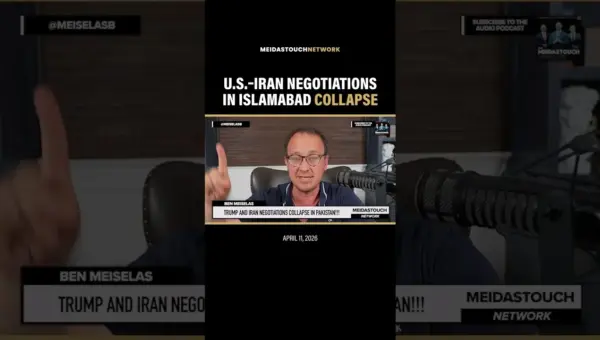
US-Iran Talks Collapse: War Looms After Summit Fails
US-Iran peace talks in Islamabad have collapsed after the Trump administration reportedly tried to change the negotiating framework. Senator JD Vance announced the breakdown, stating Iran refused U.S. demands, signaling a likely return to conflict. The failure occurred while President Trump attended a UFC match.