Trump Library Rises Amid Obama Center Cost Controversy
The Trump Presidential Library has unveiled its design, drawing comparisons to the Obama Presidential Center. While the Trump project highlights private funding, the Obama Center faces criticism over escalating costs and taxpayer impact, with some calling its architecture a "monstrosity."

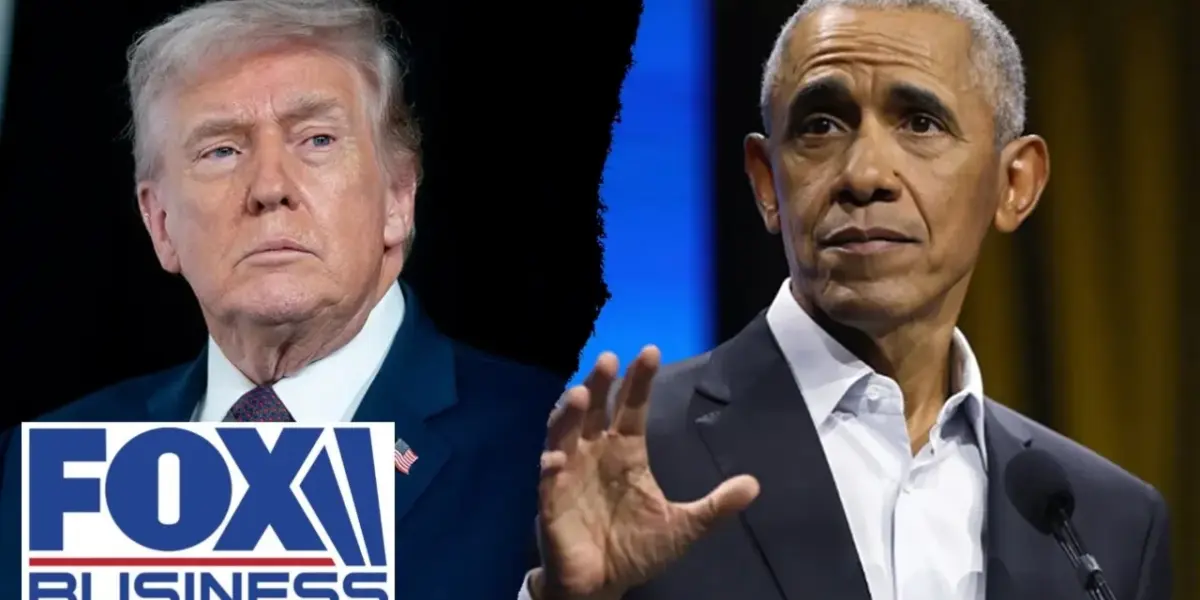
Trump Library Rises Amid Obama Center Cost Controversy
The planned Trump Presidential Library has unveiled its design, sparking comparisons to the controversial Obama Presidential Center. While the Trump project emphasizes private funding and a distinct architectural style, the Obama Center faces scrutiny over escalating costs and its impact on taxpayers.
Obama Center Draws Criticism
Public reaction to the Obama Presidential Center’s design has been sharp. Some onlookers in Chicago have described the architecture as a “monstrosity,” comparing it to a “prison” or a “Muslim stock it up.” These strong opinions highlight a growing concern about the project’s scale and aesthetic. The center has become mired in controversy, particularly regarding its finances.
Initial reports suggest the Obama Center is significantly over budget. Costs have reportedly doubled, exceeding $50 million, with some estimates placing taxpayer contributions as high as a quarter-billion dollars. The Obama Foundation, a non-profit organization, is raising private money for the library. However, questions are being raised about how these funds are being used, with accusations that tax-free donations are paying “exorbitant salaries” to Obama insiders, some reaching six or seven figures.
Trump Library Offers Contrast
In contrast, Eric Trump recently debuted the design for the Trump Presidential Library, with a potential location in Miami. The rendering depicts a structure described as resembling a “Freedom Tower” in Manhattan, featuring a “glitzy” and “solid” appearance. This design is being presented as “classic Trump” and “classic American energy,” fitting for a former president known as a “builder.”
A key distinction emphasized by supporters of the Trump project is its funding model. It is stated that the library will not “drain taxpayer resources.” This approach aims to avoid the financial concerns surrounding the Obama Center. The Trump library is being framed as the “opposite” of the Obama Center, focusing on American energy and avoiding the perceived “community organizing and activism” that critics associate with the latter.
Financial and Political Divide
The contrasting narratives surrounding these two presidential libraries highlight a broader political and financial divide. While the Obama Center faces criticism for its ballooning costs and alleged misuse of funds, the Trump Library is being promoted as a fiscally responsible project funded by private donations. This narrative positions the Trump project as a more palatable option for taxpayers.
The Obama Center’s financial issues are particularly concerning. The sheer amount of taxpayer money involved, coupled with the high salaries reportedly paid to foundation staff, raises questions about transparency and accountability. The project’s escalating costs suggest potential mismanagement or unforeseen challenges that have significantly impacted its budget.
What Investors Should Know
While presidential libraries are not direct investment vehicles, the controversies surrounding their funding and construction can offer insights into broader trends. The Obama Center’s financial challenges may reflect the rising costs associated with large-scale public-private projects and the complexities of managing donor funds. Investors often look at how effectively organizations manage their finances, especially when taxpayer money or tax-exempt donations are involved.
The Trump Library’s emphasis on private funding and its distinct architectural vision could set a different precedent. It suggests a model where major projects are pursued with less reliance on public funds, potentially appealing to a different segment of donors and supporters. This approach might be seen as more efficient by some, while others may question the long-term implications of such private endeavors.
The public discourse surrounding these libraries also reflects political sentiment. The criticisms leveled against the Obama Center and the positive framing of the Trump Library are part of a larger political narrative. For investors and observers of the political landscape, understanding these dynamics can provide context for policy changes or shifts in public spending priorities that might affect various sectors.
Ultimately, the developments with both presidential libraries underscore the importance of financial oversight, transparency, and public accountability in large-scale projects. The contrast presented between the two initiatives offers a case study in differing approaches to funding, design, and public perception in high-profile ventures.
Source: Trump shares rendering of new presidential library (YouTube)

Related Articles

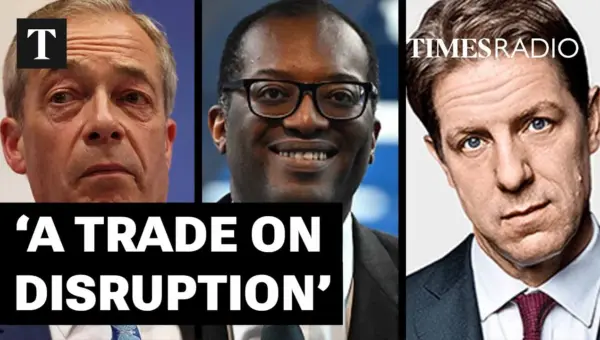
Farage Invests in Bitcoin Firm, Sparking Political Finance Fears
Nigel Farage's £200,000 investment in a Bitcoin firm linked to Kwasi Kwarteng highlights the growing ties between cryptocurrency and populist politics. This trend, mirroring US developments, raises concerns about financial stability and conflicts of interest in British democracy.


Museums Face Visitor Slump, Debate Over Charging Entry Heats Up
UK museums are experiencing a decline in visitors, sparking a debate on whether to introduce entry fees. While the Natural History Museum thrives, other institutions face financial pressure. The discussion also covers Donald Trump's controversial Pearl Harbor joke and the need for tech firms to combat phone theft.


Markets Rally on War End Hopes, But Risks Remain
Global markets surged on hopes of a swift end to the Iran conflict, but analysts warn that elevated oil prices and ongoing geopolitical risks could still significantly impact economic growth. The true economic fallout may not yet be fully reflected in stock prices.