Trump Leads Middle East War, Sparks Outrage With ‘Sociopath’ Remarks
President Trump's handling of the U.S.-Israeli war against Iran is drawing sharp criticism, with allegations of "sociopathic" behavior and misinformation. His recent remarks to the Japanese Prime Minister, referencing Pearl Harbor and nuclear weapons, have sparked outrage and raised serious concerns about his judgment.

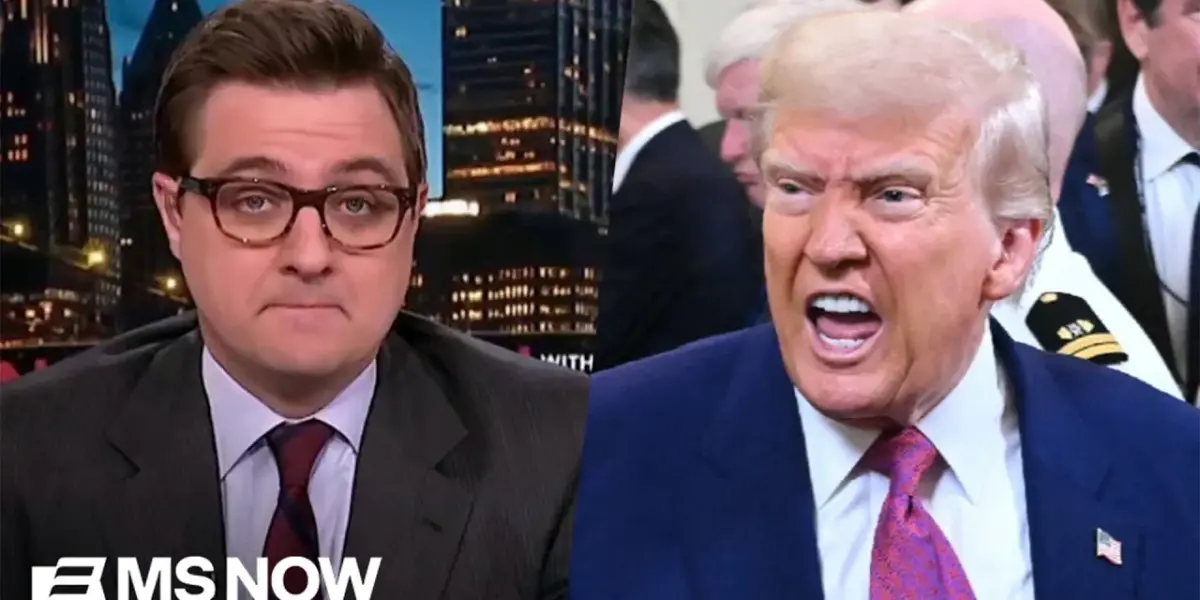
Trump’s War Leadership Under Fire Amidst Middle East Conflict
President Donald Trump is facing intense criticism over his handling of the ongoing U.S.-Israeli war against Iran, now nearing the end of its third week. Critics, including commentator Hayes, argue that Trump’s leadership is deeply flawed, describing him as a “flat-out sociopath” whose actions are exacerbating the conflict. The war has already resulted in significant casualties, with Reuters reporting over 2,000 deaths across 14 affected countries, including 13 U.S. service members killed and at least 200 wounded.
Contradictory Statements on War Progress
Despite the grim reality on the ground, President Trump expressed confidence in the war’s progress. During a White House event, he stated, “It’s going to be over with pretty soon. We’ve obliterated the Navy. We’ve obliterated their just about everything there is to obliterate, including leadership.” However, these claims were quickly met with skepticism. A military spokesperson later confirmed that an F-35 fighter jet made an emergency landing in the Middle East after a combat mission over Iran, a detail that seemed to contradict the president’s assertion of complete dominance.
Echoes of COVID-19 Misinformation
The president’s approach to the current conflict is drawing parallels to his administration’s response to the COVID-19 pandemic. Critics accuse Trump of consistently downplaying the severity of situations, spreading misinformation, and attempting to spin narratives. As oil prices have surged and gasoline costs have risen across the country, Trump has repeatedly pointed to a past economy where “oil prices were very low” and “gasoline was dropping,” suggesting a better economic situation before the conflict began.
‘Sociopathic’ Behavior on Display with Japanese Prime Minister
A particularly alarming incident occurred when President Trump hosted the Prime Minister of Japan in the Oval Office. In response to a reporter’s question about coordinating with allies before attacking Iran, Trump invoked the surprise attack on Pearl Harbor. He stated, “Who knows better about surprise than Japan? Okay? Why didn’t you tell me about Pearl Harbor? Okay?” This remark, made while the Japanese Prime Minister sat beside him, drew widespread condemnation. Critics pointed out the insensitivity of equating all Japanese people with a historical event and the president’s apparent inability to grasp the diplomatic implications of his words. The incident highlighted what many see as Trump’s profound lack of empathy and his tendency to make offensive and inappropriate comparisons.
“The guy has the nuclear codes, he literally does, they are in that room with him right there and to be honest for the last 11 years I have gone to work every day into this studio trying to find new ways to basically say the same thing about this guy. About how just wildly dangerous it is to have a likely sociopath as the most powerful person.”
Hints of Nuclear Escalation
Adding to the concern, President Trump also alluded to the use of nuclear weapons. He remarked, “The military equipment, the power of some of this weaponry is unthinkable. You don’t even want to know about it. You could end this thing in two seconds if you wanted to, but we are being very judicious.” This statement, made in the presence of the Japanese Prime Minister, was particularly chilling given Japan’s history as the only nation to have experienced nuclear attacks. The casual mention of such devastating power by the leader in control of the U.S. nuclear arsenal has raised serious alarms about his judgment and temperament.
Lack of Empathy in Interactions with Colleagues
Trump’s alleged lack of empathy was further underscored in a recent exchange with House Speaker Mike Johnson. During a public meeting, Trump recounted a story about Congressman Neil Dunn, who had a terminal diagnosis. Trump gleefully shared details of Dunn’s grim prognosis, seemingly taking pleasure in the congressman’s loyalty despite facing death. “He’ll be proud. Go ahead, tell him the story,” Trump urged Johnson, detailing how Dunn, despite being told he would be dead by June, continued to come to work.
Chief of Staff’s Diagnosis Ignored
The situation was made even more disturbing by the presence of White House Chief of Staff Susie Wiles, who had recently revealed her own breast cancer diagnosis. Trump had even posted about Wiles’s condition on social media, indicating he was aware of her health battle. Yet, immediately after discussing Congressman Dunn’s terminal illness with apparent delight, Trump smiled obliviously at Wiles, who was sitting beside him. This stark contrast between his recounting of Dunn’s impending death and his apparent disregard for Wiles’s own serious health challenge has been cited as further evidence of his profound lack of basic human empathy.
Concerns Over Nuclear Authority
The cumulative effect of these incidents, critics argue, is a deeply troubling picture of the individual holding the ultimate authority over the U.S. military and its nuclear arsenal. The description of Trump as a “sociopath” and “narcissist” by Hayes and others reflects a growing concern that his personality traits pose a significant risk to national and global security. The combination of aggressive foreign policy, questionable rhetoric, and a perceived lack of empathy raises serious questions about his fitness for command, especially when decisions involving life and death, and potentially global annihilation, are at stake.
Looking Ahead
As the Middle East conflict continues and domestic criticism mounts, attention will be focused on President Trump’s future actions and statements. The upcoming weeks will likely reveal whether his administration can de-escalate the war or if his leadership style will further complicate an already volatile geopolitical situation. The ongoing debate about his temperament and its implications for national security is expected to intensify.
Source: ‘Flat-out sociopath’ Trump is leading a war with no end in sight, says Hayes (YouTube)

Related Articles

Iran Targets US With Cyberattacks, Escalating Digital Warfare
Iran is increasingly using cyberattacks to challenge the U.S., as seen in a recent hack of the FBI director's account. Experts say this is a strategic shift due to Iran's limitations in conventional warfare. The U.S. needs to strengthen its digital defenses, focusing on encryption and cloud computing, rather than solely relying on traditional security measures.

Iran Hacks FBI Chief, Exposing U.S. Cyber Vulnerabilities
A recent hack of FBI Director Kash Patel's personal email by an Iran-linked group highlights Iran's growing cyber threat to the U.S. Experts explain how simple security oversights are exploited, emphasizing the need for basic defenses like two-factor authentication to protect against propaganda and potential infrastructure attacks.
Ukraine Strikes Russian Oil Refinery, Eyes Iran Threat
Ukrainian forces struck a key Russian oil refinery, disrupting Moscow's war capabilities. Meanwhile, Finland's president urged continued U.S. support for Ukraine, as Kyiv shares its air defense expertise globally amid growing geopolitical complexities involving Iran and potential sanctions against Hungary.