Trump Lashes Out at Former Allies: A Political Earthquake
Donald Trump has publicly attacked former allies like Tucker Carlson and Candace Owens, labeling them "stupid" and accusing them of undermining national interests. This feud highlights divisions within conservative media and raises questions about Trump's influence and the tone of political discourse.

Trump Lashes Out at Former Allies: A Political Earthquake
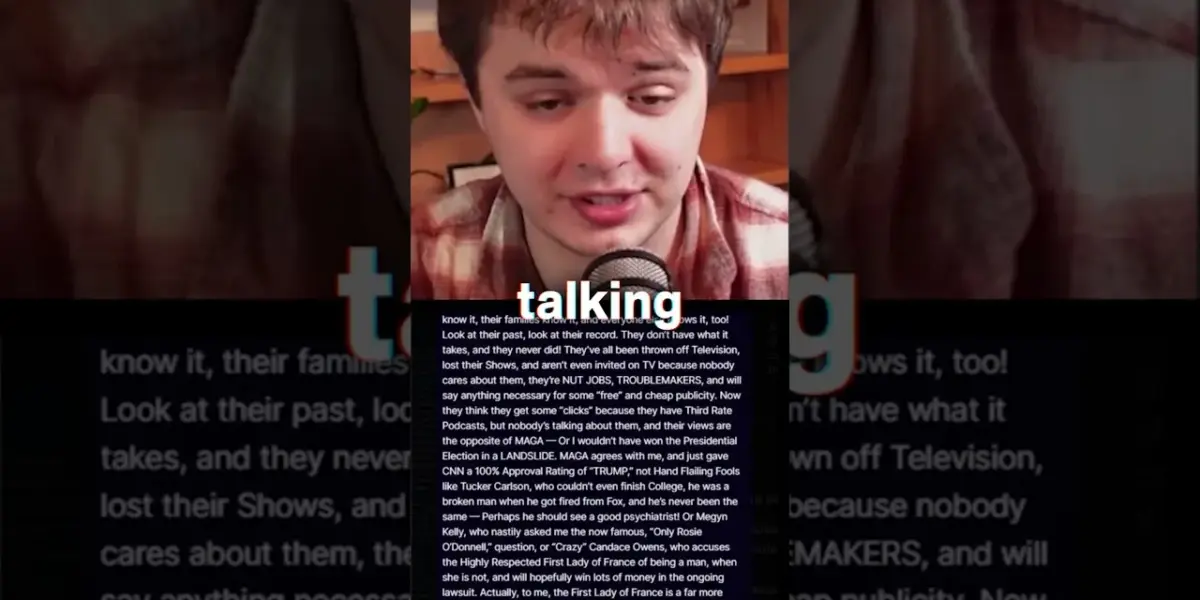
Donald Trump, the former president, has recently launched a sharp attack on several prominent conservative figures, including Tucker Carlson, Megyn Kelly, Candace Owens, and Alex Jones. This public dispute highlights a growing rift within conservative media circles and raises questions about Trump’s relationship with those who once championed his cause.
The Core of the Controversy
Trump’s criticism centers on his belief that these individuals are not only opposing him but are also undermining core American interests. He specifically accused them of holding views that would benefit Iran, which he identified as the leading state sponsor of terror, particularly regarding nuclear weapons development. Trump’s strong words suggest a deep-seated frustration with these media personalities, whom he labeled as having “low IQs” and being “stupid people.”
He further argued that these figures have been sidelined from mainstream television, suggesting their influence has waned. According to Trump, they are now relegated to “third-rate podcasts” and are seeking “free and cheap publicity.” He asserted that their current views are contrary to the “MAGA” movement, implying they have strayed from the principles he represents.
Counterarguments and Observations
However, the narrative presented by Trump faces immediate challenges. Critics point out the irony of his statements, arguing that by publicly attacking these figures, he is inadvertently giving them the attention they seek. The very act of Trump discussing them on his platform, even to criticize, amplifies their reach and potential audience. This dynamic suggests that Trump’s attacks might be counterproductive, potentially boosting the very individuals he aims to discredit.
Furthermore, the transcript notes that the “MAGA” base is not uniformly aligned with Trump’s current stance. It suggests that many supporters may actually agree with the criticisms leveled by figures like Carlson, rather than siding with Trump’s dismissive remarks. This indicates a potential disconnect between Trump’s perception of his own movement and the reality on the ground.
Specific Accusations and Personal Attacks
Trump did not shy away from making specific and personal attacks. He described Tucker Carlson as someone who “couldn’t even finish college” and was a “broken man” after being fired from Fox News, even suggesting he “should see a good psychiatrist.” Candace Owens was targeted with a particularly inflammatory accusation, being called “crazy” and accused of falsely claiming the First Lady of France is a man. The transcript expresses shock at this latter comment, even invoking the 25th Amendment in a hyperbolic manner, calling the remark “batshit crazy.”
These personal insults suggest a departure from policy-based debate into ad hominem attacks. The analysis within the transcript frames Trump’s behavior not just as a “temper tantrum” but as a deliberate attempt to “point fingers at other people” and “divert attention away” from his own issues. His claim that he no longer returns their calls, and that this is why they are upset, is presented as an “egotistical rant,” highlighting a perceived need for validation and control.
Historical Context and Background
The relationship between Trump and these media figures has evolved significantly. Initially, many of them were strong supporters of Trump, providing a platform and amplifying his message during his presidency and campaigns. Figures like Tucker Carlson and Alex Jones were instrumental in building a media ecosystem that was highly favorable to Trump. However, as Trump’s political standing has shifted and new controversies have arisen, these alliances have fractured.
The shift in allegiance, or at least the public expression of dissent, from figures like Carlson and Owens, often seen as influential voices within conservative circles, represents a significant development. Their criticism, especially when it comes from individuals who previously benefited from Trump’s orbit, carries weight and signals a potential fracturing of the conservative media landscape. This internal conflict is not new in politics, but the high-profile nature of these individuals makes this particular dispute noteworthy.
Why This Matters
This public spat is more than just a celebrity feud; it has significant implications for the Republican Party and the broader conservative movement. The figures Trump is attacking are influential opinion leaders who shape the views of millions. Their critiques, and Trump’s responses, could influence voter sentiment and potentially create divisions within the Republican base. The ability of the party to present a united front is crucial, especially in an election cycle.
Furthermore, the nature of the attacks – particularly the personal insults and the accusations of low intelligence – raises concerns about the tone of political discourse. When prominent leaders resort to such language, it can normalize aggressive and divisive rhetoric, potentially lowering the standard for public debate. It also forces voters to consider the character and temperament of those seeking or holding power.
Implications, Trends, and Future Outlook
The trend here suggests a growing fragmentation within the conservative media sphere. As Trump faces new challenges and his influence is tested, figures who once relied on his popularity may find it politically advantageous to distance themselves or offer criticism. This creates an opportunity for new voices or established figures to gain prominence by offering alternative perspectives.
For Trump, this conflict presents a challenge. He thrives on loyalty, and public criticism from former allies can be damaging. His strategy of lashing out aggressively might energize his base, but it could also alienate potential supporters or create lasting animosity. The future outlook depends on how these dynamics play out. Will these critics gain traction, or will Trump’s attacks effectively silence them? The answer will likely shape the narrative and alliances within conservative politics for the foreseeable future.
The outcome of these disputes could also influence media consumption habits. As traditional media platforms face challenges, and individuals seek out new sources of information, the roles and impacts of figures like Carlson, Owens, and Jones, and their interactions with major political figures like Trump, will be closely watched. This ongoing drama underscores the complex and often volatile nature of modern political media.
Source: Trump Goes Off on His Own Allies #politics #fyp #new (YouTube)

Related Articles
Trump Faces Backlash as Allies Criticize His War Strategy
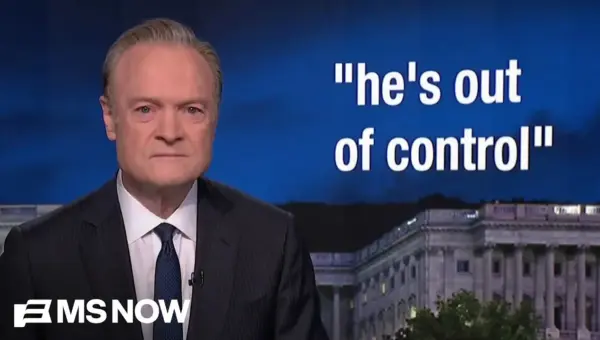
Donald Trump is facing increasing criticism from allies and political figures over his handling of a foreign conflict, with concerns mounting about his mental stability and decision-making. His wife, Melania Trump, has entered the discourse, calling for testimony from Epstein survivors, while figures like Marjorie Taylor Greene question his fitness for office. Reports also highlight issues with military preparedness and Trump's unique approach to international negotiations.
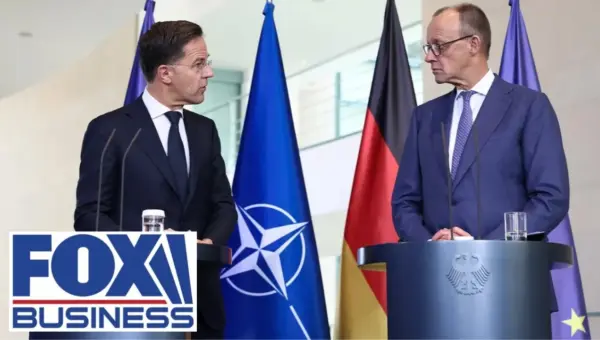
Rutte Faces Backlash: Trump Allies Criticize NATO Chief
NATO Secretary General Jens Stoltenberg's remarks on global safety and Iran's nuclear program have drawn fire from Trump allies. Former State Department official Christian Whiton called Stoltenberg the "odd man out" in Europe, questioning the substance behind his supportive words for U.S. policy. The debate also raises questions about potential U.S. troop realignments within the NATO alliance.

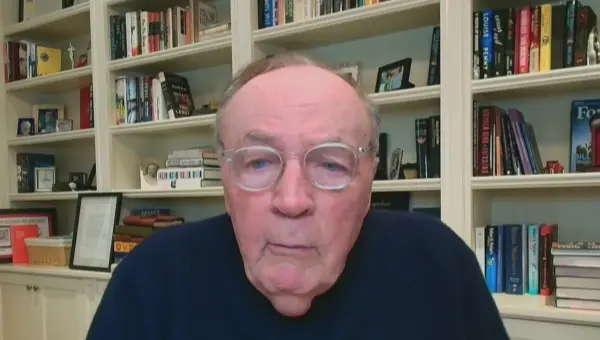
Teachers Face Crisis Amid Shifting Education Goals
America's teachers are facing a crisis, struggling with declining student engagement and increasing politicization. Author James Patterson's new book highlights these challenges, emphasizing the need to let teachers teach and support their vital role in shaping the nation's future.