Trump Issues 10-Day Ultimatum to Iran as Military Tensions Escalate in Middle East
President Trump has given Iran a 10-day ultimatum amid a massive U.S. military buildup in the Middle East, raising fears of sustained military action. The crisis involves Iran's nuclear program and has complicated other diplomatic initiatives including the Chagos Islands deal.

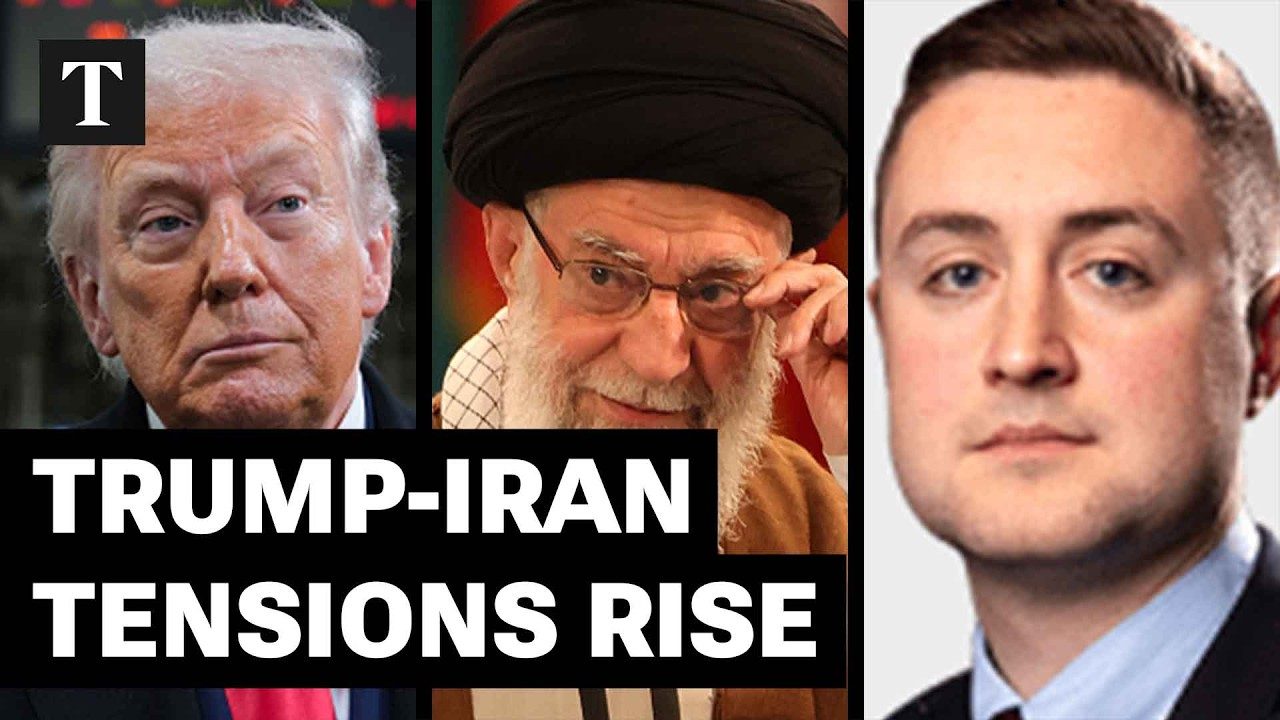
President Donald Trump has issued Iran a stark 10-day ultimatum, raising fears of imminent military action in the Middle East as the United States significantly bolsters its military presence in the region. According to political analysis, Trump’s history of acting ahead of his own deadlines has left international observers on edge about potential strikes that could unfold into sustained military operations.
Military Buildup Signals Serious Intent
The Trump administration has assembled a formidable military presence around Iran in recent weeks, deploying two aircraft carriers to the region alongside numerous other military assets. This unprecedented buildup suggests that any potential military action would not be limited to overnight strikes, but could escalate into a sustained campaign with far-reaching global consequences.
Political analyst Harry Yorke from The Sunday Times warned that based on Trump’s past behavior, the president often “catches everyone by surprise and goes much earlier” than his stated deadlines. This pattern has heightened tensions across the region, with allies and adversaries alike preparing for potential military escalation.
Nuclear Negotiations at Critical Juncture
The ultimatum centers on Iran’s nuclear weapons development program, with the United States demanding that Iran completely dismantle all nuclear capabilities. The two nations are currently locked in high-stakes negotiations, but Trump’s deadline approach signals a shift toward more aggressive diplomatic tactics backed by military threats.
The situation represents a dramatic escalation in U.S.-Iran relations, which have remained tense since Trump’s previous presidency when he withdrew the United States from the Iran nuclear deal in 2018. The current crisis reflects ongoing concerns about Iran’s nuclear ambitions and regional influence.
UK Reluctance Over Military Base Access
Reports suggest that the United Kingdom’s position on potential military action against Iran may have influenced other diplomatic matters. According to sources, Trump’s opposition to the Chagos Islands deal may be partly related to the UK’s reported unwillingness to allow American forces to use British air bases for potential strikes on Iran.
Foreign Secretary David Lammy’s recent visit to Washington, where he met with Secretary of State Marco Rubio, appears to have focused on maintaining diplomatic channels. The UK government’s preference for continued negotiations rather than military action reflects broader European concerns about regional stability.
Chagos Islands Deal in Jeopardy
The Iran crisis has complicated other international agreements, particularly the Chagos Islands sovereignty deal. The proposed agreement to transfer sovereignty to Mauritius now faces uncertainty due to Trump’s withdrawal of U.S. support, highlighting how interconnected modern diplomatic arrangements have become.
The situation has created an unusual scenario where four Chagossians currently on the islands face potential imprisonment for being on territory that was supposed to be returned to them. This reflects the complex legal and political ramifications of the stalled agreement.
Economic Implications and Trade Tensions
The escalating Iran situation comes alongside significant trade disruptions following a Supreme Court ruling on Trump’s tariffs. The court determined that Trump lacked authority to impose his “liberation day” tariffs using emergency powers, forcing the administration to restructure its trade policy approach.
The UK, which previously enjoyed a privileged trading position with a baseline 10% tariff, now finds itself on equal footing with other nations as Trump implements new global tariffs. This development demonstrates how military and economic policies have become increasingly intertwined in the current administration’s approach to international relations.
Regional Allies Express Concern
International partners are closely monitoring the situation, with many expressing preference for diplomatic solutions over military action. The substantial U.S. military presence in the region has already begun affecting global markets and diplomatic relationships, indicating the far-reaching implications of the current standoff.
The timing of the crisis, coming early in Trump’s term, suggests that Middle East policy will be a defining issue for his administration. The approach taken toward Iran could set precedents for other international disputes and significantly impact regional stability.
Implications for Global Security
Security experts warn that sustained military action against Iran could destabilize the entire Middle East region, potentially affecting global energy markets, international shipping routes, and broader geopolitical alliances. The involvement of two aircraft carriers and substantial military assets suggests preparation for operations that could extend well beyond limited strikes.
The situation underscores the delicate balance between diplomatic pressure and military threats in international relations. As the 10-day deadline approaches, global attention focuses on whether negotiations can prevent what could become a significant regional conflict with worldwide implications.
The coming days will likely prove crucial in determining whether diplomatic channels can resolve the crisis or if military action will reshape Middle Eastern geopolitics for years to come.
Source: Trump Threatens Sustained Strikes On Iran If Ultimatum Ignored | Harry Yorke (YouTube)

Related Articles

Senator Kelly: Khamenei’s Death is Positive, But Lacks a US Strategy
Senator Mark Kelly welcomed the death of Iranian Supreme Leader Ali Khamenei, calling it a "good thing." However, he sharply criticized the current U.S. administration for lacking a coherent strategy to manage the significant geopolitical shift. Kelly emphasized that "hope is not a strategy" and called for clear objectives and actionable plans to ensure American security.

US Service Members Killed in Strikes Against Iran
Three U.S. service members were killed and five wounded in "Operation Epic Fury" airstrikes targeting Iran. The incident, which involved shrapnel injuries and concussions, underscores the ongoing risks in the volatile Middle East. U.S. Central Command is investigating the exact location and circumstances of the casualties.
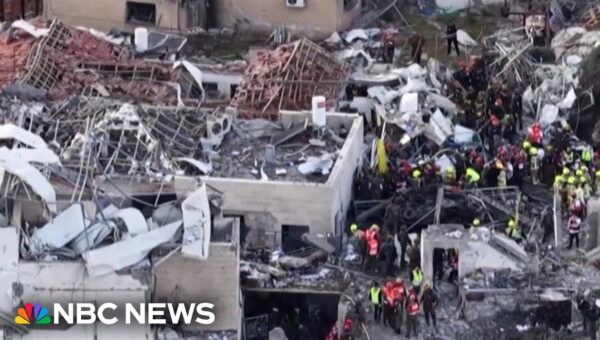
Missile Strike Near Jerusalem Kills 9 in Bomb Shelter
A devastating missile strike outside Jerusalem has killed nine people, including children and the elderly, who were taking shelter in a Mamad (bomb shelter). The attack, attributed to Iran, bypassed air defenses and struck a synagogue's safe room, raising serious questions about the efficacy of Israel's civil defense measures.