Trump Ignores Fallen Soldiers, Flaunts Statues Amidst Crisis
In the wake of tragic soldier deaths and escalating Iran tensions, Donald Trump's alleged focus on statues over fallen heroes draws sharp criticism. The incident highlights concerns over leadership, accountability, and the manipulation of information in times of crisis.

Trump’s Troubling Silence on Soldier Deaths Sparks Outrage
In the wake of a tragic incident resulting in the deaths of three U.S. service members and escalating tensions with Iran, the response from former President Donald Trump and his allies has drawn sharp criticism. Rather than addressing the fallen soldiers and the ongoing conflict, Trump’s focus has reportedly shifted to touting his administration’s past achievements, a move many are decrying as callous and out of touch.
A Nation Grieves, a Leader Distracts
The somber news of the U.S. service members’ deaths, killed in action amidst retaliatory strikes from Iran, has cast a dark shadow. Iran’s actions are described as a deliberate attempt to inflict maximum damage and deter further U.S. strikes, with their leadership stating a perceived weakness in past U.S. responses fueled this escalation. The situation is dire, with the potential for more casualties looming, a prospect that the transcript suggests Trump himself acknowledged with a chillingly detached phrase: “And sadly, there will likely be more before it ends. That’s the way it is.”
Echoes of Callousness: Supporters and the President
The reaction from some Trump supporters has been labeled as shockingly callous. Ambassador Mike Waltz’s quote tweet, “Freedom is never free,” in response to the deaths, has been characterized as jingoistic deflection, especially given the vocal criticism of similar events from the same political circles during the Obama administration. This sentiment is echoed in the critique of Trump’s UN ambassador, who is accused of waving away the deaths with platitudes. The transcript highlights a sentiment of being “soulless ghouls” for such a dismissive approach to the loss of American lives.
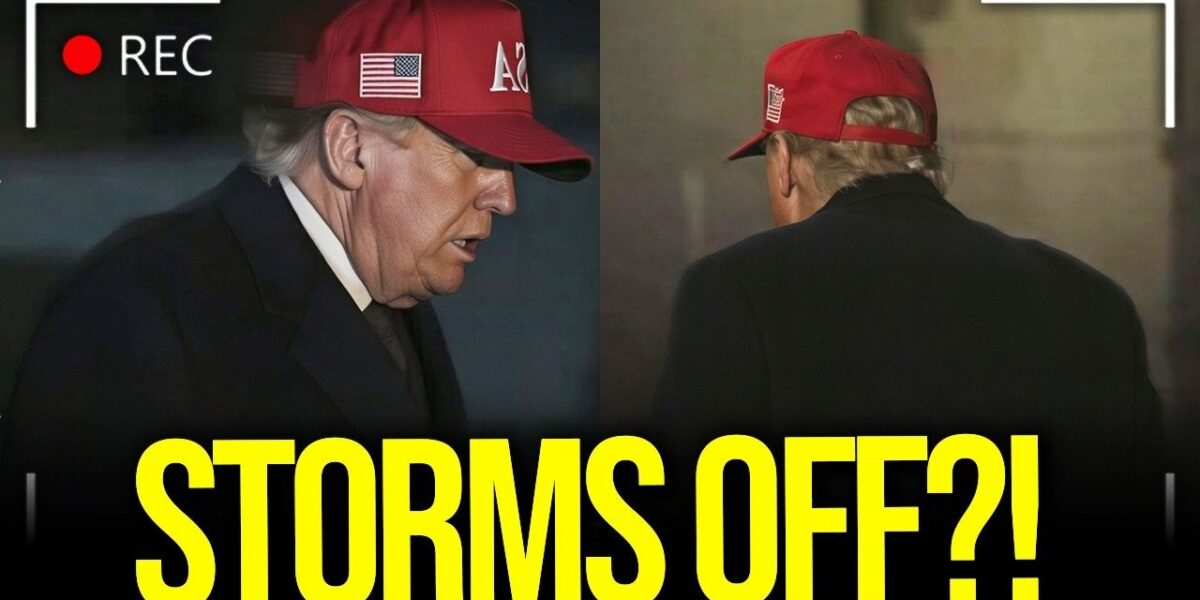
Further exacerbating the controversy is Donald Trump’s own response when directly questioned about the situation in Iran and his plans. Instead of addressing the tragic loss of life, reports indicate he pivoted to bragging about new statues and the Rose Garden, seemingly evading the gravity of the moment. When pressed for a message to the families of the fallen service members, he is described as walking away, leaving reporters and the public bewildered by his silence on such a critical issue.
Internal Discord and Shifting Narratives
The narrative surrounding the conflict is further complicated by internal disagreements and attempts to control the public discourse. Figures like Marjorie Taylor Greene have publicly clashed with others, such as Laura Loomer, over their reactions to the fallen soldiers. Greene accused Loomer of “celebrating the death of American military members and thanking their families for their blood sacrifice,” highlighting a stark division even within the broader conservative movement regarding the appropriate response to such tragedies.
The transcript also points to a strategic effort to “flood the zone” with information and narratives, making it difficult for the public to discern the truth. This tactic is described as overwhelming people with chaos and stories, a strategy attributed to one of Trump’s top strategists. The aim, it is suggested, is to obscure the facts and distract from potentially problematic aspects of the administration’s actions.
The Semantics of War: A Distraction Tactic?
During a segment on MSNBC, Congresswoman Anna Paulina Luna is depicted as being grilled on the administration’s actions in Iran. When questioned about the intention behind military actions, she reportedly engaged in a debate over the definition of “war” versus “strategic strikes,” arguing that the latter does not require congressional authorization. Critics argue this is a deliberate attempt to derail the conversation from the core issue: the deaths of U.S. service members and the justification for the military engagement.
The transcript posits that this semantic debate is a common tactic, allowing conservatives to avoid defending the loss of life by focusing on the technicalities of terminology. The argument is made that regardless of the label, three service members are dead, and more are likely to perish. The narrative of “imminent threat” used to justify the operation is also being questioned, with CNN senior reporters suggesting there was no indication of Iran preparing to preemptively strike U.S. bases.
Historical Context and Future Outlook
The situation echoes past instances where the justification for military action has been debated and scrutinized. The transcript draws a parallel to the lead-up to the Iraq War, suggesting a pattern of using perceived threats to garner support for military engagement. The piece also references a 2012 tweet from Donald Trump himself, criticizing President Obama for potentially launching a strike in Libya or Iran due to falling poll numbers, implying a historical precedent for questioning the motives behind foreign policy decisions.
The implications of this approach are significant. The lack of clear communication, the deflection from accountability, and the potential for escalating conflict all pose risks to national security and international stability. The future outlook suggests a continued need for transparency, accountability, and a clear articulation of national interest when committing U.S. service members to harm’s way. The reliance on “flooding the zone” tactics and semantic arguments may serve as a short-term distraction, but the underlying issues of justification and consequence remain.
Why This Matters
The handling of the recent deaths of U.S. service members and the ensuing diplomatic and military tensions with Iran is a critical juncture that demands scrutiny. The alleged indifference displayed by former President Trump and some of his allies towards the loss of life, contrasted with their focus on past achievements and semantic debates, raises profound questions about leadership, accountability, and the value placed on human life. It underscores the importance of a commander-in-chief’s responsibility to not only lead but also to communicate with empathy and transparency, especially in times of conflict and loss.
Furthermore, the strategic use of information to shape public perception and deflect criticism is a trend that warrants close observation. The ability of citizens to access unbiased news and understand the nuances of complex geopolitical events is paramount to informed public discourse and democratic accountability. The situation highlights the ongoing challenge of navigating a media landscape increasingly influenced by partisan narratives and the deliberate creation of informational chaos.
The long-term consequences of such actions and rhetoric can erode public trust, inflame international relations, and potentially lead to further, avoidable conflicts. The transcript’s critique suggests that while the immediate focus may be on political maneuvering, the ultimate cost is borne by the service members and their families, as well as the broader geopolitical stability.
Source: Trump RUNS AWAY from his OWN CATASTROPHE! (YouTube)

Related Articles
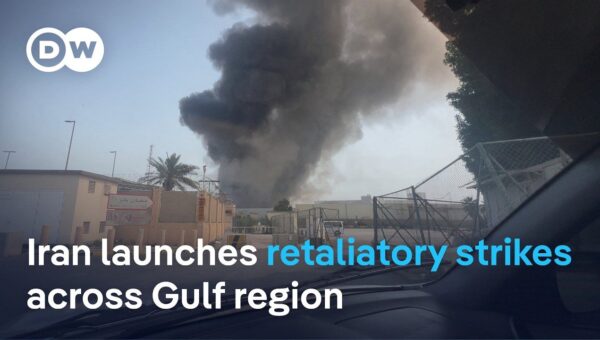
Iran Strikes Neighbors: Gulf Relations Suffer Amid Retaliation
Iran's retaliatory strikes have reverberated across the Gulf, damaging relations with neighboring countries and impacting civilian infrastructure. Experts warn that these actions jeopardize fragile diplomatic progress and violate the sovereignty of U.S. allies in the region.
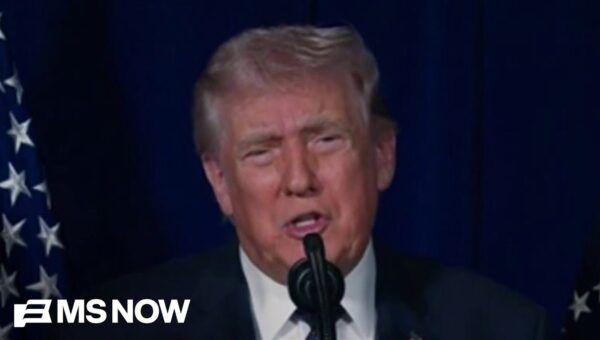
Trump Addresses Iranians Amid Escalating Regional Conflict
President Trump addressed the citizens of Iran directly amidst escalating conflict, urging them to seize the moment for freedom following the death of Supreme Leader Ayatollah Ali Khamenei. The move comes as the region grapples with intense airstrikes, retaliatory attacks, and the first U.S. casualties of the ongoing military campaign.

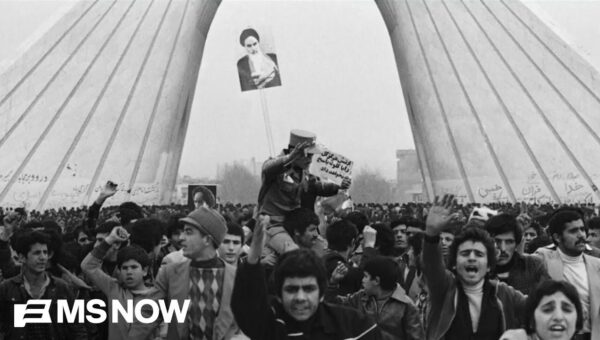
US Policy Towards Iran: A Cycle of Intervention and Conflict
The U.S. finds itself in a recurring cycle of intervention and confrontation with Iran, marked by historical coups, shifting diplomatic strategies, and recent military actions. As Iran navigates a new leadership transition following the Supreme Leader's death, the rise of hardline clerics and the increasing autonomy of the Revolutionary Guard present complex challenges for both regional stability and U.S. foreign policy.