Trump Ignored Iran War Warnings, Aides Feared Retaliation
President Trump allegedly ignored repeated warnings from his own intelligence agencies regarding the dangers of escalating conflict with Iran. Reports suggest his administration was unprepared for predictable responses like the closure of the Strait of Hormuz and significant depletion of munitions. Many within the White House reportedly suppressed their concerns for fear of repercussions.

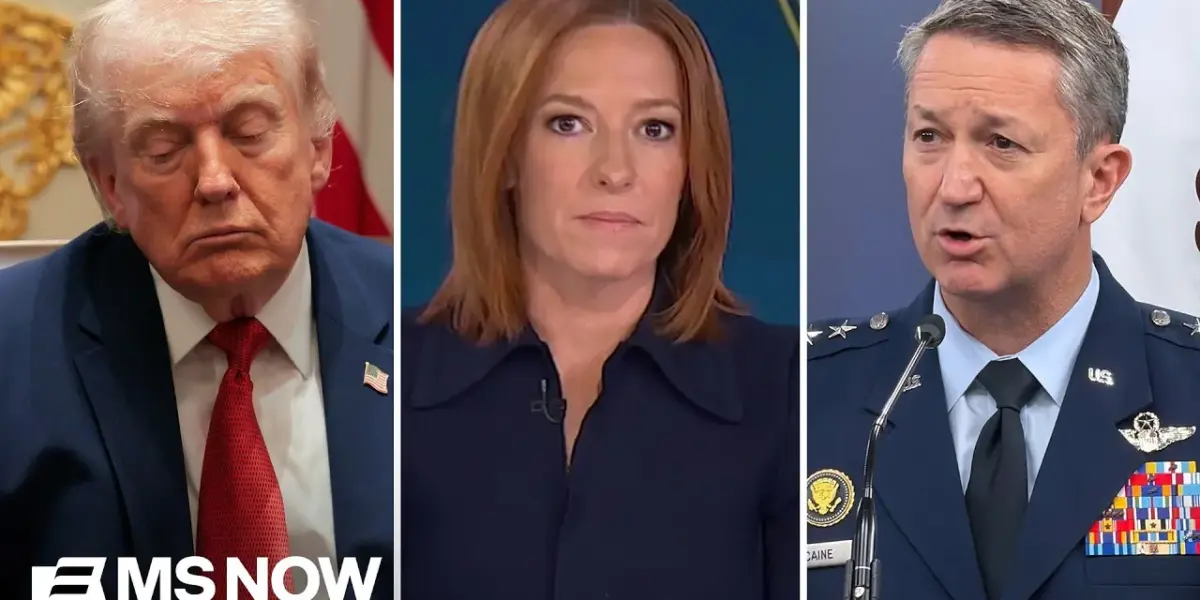
President Trump Received Repeated Warnings on Iran Conflict
Reports indicate that President Trump was repeatedly warned by his own government agencies about the potential consequences of escalating conflict with Iran. Despite these warnings, the administration reportedly took actions that contradicted expert advice, including significant job cuts at the nation’s top cybersecurity agency.
Cybersecurity Threats and Agency Cuts
For years, U.S. intelligence agencies foresaw Iran’s potential for cyberattacks as a retaliatory measure. Following a U.S. strike on Iran last June, agencies like the Department of Homeland Security, CISA, the NSA, the Department of Defense, and the FBI issued repeated warnings to President Trump about the heightened risk of Iranian cyber warfare. Despite these clear alerts about a significant threat, the Trump administration proceeded to cut over 1,000 jobs at CISA, the country’s leading cybersecurity agency. Ironically, less than a year later, and after initiating hostilities with Iran, the administration announced plans to hire 300 new personnel for CISA, a move the report suggests highlights a lack of foresight.
Predictable Responses, Unprepared Administration
As the conflict with Iran approached its one-month mark, the predictable nature of Iran’s responses stood in contrast to the Trump administration’s apparent lack of preparedness. Key warnings were reportedly given to President Trump by the Chairman of the Joint Chiefs of Staff, General Dan Cain, before the U.S. initiated military action.
Strait of Hormuz Closure
The Wall Street Journal reported that General Cain informed President Trump that an American attack could lead Iran to close the Strait of Hormuz. President Trump reportedly believed Iran would yield before taking such a drastic step. He also expressed confidence that the U.S. military could handle any Iranian actions. However, the Strait has now been closed for nearly a month, disrupting global trade. This closure impacts the supply of crucial goods, including oil, fertilizer, and components for computer chips and prescription drugs.
Depleted Munitions Stockpiles
General Cain also reportedly warned President Trump about potential shortfalls in critical munitions. He cautioned that targeting Iran effectively would require so many military strikes that it could deplete already low stockpiles. Recent reports from The Washington Post confirm this concern. The U.S. has fired over 850 Tomahawk cruise missiles in the conflict, a rate that has alarmed some Pentagon officials. Each Tomahawk missile costs up to $3.6 million and can take two years to build. The expenditure of more than 850 missiles in just four weeks has raised serious questions about military readiness.
Lack of Allied Support
Another significant warning from General Cain concerned the risk associated with a lack of support from U.S. allies. He advised that this could pose considerable risks to operations and American personnel. Last week, President Trump requested allied assistance in guarding ships transiting the Strait of Hormuz. However, most allies declined, reportedly leaving President Trump furious. Republican Senator Lindsey Graham described it as the angriest he had ever heard the President. To save face, President Trump then claimed the U.S. did not need help, a statement contradicted by subsequent diplomatic efforts. Secretary of State Marco Rubio was seen in France attempting to persuade allies, who had not sent warships, to join the effort.
Internal Disagreement and Fear
The report highlights that many within the White House may have harbored reservations about the war with Iran but remained silent. Current and former White House officials spoke anonymously to M.S.N.B.C.’s Jake Traylor, revealing internal disagreements about the administration’s approach. These officials admitted to sharing their concerns with the press but not within the White House itself, fearing negative consequences. One former official stated that many people were afraid of being sidelined and therefore chose to conform. This atmosphere, described as a dangerous situation, meant that dissenting opinions were suppressed, even when dealing with critical decisions like engaging in a war.
“So many people are afraid of being on the outs that they are just drinking the Kool-Aid and going along with it.”
Former White House Official
Presidential Boredom Amidst Conflict
Adding to the concerning internal dynamics, a current senior White House official told M.S.N.B.C. that President Trump was becoming “a little bored with Iran.” The official clarified that this did not mean regret, but rather a desire to move on from the issue. This sentiment is particularly striking given the human cost of the conflict. Human rights groups estimate that nearly 1,500 civilians have been killed in Iran, with 13 U.S. service members losing their lives and over 300 injured. Recent reports also indicate that 10 U.S. service members were wounded in an attack on a Saudi airbase, with two suffering serious injuries.
Looking Ahead
The revelations raise critical questions about the decision-making process within the White House regarding foreign policy and military engagement. As the situation in Iran continues to develop, the public will be watching to see if these internal dynamics change and if the administration’s approach to the conflict evolves. The long-term consequences of these actions, both domestically and internationally, remain to be seen.
Source: 'Trump was warned': Reports contradict Trump's claims of surprise by challenges in Iran (YouTube)

Related Articles


Strait of Hormuz Blockade: Insurance Costs Soar, Ships Stuck
The Strait of Hormuz remains largely blocked despite Iran's claims of openness, with soaring insurance costs acting as a major deterrent for ships. Skyrocketing premiums, from less than 1% to potentially 7.5% of a vessel's value, make transit financially unviable for many. This situation impacts global oil prices and the broader economy, highlighting the complex interplay of geopolitical tensions, insurance markets, and international trade.

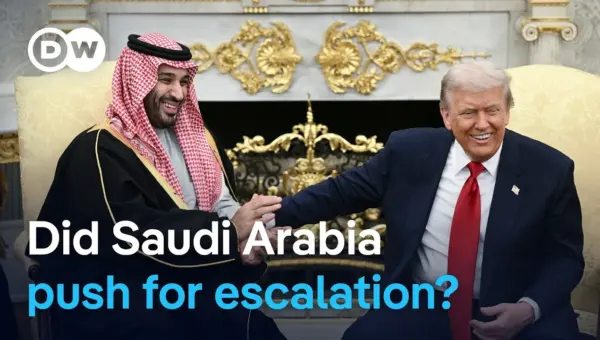
Saudi Arabia Pushes US for Iran War, Report Claims
Saudi Arabia's Crown Prince Mohammed bin Salman has reportedly urged the US to escalate military action against Iran, viewing it as an opportunity to reshape the Middle East. While Saudi officials deny the report, the push comes amid increased Iranian attacks on Saudi oil infrastructure. Experts suggest a complex dynamic where Saudi Arabia seeks US intervention while also managing the risks of regional instability.
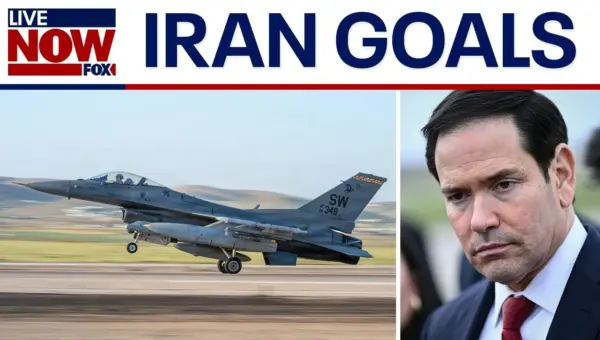
Rubio: US Can Achieve Iran War Goals Without Troops
Senator Marco Rubio outlined a strategy to counter Iran without deploying U.S. ground troops, focusing on weakening the regime and enhancing maritime security. He also criticized Cuba's economic system and expressed concerns about West Bank violence.