Trump Ignites Mideast Inferno: War Spreads Amidst Shifting Goals
The Middle East is engulfed in a deepening crisis following the US invasion of Iran, marked by rising casualties and unpredictable leadership. President Trump's contradictory statements and escalating rhetoric suggest a conflict with unclear objectives and a widening regional scope.

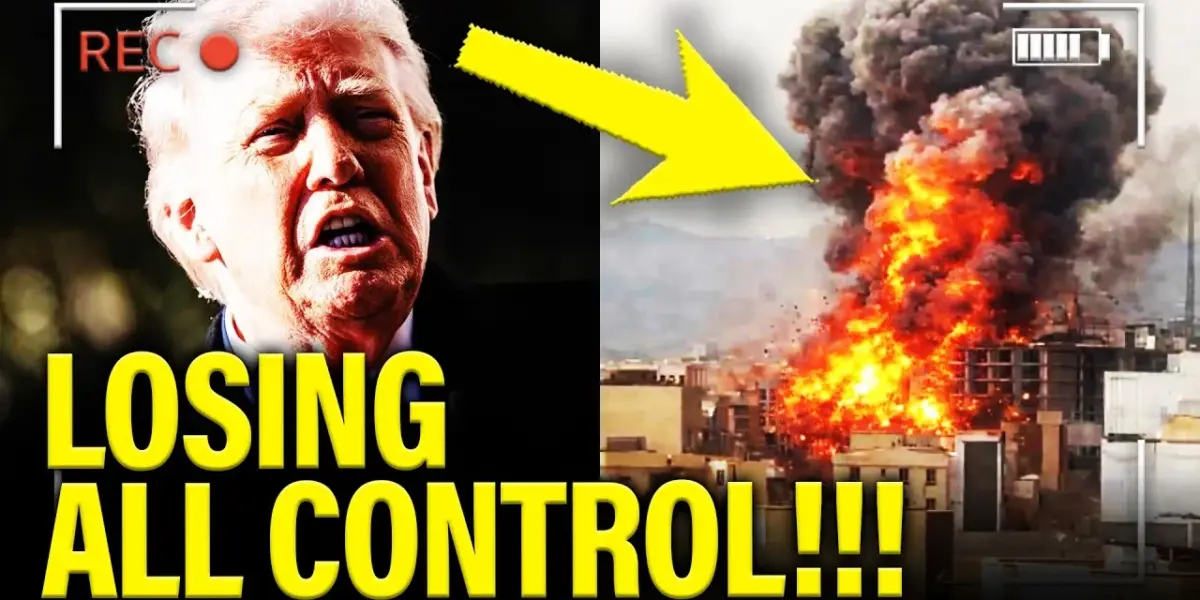
Trump Ignites Mideast Inferno: War Spreads Amidst Shifting Goals
The Middle East finds itself in a rapidly escalating crisis, with the recent US invasion of Iran marking a devastating turn of events. The human cost is mounting, with four US service members confirmed dead and eighteen others seriously wounded. This grim toll underscores the gravity of the conflict, which appears to be spreading, drawing in regional actors and signaling a prolonged period of instability.
A Conflicted Presidential Stance
Amidst the unfolding violence, the pronouncements from President Donald Trump have been notably erratic and contradictory. In a statement to the New York Post, Trump declared, “I don’t have the yips with respect to the boots on the ground.” This statement, a departure from the typical presidential assurance of “no boots on the ground,” suggests a willingness to deploy ground forces if deemed necessary. He further elaborated, “I don’t say it. I say probably don’t need them or if they were necessary. I don’t have the yips.” This ambiguous stance, coupled with his assertion that “we are going to be escalating this even more soon. It’s going to get even less safe. We haven’t even hit them referring to Iran hard yet,” paints a picture of an administration embracing escalation rather than de-escalation.
Trump’s rhetoric has been characterized by a dismissal of concerns about troop deployment, stating, “Other presidents, they’re afraid of putting boots on the ground. I’m not afraid of putting boots on the ground. I’m going to do whatever it is that I’m uh going to do.” This approach seems to contrast with traditional presidential caution, potentially fueled by a desire to project strength and decisiveness. His public communication has also involved direct calls to journalists, such as CNN’s Jake Tapper, where he reiterated that “the big wave is yet to come,” further signaling an intent to intensify military operations.
The Battlefield and Its Expanding Peripheries
The conflict is not confined to conventional military exchanges. A significant friendly fire incident involving three US Air Force F-15s, mistakenly shot down by Kuwaiti air defenses, highlights the chaotic and dangerous operational environment. While the pilots ejected safely, the incident underscores the potential for miscalculation and unintended consequences in a war zone. Furthermore, US Central Command (CENTCOM) has reported that Iranian forces struck a US-flagged tanker, the Stenna Imperative, in the port of Bahrain, setting it ablaze. All US military bases are reportedly under “threat condition Bravo,” indicating a heightened state of alert due to potential terrorist activity.
Satellite imagery analyzed by The New York Times reveals extensive damage to the US Naval Support Activity Base in Bahrain, the headquarters of the US Navy’s Fifth Fleet, a stark visual representation of the conflict’s reach.
Iran’s Resolve and Regional Alliances
Iran, for its part, has signaled a readiness for a protracted conflict. A senior Iranian national security official stated, “Iran unlike the United States has prepared itself for a long war.” The official further asserted, “Iran did not start this war, and our braved armed forces have not engaged in any tax except in defense, we will fiercely defend ourselves and our 6,000-year-old civilization regardless of the costs and will make the enemies sorry for their miscalculations.” This defiant stance suggests that Iran does not intend to yield easily, framing the conflict as a defensive struggle.
Adding a layer of geopolitical complexity, Russia has expressed its solidarity with Iran, with the Kremlin stating it is in “continuous contact with Iran’s leadership over what Moscow calls outright aggression against Thrron and has expressed deep disappointment in how events unfolded.” This alignment, along with China’s perceived support, suggests a potential widening of the conflict into a larger geopolitical struggle, with the US finding itself increasingly isolated.
A Defense Department Under Scrutiny
The press conference held by US Defense Secretary Pete Hegsith and Chairman of the Joint Chiefs Dan Kaine was met with criticism for its perceived lack of strategic clarity and its reliance on rhetoric rather than concrete plans. When pressed on the potential duration of the war, Hegsith deflected, labeling questions about timelines as “typical NBC gotcha questions” and emphasizing President Trump’s “latitude” in decision-making. He also made a controversial statement about the conflict not being a “regime change war, but the regime sure did change, and the world is better off for it,” suggesting a de facto outcome of regime alteration.
The defense leadership’s focus on prayer as a response to the dangers faced by US service members also drew criticism. When asked about their prayers for troops in harm’s way, Secretary Hegsith responded by emphasizing “biblical wisdom to see what is right and the courage to do it,” a response that some interpreted as a deflection from providing a clear military strategy. Chairman Kaine, however, offered a more somber assessment, stating, “We expect to take additional losses and as always we will work to minimize US losses but as the secretary said this is major combat operations.” He also declared that “rules of engagement are stupid,” advocating for “maximum authorities” and a focus on winning without “nation building quagmire” or “politically correct wars.”
Shifting Objectives and Unclear Outcomes
The stated objectives of the military campaign appear to be in flux. Initially, there were suggestions of a push for “freedom for the people of Iran,” signaling a desire for regime change. However, the Pentagon later clarified that the campaign was “not about that at all.” This inconsistency has led to speculation that President Trump is attempting to find a narrative that allows for a swift resolution, with reports suggesting he is “calling up every journalist in his phone to workshop different timelines and goals for his war.” Various outlets have reported different potential end-times, from a few days to several weeks, indicating a lack of a cohesive and publicly articulated strategy.
The historical context of US involvement in the Middle East, particularly the long and complex history with Iran since the 1979 revolution, adds another layer of difficulty. The notion of finding an internal figure to support, akin to the approach in Venezuela, has been floated, but the effectiveness and implications of such a strategy remain highly uncertain.
Why This Matters
The escalating conflict in the Middle East, under the leadership of President Trump, presents a critical juncture for regional and global stability. The rising casualty count, the unpredictable rhetoric from the White House, and the potential for a wider regional conflagration are deeply concerning. The lack of clear objectives and the shifting narratives surrounding the war raise serious questions about the long-term strategy and the potential consequences for all parties involved.
Implications, Trends, and Future Outlook
The current trajectory suggests a prolonged and potentially expanding conflict. The alignment of Russia and China with Iran could signal a broader geopolitical realignment, challenging US influence in the region. The precedent set by Trump’s approach—embracing escalation and ambiguous objectives—could have lasting implications for how future conflicts are initiated and managed. The decision by Spain to bar US bases from striking Iran and France’s significant increase in its nuclear arsenal further illustrate the growing international apprehension and divergence from US policy.
The future outlook is fraught with uncertainty. Without a clear and consistent strategy, the risk of mission creep, unintended escalation, and prolonged engagement increases. The potential for declaring victory and withdrawing, leaving behind an unstable region, is a significant concern. As the war engulfs the region, drawing in more actors, the global implications are profound, impacting international relations, global markets, and the security of countless nations.
Source: Trump LOSES CONTROL as WAR SPREADS!!! (YouTube)

Related Articles
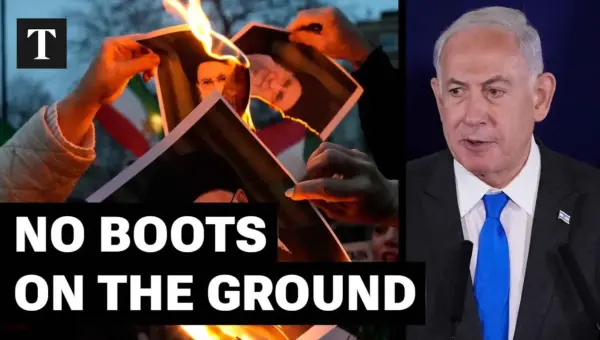
Ex-IDF Officer: Air Strikes Target Iran’s Military Backbone
A former IDF Colonel emphasizes that foreign boots on the ground won't change Iran's regime, but air strikes are crucial for dismantling its military capabilities. The ongoing conflict sees escalating attacks and a broad consensus in Israel supporting defensive measures.

Germany’s China Gamble: A Self-Inflicted Economic Catastrophe?
Germany's deep economic ties with China are increasingly viewed as a critical vulnerability. Despite recognizing China as a "systemic rival," the country's actions suggest a continued, potentially self-destructive, reliance on the Chinese market and supply chains, leading to job losses and a widening trade deficit.


Trump’s Drapes Distract from Deadly Iran Conflict
Presidential priorities appear to be dangerously skewed, with a focus on trivial matters like drapes overshadowing the deadly consequences of military actions in Iran. This analysis delves into the perceived chaos and lack of accountability in recent foreign policy decisions.