Trump Honors Elvis at Graceland, Praises King’s Legacy
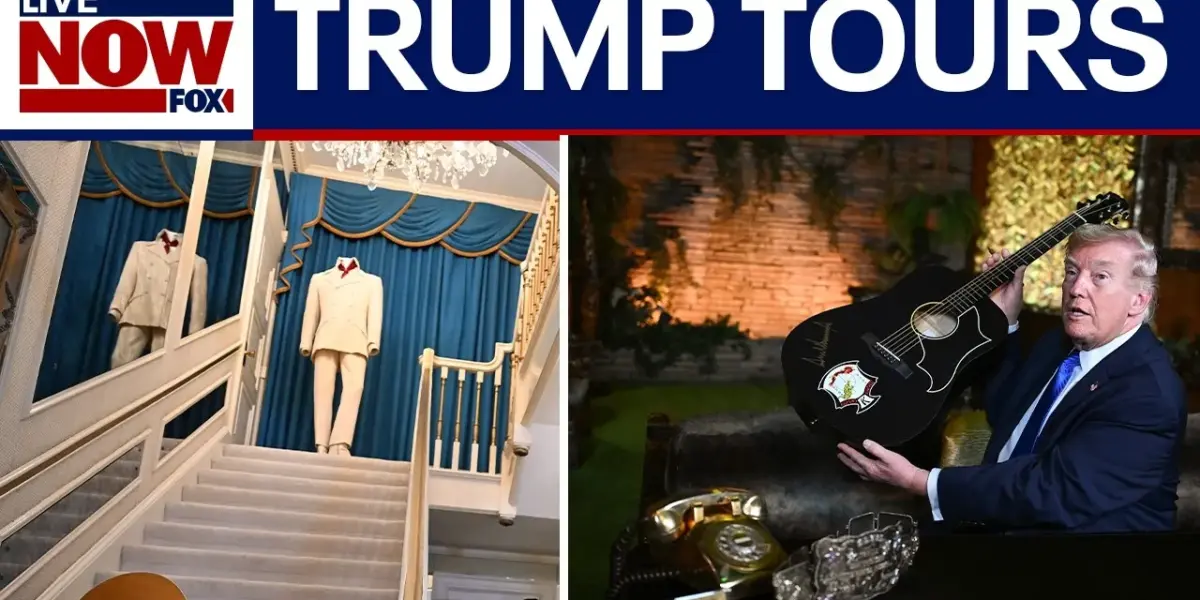
Former President Donald Trump visited Elvis Presley's Graceland home, reflecting on the King of Rock and Roll's lasting impact on America. Trump praised Elvis for inspiring people and noted his continued relevance today, as evidenced by the success of his estate and recent biopic. The visit included a tour of Graceland's artifacts, highlighting Elvis's personal life, his connection to law enforcement, and his cultural significance.

Trump Visits Graceland, Reflects on Elvis’s Impact
Former President Donald Trump visited Elvis Presley’s Graceland home in Memphis, Tennessee, marking his first visit to the iconic estate. During his tour, Trump spoke extensively about Elvis’s enduring legacy, his connection with the American people, and the singer’s lasting cultural impact. The visit, which included a tour of the mansion and its artifacts, highlighted Trump’s admiration for the King of Rock and Roll and his belief in Elvis’s role in shaping American culture.
Elvis: A Symbol of American Dream
Trump emphasized how Elvis made Americans feel that they, too, could achieve great things. “He gave people reason to feel that they deserve something regardless of where they came from, regardless who their parents were,” Trump stated. He added that Elvis instilled a belief in people that they could achieve their dreams. The former president noted that Elvis’s music and image remain incredibly relevant today, with the estate earning more money now than during Elvis’s lifetime, even after adjusting for inflation. He pointed to the success of the recent Baz Luhrmann biopic, “Elvis,” which broke records, as proof of the singer’s continued popularity.
A Deep Dive into Graceland’s Treasures
During the tour, Trump was shown various artifacts from Elvis’s life. These included a portrait of Elvis from his time in basic training, revealing his natural blonde hair and blue eyes. The singer later dyed his hair black for his first movie, “Love Me Tender.” A 1956 Gibson J200 guitar, used in films like “Jailhouse Rock” and later in Las Vegas, was also on display. A particularly poignant item was the outfit Elvis wore during his 1968 comeback special for the song “If I Can Dream.” This song, written after the assassinations of Martin Luther King Jr. and Robert F. Kennedy, was Elvis’s statement on how America could heal and unite.
The tour also showcased Elvis’s personal life within Graceland. The furnishings throughout the house are original, preserving the atmosphere of Elvis’s era. Trump marveled at the chandelier, which had to be disassembled to fit through the doors. The master bedroom, designed to resemble a room in Hawaii, featured a unique 1970s trend: carpet on the ceiling, which helped with acoustics. This room was also used by Elvis for recording, including songs like “Hurt” and “Unchained Melody.” Other personal items included Elvis’s novelty gold metal Social Security card, a gold-plated bedside phone, and the elaborate belt buckle he received for breaking attendance records in Las Vegas, which he famously wore when meeting President Nixon.
Elvis’s Connection to Law Enforcement and Personal Life
The conversation touched upon Elvis’s strong connection with law enforcement. Trump mentioned that Elvis donated significant amounts of money to police departments and even sought a badge from the Shelby County sheriff, humorously threatening to run against him if he didn’t receive one. Graceland itself was described as the fulfillment of a childhood promise Elvis made to his parents to buy them a large home. His deep love for his mother was highlighted, with the passing of his mother being a particularly difficult time for him. The estate is seen as a symbol of the best of America, attracting millions of international visitors annually.
Trump on Media and Elvis’s Enduring Appeal
Addressing the media presence at Graceland, Trump drew a parallel between how he and Elvis are sometimes treated by the press. “You have all the fake news media here,” he commented, questioning if Elvis received better treatment. He suggested that both he and Elvis faced some “fake news” during their public lives. Trump also mused on the idea that people are sometimes afraid of brilliance, leading them to lash out. He praised Elvis’s talent, stating, “He was special.”
Karate, Bruce Lee, and Future Pilgrimages
The tour delved into Elvis’s lesser-known interests, including his passion for karate. He held two eighth-degree black belts and was considered very skilled, even practicing with figures like Bruce Lee. Trump humorously wondered if he could have taken Elvis in a fight, to which the guide suggested Elvis would have been respectful enough to let him win. The guide noted that Elvis and Bruce Lee were instrumental in popularizing karate in the West. Trump then posed a question about whether people might one day make pilgrimages to Mar-a-Lago, similar to those made to Graceland, though he deferred on a definitive answer.
Conclusion: Elvis’s Unique Place in American Culture
Trump concluded his visit by expressing his lifelong awareness of Graceland and Elvis’s unique place in culture. He described Elvis as a “good person with a complicated life” and “the most famous person on the planet.” He reiterated that despite having opportunities to live anywhere, Elvis chose to remain at Graceland, underscoring his deep connection to his home and country. The visit served as a testament to Elvis’s enduring legacy and his significant role in the American cultural landscape.
Source: Trump visits Elvis's Graceland home in Memphis, TN (YouTube)

Related Articles
Trump’s Name Everywhere: A ‘Stain’ on GOP Legacy?
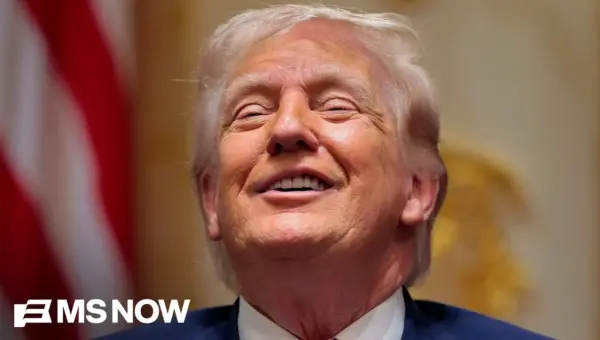
Former President Donald Trump's efforts to brand national symbols, including a proposed signature on dollar bills, spark debate. Critics view this as an authoritarian attempt to embed his legacy, potentially staining the Republican Party's history and contrasting with democratic ideals of public ownership.

Trump’s War Talk Stuns Financial Crowd
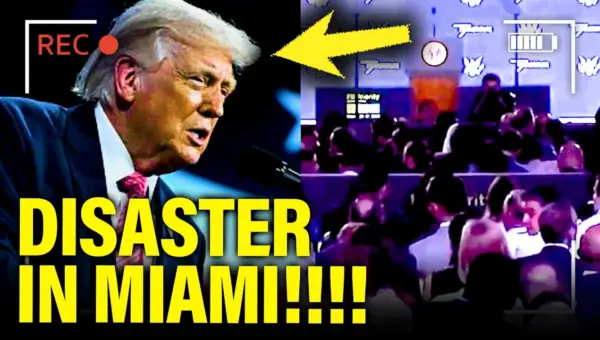
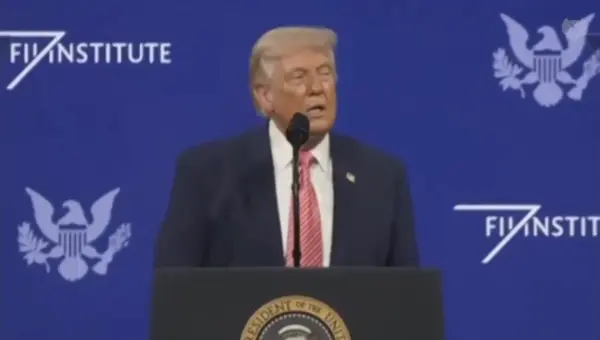
Donald Trump's recent speech in Miami focused on his foreign policy, particularly his critical views on NATO and his vision for international relations. He declared the U.S. would no longer defend NATO allies, questioned the value of existing alliances, and suggested renaming the Strait of Hormuz. The speech also touched on his personal views of success, his allies, and his perceived role as a global peacemaker.
Trump’s Warpath: New Threats Signal Imperial Ambitions
Recent statements from Donald Trump reveal a potential embrace of increased military action and interventionist foreign policy. This approach, characterized by critics as "imperialism 2.0," contrasts with his past promises of peace and has even drawn criticism from parts of his own base. The implications for U.S. global engagement and domestic priorities are significant.