Trump Hints at ‘Taking’ Cuba Amid Blackouts, Exile Debate
Cuba is grappling with its third nationwide blackout this month, affecting 10 million people. Amidst the crisis, President Trump has escalated hints of U.S. intervention, suggesting a potential "taking" of the island. Journalist Paola Ramos warns of a "Venezuelan playbook" scenario, where leadership might change but the core regime could persist, complicating long-held hopes for democratic change among Cuban exiles.


Cuba Faces Blackouts, Trump Hints at Intervention
Cuba is currently experiencing widespread blackouts, with 10 million people left without power after the nation’s grid collapsed Saturday evening. This marks the third such outage this month, highlighting the country’s struggle with aging infrastructure and U.S.-imposed oil restrictions. Amidst this crisis, President Trump has intensified his rhetoric about imminent change for Cuba, suggesting the United States might be considering significant action regarding the island nation.
Trump’s Veiled Threats and Exile Hopes
In a recent phone call with MSNBC’s Stephanie Ruhle, President Trump stated, “you just watch. It’s going to be Cuba’s seen better days.” This follows earlier remarks where he warned that Cuba could “see the end” and that the U.S. may be “taking the island nation.” These statements have stirred complex emotions among Cuban exiles, many of whom have long hoped for the downfall of the current regime.
Journalist Paola Ramos on Potential ‘Venezuelan Playbook’
Journalist Paola Ramos, an MSNBC contributor whose grandfather was a political prisoner in Cuba, offered insights into what such intervention might look like. She noted that the change exiles have long romanticized—political change, free and fair elections, and demilitarization—may not be what unfolds. Instead, Ramos suggested a scenario that resembles a “Venezuelan playbook.”
“What seems like is going to happen is some type of Venezuelan playbook, right? Where essentially the Trump administration will oust most likely Miguel Diaz-Canel, who’s the current president, and perhaps what the reporting seems to indicate is that the Castro regime, now the essence of the regime, which is still Raul Castro… that he would still be the de facto leader.”
This potential outcome means that while the current president might be removed, the core of the existing power structure, possibly under Raul Castro, could remain. Ramos emphasized that this is a difficult reality for many to accept, both on the island and abroad. The anticipated change may not align with decades of hopeful speculation.
Cuban Exiles Grapple with Complex Scenarios
Cuban exiles in places like Miami are caught between long-held desires for regime change and a realistic understanding of past U.S. interventions. While many have waited for decades for a shift in Cuba, historical examples show that such interventions don’t always benefit the country undergoing the change. The possibility of U.S. “taking” Cuba also raises concerns about potential immigration surges, with many individuals potentially seeking refuge in the United States.
Ramos highlighted the difficult choices facing Cubans: “do we have a better chance at change right under the current totalitarian caste regime which is weekend right or is there suddenly some type of better alternative and pathway to change under a type of new trumpist neo-colonialist approach?” These are described as “two completely impossible scenarios.”
Divisions Within the Exile Community
The Cuban exile community is not a unified bloc on this issue. While some, including members of Congress, advocate for intervention, others are hesitant. Historically, a majority of Cuban exiles opposed President Obama’s 2014 approach of engaging with the Cuban regime through negotiations and market openings. This earlier policy, aimed at fostering gradual change, was met with strong resistance from hardliners.
Now, many are contemplating whether change should be gradual or immediate. Senator Marco Rubio, whose parents are Cuban exiles, suggests that change might take a few years and be gradual. However, there’s a fear that Cuba could become like Vietnam or China—a single-party communist system with an open market and ongoing dialogue with the U.S. Rubio’s recent meeting with Vietnam’s foreign minister could represent a pragmatic approach to foreign relations.
Desperation and Long-Standing Crisis
On the island, Cubans are described as being desperate. They feel the impact of the U.S. embargo and the oil blockade. Simultaneously, they are aware that the current crisis has roots stretching back to the 1960s. The combination of immediate hardship and the long history of political and economic challenges creates a complex and urgent situation.
Looking Ahead
As Cuba faces ongoing power outages and President Trump continues to hint at intervention, the situation remains highly fluid. The coming weeks will be critical in determining the extent of U.S. involvement and the potential impact on Cuba’s political landscape and its people. The debate among Cuban exiles and the evolving U.S. policy will be key factors to watch.
Source: ‘Some type of Venezuelan playbook’: Trump drops more hints about “taking” Cuba (YouTube)

Related Articles
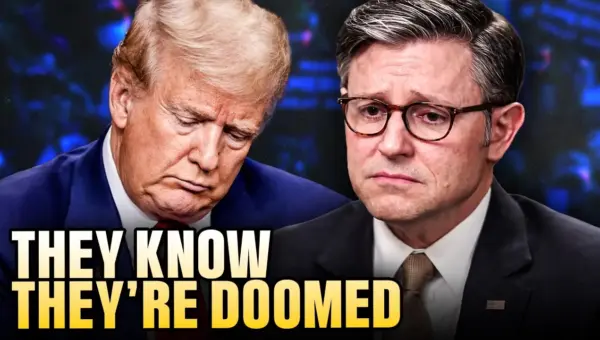
Polls Spell Doom: Republicans Face Voter Backlash
New polling data reveals a sharp decline in public confidence regarding the economic impact of Republican policies, particularly under Donald Trump. A significant majority now feel financially worse off, a trend that is especially pronounced among independent voters. This economic discontent poses a major challenge for the Republican party heading into future elections.
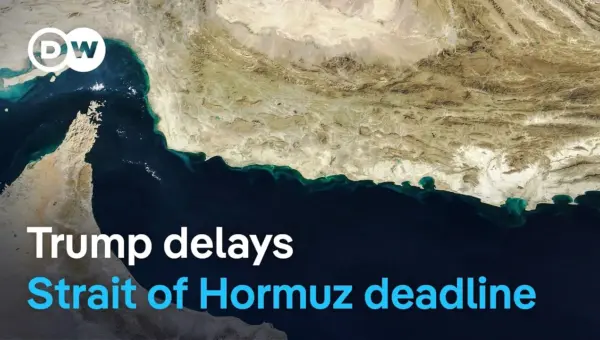
Trump Delays Iran Strike Deadline Amidst Shifting Diplomacy
President Donald Trump has extended his deadline for potential strikes on Iranian energy plants to April 6th, amid reports of U.S.-Iran diplomatic talks mediated by Pakistan. This move comes as Israel continues its strikes on Iran and the U.S. deploys additional military assets to the region. Analysts point to mixed signals, economic pressures, and strategic miscalculations as key factors shaping the evolving situation.
Iran War Claims Ring Hollow as US Troops Injured in New Attack
Days after Donald Trump claimed "we've won" the war with Iran, a new attack injured approximately a dozen U.S. troops and damaged aircraft. This incident contradicts Trump's assertions of victory and raises serious questions about the strategy and reality of the ongoing conflict.