Trump Hints at Regime Change in Iran, Cites ‘Dead’ Candidates
President Trump suggested that the U.S. has considered leadership changes in Iran, cryptically stating that "most of the people we had in mind are dead." The remarks were made during a press conference with German Chancellor Friedrich Merz amid heightened U.S.-Iran tensions.

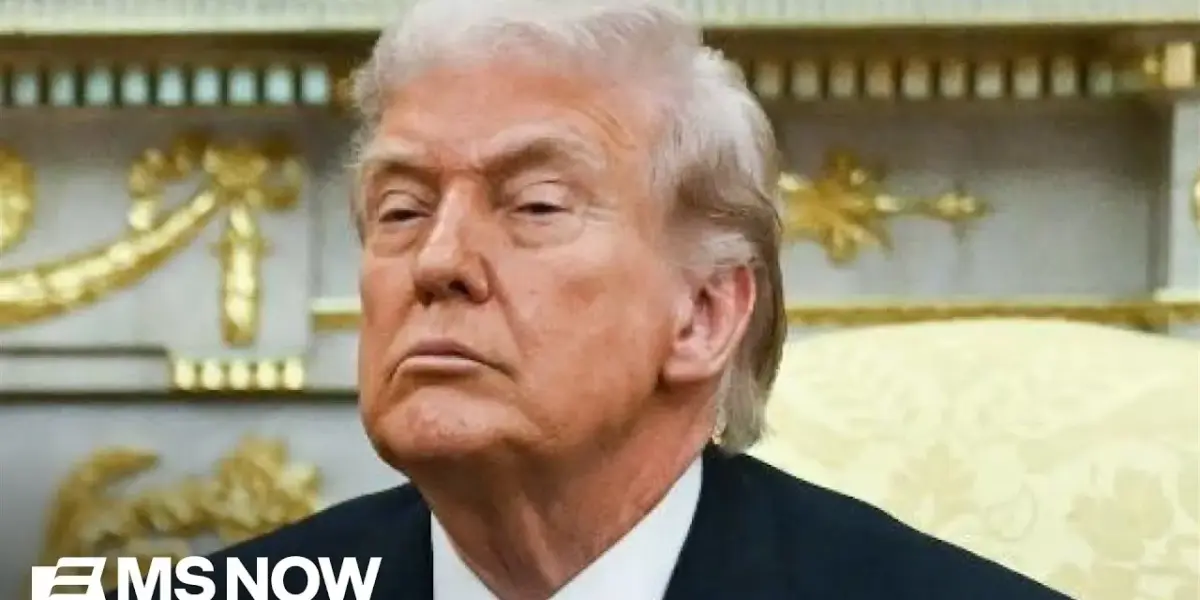
Trump Suggests Regime Change in Iran, Cites ‘Dead’ Candidates
Washington D.C. – President Donald Trump, during a press conference in the Oval Office alongside German Chancellor Friedrich Merz, made a striking statement regarding the ongoing tensions with Iran, suggesting that the United States has had internal discussions about leadership changes within the country. When pressed by reporters about who the U.S. might envision leading Iran in a post-conflict scenario, Trump cryptically responded, “Most of the people we had in mind are dead.” This remark, delivered during a meeting focused on broader international relations, has ignited speculation about the administration’s long-term strategy and potential objectives concerning the Islamic Republic.
Context of Rising Tensions
The President’s comments come at a time of heightened geopolitical friction between the United States and Iran. Recent escalations, including military actions and diplomatic standoffs, have placed the region on edge. The administration has consistently voiced concerns over Iran’s nuclear program, its regional influence, and its support for various militant groups. Trump’s latest statement, however, appears to go beyond diplomatic rhetoric and hints at a more direct engagement with the possibility of Iran’s internal political landscape undergoing a significant transformation.
Analysis from Experts
Max Boot, a Senior Fellow at the Council on Foreign Relations, offered his analysis on the implications of Trump’s remarks. While the transcript does not detail Boot’s specific comments, the presence of such an expert in discussions following the President’s statement underscores the gravity with which these pronouncements are being treated. Experts in international relations often analyze presidential rhetoric for underlying policy intentions. Trump’s statement, if taken literally, could suggest a deep-seated desire for a change in leadership within Iran, potentially through covert means or by supporting internal opposition movements. However, the practicalities and potential consequences of such a strategy are complex and fraught with risk.
Reporting from the Ground
MS NOW Reporter Ines de La Cuetara provided updates from Israel, a nation that closely monitors developments involving Iran due to its own security concerns. Simultaneously, MS NOW Reports’ Vaughn Hillyard was stationed at the White House, presumably capturing the atmosphere and any immediate reactions following the President’s remarks. The dual reporting highlights the immediate global interest and the varied perspectives on the unfolding situation, with implications felt acutely in a region directly impacted by U.S.-Iran relations.
Broader Implications and Historical Parallels
The idea of influencing or orchestrating regime change in foreign nations is not new to U.S. foreign policy. Historically, various administrations have engaged in covert operations, supported opposition groups, or utilized economic and diplomatic pressure to effect changes in leadership abroad. However, the effectiveness and ethical considerations of such interventions have long been debated. Trump’s particular phrasing – “Most of the people we had in mind are dead” – is unusual and could be interpreted in several ways. It might refer to historical figures who were once considered potential leaders but are no longer alive, or it could be a more abstract commentary on the current state of opposition within Iran, suggesting that viable alternatives are scarce or have been eliminated.
This statement also raises questions about the administration’s intelligence gathering and assessment of Iran’s internal political dynamics. If the pool of potential successors is perceived to be so limited, it could indicate a challenging path forward for any U.S. policy aimed at fostering internal change. Furthermore, such rhetoric could be interpreted by Iran as a direct threat, potentially leading to further escalation and entrenchment of the current regime, rather than encouraging internal dissent.
Future Outlook
President Trump’s remarks, while veiled, signal a potential willingness to consider more assertive actions regarding Iran’s leadership. The coming days and weeks will likely see continued analysis from foreign policy experts, diplomatic maneuvering, and reactions from both allies and adversaries. The international community will be watching closely to see if this statement is a mere rhetorical flourish or if it foreshadows a more concrete shift in U.S. policy towards Iran. The response from Tehran, as well as the reactions from key international players like Germany, will be crucial in determining the trajectory of this complex geopolitical situation.
Source: Trump on who he'd like to run Iran: 'Most of the people we had in mind are dead' (YouTube)

Related Articles

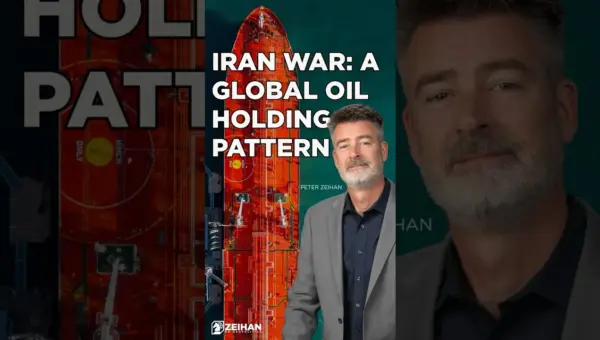
Iran Crisis Spikes Oil Prices, Threatens Global Energy Supply
Millions of barrels of crude oil are being held back daily from global markets, pushing prices up and threatening an energy crisis. The prolonged disruption highlights the world's continued dependence on fossil fuels and the geopolitical risks involved.
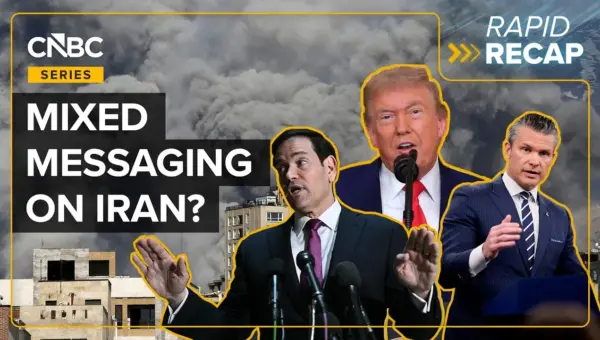
Iran Tensions Flare: US Vows “Annihilation” Amid Nuclear Fears
The Trump administration has adopted an aggressive tone towards Iran, vowing military action and highlighting concerns over the nation's nuclear ambitions. Officials cited "imminent threats" and Iran's development of missiles and drones as justifications for a preemptive stance.


Trump’s Visible Decay: A Nation’s Unanswered Health Questions
Donald Trump's recent public appearance, marked by a prominent neck lesion and persistent hand bruising, has sparked widespread speculation about his health. While the White House offers a vague explanation, the lack of transparency fuels concerns about underlying issues.