Trump Hints at More Strikes on Iran’s Oil Hub Amid Rising Tensions
Former President Trump has hinted at further strikes on Iran's vital Karg Island oil terminal, escalating regional tensions. This comes as Iran retaliates with missile attacks on Israel and the UAE, pushing global oil prices to a four-year high and sparking investor fears of market chaos.

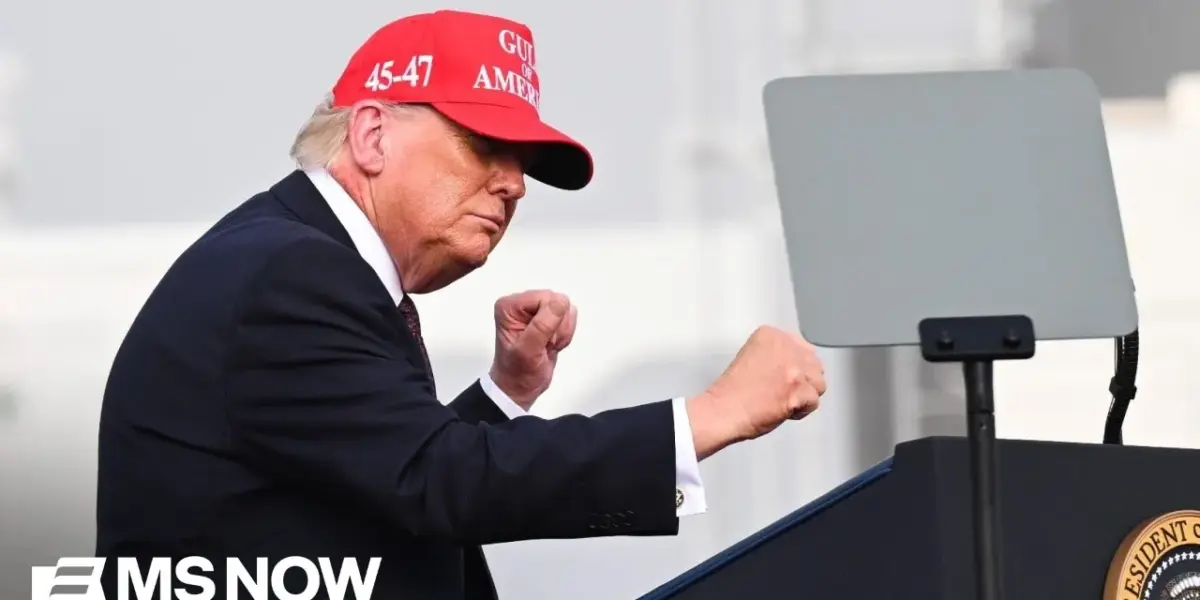
Trump Threatens Further Strikes on Key Iranian Oil Terminal
In a significant escalation of regional tensions, former President Donald Trump has indicated a willingness to launch further strikes on Karg Island, a crucial hub for Iran’s oil exports. This threat comes in the wake of intensified U.S. airstrikes on the island, which have already prompted reciprocal missile and drone attacks from Iran towards Israel and the United Arab Emirates. The situation has sent shockwaves through global energy markets, with oil prices already soaring to a four-year high.
Iran Launches Reciprocal Attacks as Oil Prices Surge
Sirens wailed in Tel Aviv as Iran launched a new volley of missiles toward the city, while the United Arab Emirates reported intercepting incoming missile and drone attacks from Iran. These actions followed U.S. airstrikes on Karg Island, Iran’s most vital oil export terminal. U.S. Central Command confirmed that over 90 Iranian military targets were struck, with oil facilities deliberately left intact. However, Trump suggested that more actions against Karg Island could be imminent, stating, ‘May hit it ‘just for fun’.’
The implications for the global economy are stark. Investors are warning that additional strikes could plunge global oil markets into further chaos. Karg Island is responsible for approximately 90 percent of Iran’s crude oil exports. Consequently, oil prices have already reached a four-year high of over $103 per barrel, marking an increase of more than 40 percent since the conflict’s inception. Analysts note that the world’s energy supply is not an easily managed ‘on and off switch,’ and bottlenecks created by the conflict could linger, impacting not only gasoline prices but also crucial commodities like fertilizer and diesel, which affect food prices and airfare.
Strait of Hormuz: A Persistent Flashpoint
The situation has also brought renewed focus on the Strait of Hormuz, a vital chokepoint for global oil transport. Reports suggest that Trump was previously warned of Iran’s potential to blockade the Strait but proceeded with military actions, apparently assuming Iranian leaders would capitulate. This contradicts previous statements from the former president asserting that the Strait was under control and that Iranian naval capabilities had been neutralized.
“The Straits are in great shape. We’ve knocked out all of their boats. They have some missiles, but not very many. I think we’re in very good. We’re in very good shape.”
However, recent events suggest Iran is exercising ‘sheer desperation’ in the Strait. The Iranian Foreign Minister, in a recent interview, clarified Iran’s stance: “The Strait of Hormuz is open. It is only closed to the tankers and ships belonging to our enemies, to those who are attacking us and their allies. Others are free to pass.” He added that many ships’ owners prefer not to pass due to security concerns, implying the closure is a consequence of the conflict rather than a direct Iranian blockade.
Economic Ramifications and Allied Support
The economic fallout from the escalating conflict is a significant concern. Experts emphasize that the ‘short-term pain for long-term gain’ narrative may not hold true, as disruptions to energy supplies can lead to prolonged economic instability. Even before the recent escalation, economic data indicated a tepid growth environment with rising inflation, a scenario described as stagflation.
The call for international cooperation to secure shipping lanes has also met with a muted response from allies. While the U.S. has suggested allies should assist in escorting ships through the Strait of Hormuz, there has been no public commitment from nations like Japan, France, or the UK. Instead, many are focused on mitigating the impact of the conflict on their own energy security. The European Union, for instance, met to discuss plans for releasing more oil into the market to offset potential shortages.
Unanswered Questions and Human Cost
Amidst the geopolitical and economic turmoil, questions linger about the decision-making process leading to the current situation. There is confusion regarding the extent to which the White House was briefed on the risks associated with Iran’s potential actions in the Strait of Hormuz and the subsequent economic repercussions. While military plans are extensive, the ultimate decision rests with the Commander-in-Chief.
Furthermore, the human cost of the conflict is becoming increasingly apparent. The recent release of the names of six airmen killed in an Iraq refueling plane crash brings the known American death toll to at least 13. For those who serve and their families, the lack of clear explanation regarding the ‘why’ and ‘how’ of the ongoing military engagement remains a profound concern, underscoring the need for transparency in times of war.
Looking Ahead
The coming days will be critical in determining the trajectory of the conflict and its impact on global energy markets. All eyes will be on Karg Island and the Strait of Hormuz for any further military actions or diplomatic developments. The international community will be watching closely to see if allies will step forward to support U.S. efforts to ensure freedom of navigation, and whether the current economic volatility will subside or intensify.
Source: May hit it ‘just for fun’: Trump threatens more strikes on key Iranian island vital for oil exports (YouTube)

Related Articles

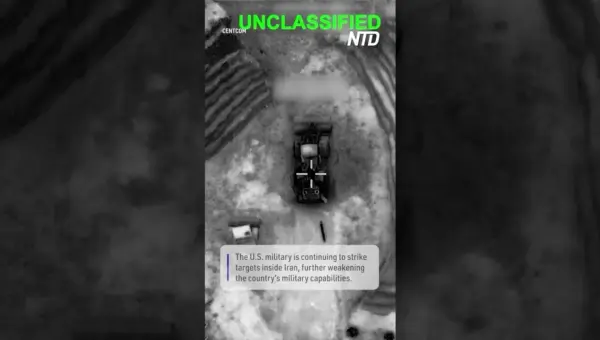
US Strikes Cripple Iran’s Military Might, CENTCOM Reports
U.S. Central Command reports ongoing strikes inside Iran are significantly weakening its military power. This direct action aims to reshape regional security dynamics, but carries risks of escalation. The long-term impact depends on Iran's response and ability to adapt.

U.S. Iran Tensions Rise Amid Shifting Alliances
Rising tensions between the U.S. and Iran are creating a volatile geopolitical situation. With conflicting signals on de-escalation and potential shifts in alliances like NATO and U.S.-Israel relations, the path forward remains uncertain. The global economy and regional stability hang in the balance.


Iran Targets US With Cyberattacks, Escalating Digital Warfare
Iran is increasingly using cyberattacks to challenge the U.S., as seen in a recent hack of the FBI director's account. Experts say this is a strategic shift due to Iran's limitations in conventional warfare. The U.S. needs to strengthen its digital defenses, focusing on encryption and cloud computing, rather than solely relying on traditional security measures.