Trump Hints at Iran Deal, Oil Prices Plummet 5%
Oil prices dropped over 5% as former President Trump hinted at a new approach to Iran, easing geopolitical fears. Experts note that global energy markets are highly sensitive to such diplomatic shifts. While temporary relief measures are being considered, the long-term stability of oil prices remains tied to international relations.

Global Oil Markets React to Diplomatic Shifts
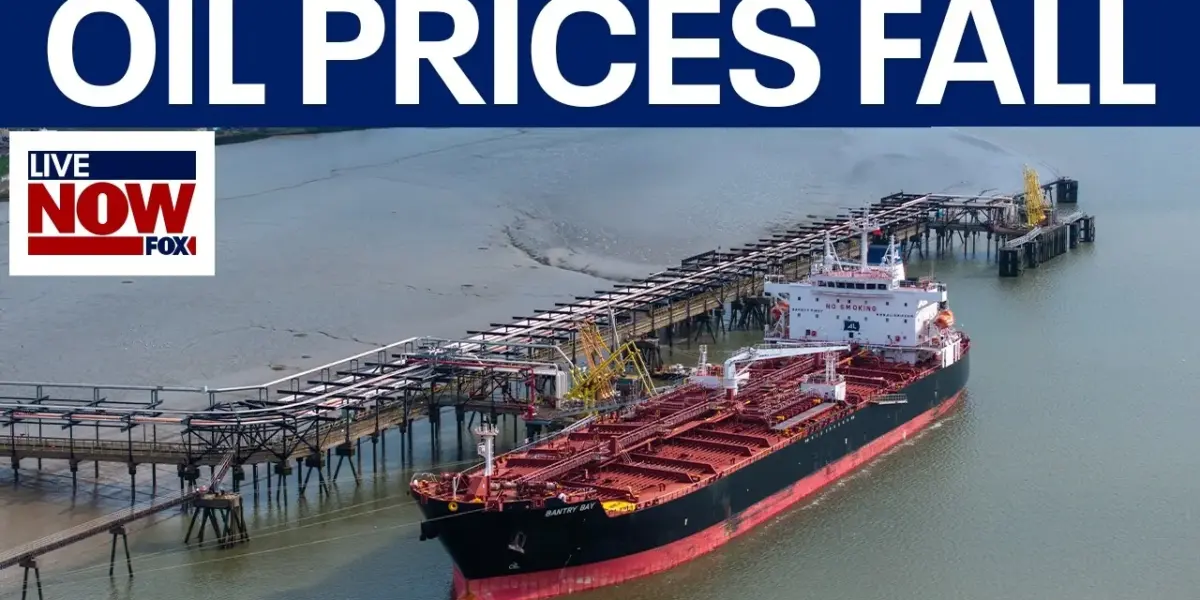
Oil prices saw a significant drop of over 5% in Asian trading. This decline followed signals from former President Donald Trump suggesting a potential shift in U.S. policy towards Iran. The developments signal renewed hope for de-escalation in a region critical to global energy supplies. The Strait of Hormuz, a vital shipping lane for oil, has been a focal point of recent geopolitical tensions.
Geopolitical Tensions Fuel Oil Price Volatility
For decades, global oil prices have reacted sharply to geopolitical instability. Dr. Barry, a public policy expert at Virginia Tech, explained that tensions in oil-producing regions directly translate into price spikes at the pump. This pattern has been observed throughout history, from the 1973 oil crisis to the run-up to the 2008 financial crisis and recent events in Ukraine.
“This is 1 of geopolitical tension. And tension in the oil market supply disruptions translating directly into a price spike at the pump,” Dr. Barry stated. “And that’s been happening for the last 50 to 60 years.”
Global Commodity Prices and the Strait of Hormuz
Oil and its derivatives, like gasoline and diesel, are global commodities. Their prices are set on international markets, not just domestically. Dr. Barry noted that while President Trump has indicated the Strait of Hormuz is not essential for America, the global nature of the market means events there still impact prices worldwide. West Texas Crude and Brent crude are two major benchmarks reflecting global oil prices.
The Strait of Hormuz is crucial, handling about 20% of the world’s oil supply. Any disruption there has a significant ripple effect on the global market. News of potential negotiations with Iran led to a more than 5% drop in oil prices, with Asian shares also gaining ground.
Hope for De-escalation Amidst Market Fluctuations
The prospect of a peaceful resolution, even if temporary, offered a significant boost to the markets. “In some ways, it’s very good news because we’re hopeful that the president’s promise that this could be over within weeks, not months,” Dr. Barry commented on the news. “That we’re at that event arising where things could level off and the Iranians appear to be at least willing to engage in some form of negotiation.”
However, he cautioned that the situation remains fluid. “Having said this, it’s not over until it’s over.” While prices have fallen, they haven’t reached the extreme highs some had predicted, with West Texas Intermediate crude remaining below $100 a barrel.
Government Actions to Ease Energy Costs
In an effort to combat rising energy prices stemming from the Iran conflict, the Trump administration was reportedly considering a temporary easing of federal smog-cutting restrictions on summer-blend gasoline. This measure aims to increase supply and potentially lower prices for consumers.
Dr. Barry expressed cautious optimism about such measures, stating, “It might, it might. It’s unverifiable to disentangle these effects.” He added that while these actions might not dramatically shift the needle, they are important for everyday Americans. The reality of gasoline prices at $4 a gallon is uncomfortable not just for households but also for the broader American transportation infrastructure, which relies heavily on diesel fuel.
Broader Economic Impacts and Future Outlook
The cost of production and trade are directly impacted by energy prices. Dr. Barry described the situation as “textbook” in its adherence to historical patterns of geopolitical events affecting energy markets. He also noted that rising electricity costs, partly due to factors like increased demand from data centers, add to the overall energy burden.
“Energy is the lifeblood of a capitalist economy,” he explained. “Increasing energy costs under all circumstances are bad news.” The U.S. economy’s resilience has been a key factor in overcoming past energy shocks, such as those experienced after Russia’s invasion of Ukraine in 2022. While prices may take time to fully reflect market changes, the U.S. has historically weathered these storms.
Globalization’s Double-Edged Sword
Dr. Barry concluded by reflecting on globalization’s impact on energy markets. “We all hang together. We experience this during COVID,” he said. The push for greater national self-sufficiency in energy is seen as a strategic goal to mitigate the effects of global instability.
“Nowhere is this more difficult than in global energy markets,” he noted. “And this current war proves that point.” While there may be long-term benefits to greater energy independence, the immediate challenge lies in navigating volatile international markets. The situation underscores the complex interplay between foreign policy, global economics, and the everyday cost of energy.
Source: Oil prices drop 5% as Trump hints at ending Iran war (YouTube)

Related Articles

Stocks Ignore War Risks, Focus on “Taco Moments”
Stock markets appear to be overlooking the severe supply chain risks stemming from the Iran conflict, focusing instead on potential diplomatic de-escalations. While the S&P 500 shows resilience, bond and commodity markets signal deep concern over disruptions to critical resources like LNG, helium, and fertilizers.

US Strikes Cripple Iran’s Military Might, CENTCOM Reports
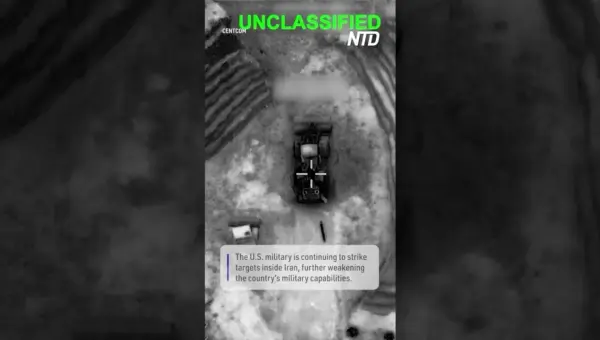
U.S. Central Command reports ongoing strikes inside Iran are significantly weakening its military power. This direct action aims to reshape regional security dynamics, but carries risks of escalation. The long-term impact depends on Iran's response and ability to adapt.

U.S. Iran Tensions Rise Amid Shifting Alliances
Rising tensions between the U.S. and Iran are creating a volatile geopolitical situation. With conflicting signals on de-escalation and potential shifts in alliances like NATO and U.S.-Israel relations, the path forward remains uncertain. The global economy and regional stability hang in the balance.