Trump Hints at Ground Troops Amid War Contradictions
The initial week of the U.S.-Iran conflict has been defined by contradictory statements from Republican officials and President Trump regarding the potential deployment of ground troops. This ambiguity raises significant questions about the United States' strategy and commitment in the region.

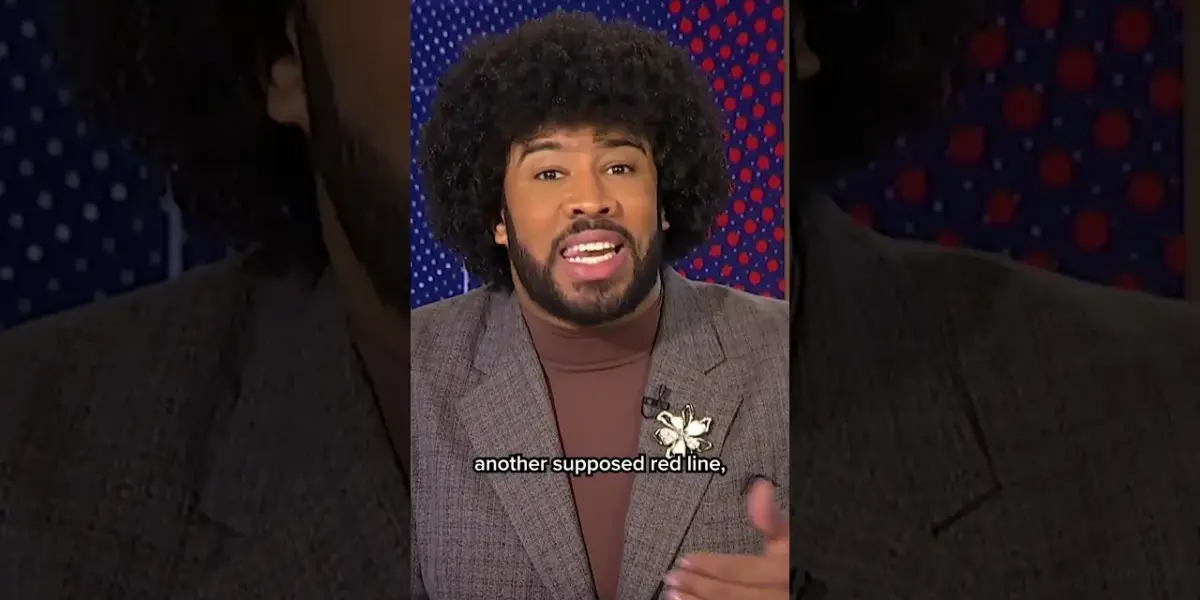
US Policy Shifts Emerge in First Week of Iran Conflict
The initial week of the U.S.-Iran conflict has been marked by a series of contradictory statements from Republican officials, particularly concerning the nature of American involvement and the ultimate objectives of the military action. Adding to the confusion, President Donald Trump recently suggested the possibility of deploying ground troops, a stark contrast to earlier assurances of no “boots on the ground.” This evolving narrative raises significant questions about the United States’ strategy and commitment in the region.
Contradictory Signals on US Involvement
The first week of hostilities with Iran has been characterized by conflicting messages from the highest levels of the U.S. administration. While the initial strikes were preceded by assurances that American ground forces would not be deployed, President Trump’s recent remarks to reporters have introduced a new layer of uncertainty. He stated that ground troops could be sent if there was a “very good reason,” a statement that appears to backtrack on previous commitments and leaves allies and adversaries alike questioning the administration’s long-term intentions.
This ambiguity extends to the overall goal of the military engagement. The lack of a clear, unified message regarding the objectives of the conflict has fueled speculation and concern. Is the objective to deter further aggression, to degrade Iran’s military capabilities, or to pursue a more expansive agenda? The differing viewpoints expressed by various Republican officials suggest a lack of consensus within the administration, potentially weakening the United States’ diplomatic and military standing.
President Trump’s Shifting Stance on Ground Troops
President Trump’s recent comments regarding the potential deployment of ground troops represent a significant pivot from the initial messaging surrounding the conflict. Prior to the strikes, the administration had been emphatic in stating that “boots on the ground” would not be part of the U.S. response. This assurance was crucial in managing expectations both domestically and internationally, particularly among allies who have historically been wary of prolonged U.S. military engagements in the Middle East.
However, the President’s qualification that troops could be deployed if there was a “very good reason” opens the door to a scenario previously deemed unlikely. This statement has been met with a mixture of concern and scrutiny. Critics argue that it signals a potential for mission creep and an escalation of the conflict, while supporters may view it as a necessary flexibility to adapt to evolving circumstances on the ground.
“We could possibly deploy ground troops if we have a very good reason,” President Trump reportedly told reporters, a statement that has added considerable complexity to the evolving situation.
Analysis of the Contradictions and Their Implications
The contradictions emerging from the U.S. administration in the first week of the Iran conflict are not merely rhetorical; they carry significant strategic implications. A lack of clear and consistent messaging can undermine deterrence, confuse allies, and embolden adversaries. When the goals and the means of achieving them are unclear, it becomes difficult for other nations to accurately assess U.S. intentions and calibrate their own responses.
This situation is particularly sensitive in the Middle East, a region already fraught with complex geopolitical dynamics. Inconsistent policy pronouncements can exacerbate existing tensions and create opportunities for miscalculation. For regional partners, the shifting stance on ground troop deployment may raise concerns about the long-term commitment and potential for deeper U.S. involvement, while for Iran, it could be interpreted as a sign of indecision or a potential opening for further escalation.
Broader Context: The US-Iran Relationship
The current conflict unfolds against the backdrop of a long and often tumultuous U.S.-Iran relationship. Decades of political and military tensions, punctuated by periods of direct confrontation and proxy conflicts, have shaped the current landscape. The Trump administration’s “maximum pressure” campaign, aimed at curtailing Iran’s nuclear program and its regional influence, had already heightened tensions prior to the recent military actions.
The decision to engage militarily, even with limited strikes, represents a significant escalation. The subsequent contradictory messaging suggests a potential struggle within the administration to define a coherent strategy that balances deterrence, de-escalation, and the pursuit of U.S. interests. The absence of a clear “red line” or a defined endgame beyond immediate tactical objectives leaves the situation precarious.
Looking Ahead: What to Watch Next
As the U.S.-Iran conflict progresses, the clarity and consistency of American policy will be paramount. All eyes will be on whether the administration can articulate a unified strategy with clearly defined objectives and a realistic assessment of the potential consequences of further escalation, including the possibility of ground troop deployment. The reactions of regional allies and international bodies to these evolving U.S. pronouncements will also be crucial in shaping the trajectory of the conflict. The coming weeks will likely reveal whether the initial contradictions were a temporary phase or indicative of a more fundamental strategic uncertainty in Washington’s approach to Iran.
Source: A week of war contradictions: Trump says US could 'possibly' deploy troops if 'very good reason' (YouTube)

Related Articles
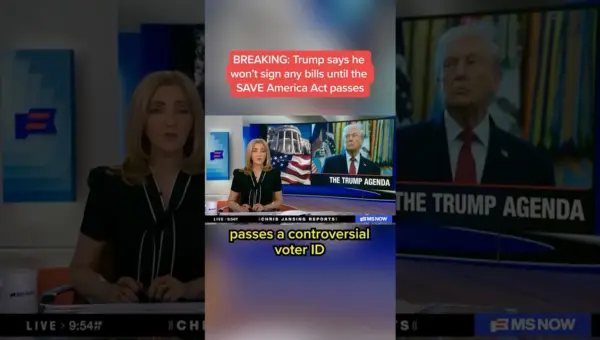
Trump Vows to Block Bills Until Border Security Act Passes
Former President Donald Trump has stated he will not sign any bills until the Safeguard American Voter Eligibility (SAVE) Act is passed. This demand places a significant condition on future legislative actions and highlights Trump's focus on election integrity and border security.
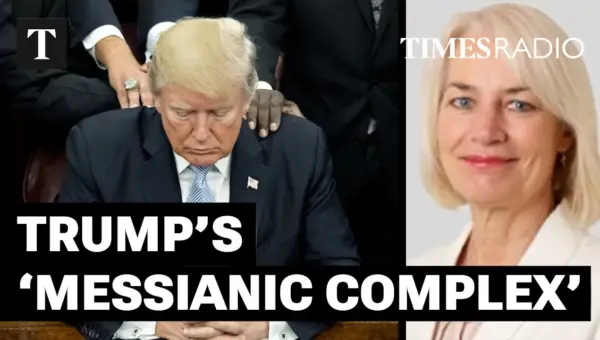
Trump’s ‘Messianic Complex’ Fuels Global Conflict, Analyst Says
Sarah Baxter, Director of the Marie Culvin Center for International Reporting, argues that Donald Trump's "messianic complex" is driving his foreign policy, potentially at the cost of domestic economic stability. The escalating conflict with Iran and rising oil prices have placed Vice President JD Vance in a difficult political position, fracturing the MAGA coalition and raising questions about future leadership within the Republican party.
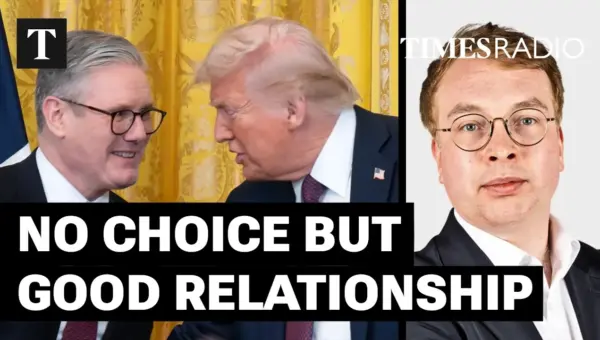
UK PM Must Court Trump Despite Party Backlash
British Prime Minister Keir Starmer faces a difficult balancing act, needing to maintain a crucial relationship with the US President despite domestic criticism. Rising global tensions and economic instability add further pressure, complicating the government's agenda and public finances.