Trump Halts Iran Strikes; ICE Aids Airports Amid Travel Chaos
President Trump has paused military strikes against Iran for diplomatic talks, while NATO works to secure the Strait of Hormuz. Simultaneously, ICE officers are assisting TSA at airports to combat delays caused by staffing shortages.

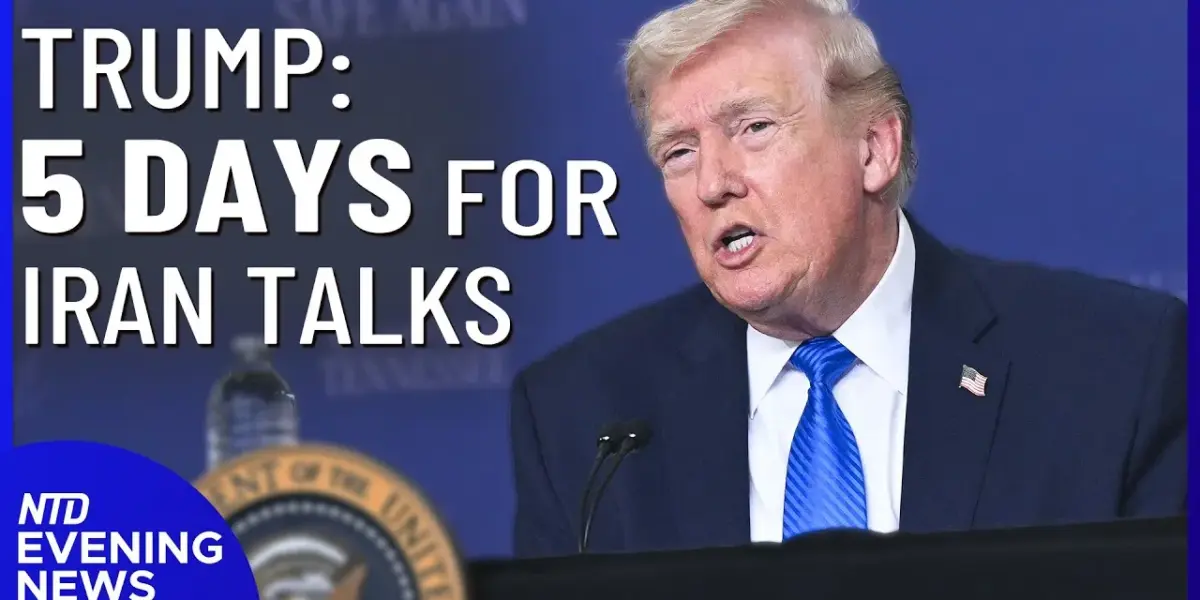
Trump Pauses Iran Strikes, Eyes Diplomatic Path
President Donald Trump recently made a significant decision regarding Iran. He ordered the military to hold off on planned strikes against Iranian energy sites. This move came after what the President described as “productive” talks with the Iranian regime. These discussions are set to continue throughout the current week, suggesting a diplomatic approach is being prioritized.
This de-escalation on the military front is happening while international efforts are underway to address other tensions. NATO is assembling a coalition of over 20 nations. Their goal is to assist President Trump in reopening the Strait of Hormuz, a vital waterway for global oil transport that has been a point of contention.
However, the situation remains complex. A group reportedly linked to Iran has claimed responsibility for an attack on four ambulances belonging to Jewish community centers in London. This incident highlights the ongoing security challenges and the varied nature of threats in the region.
ICE Officers Deployed to Airports to Ease Passenger Delays
In a separate development, U.S. Immigration and Customs Enforcement (ICE) officers are now helping out at several airports. They are working alongside Transportation Security Administration (TSA) agents. The aim is to reduce the long wait times passengers have been experiencing at security checkpoints.
Tom Homan, the White House border czar, explained that these ICE officers are there to provide assistance and improve the flow of travelers. This intervention comes as the TSA faces expected staffing shortages. These issues are expected to become more severe as a Department of Homeland Security shutdown continues into its sixth week. The shutdown impacts the resources and personnel available to various agencies.
Why This Matters
The dual developments involving Iran and airport security highlight key challenges facing the Trump administration. On the international stage, the decision to pause military action against Iran, while pursuing diplomacy, represents a delicate balancing act. It signals a willingness to negotiate but also keeps pressure on the regime. The involvement of NATO allies in securing the Strait of Hormuz shows a coordinated effort to maintain global trade routes, which is crucial for economic stability.
Domestically, the deployment of ICE officers to airports addresses a practical problem affecting millions of travelers. Long security lines can cause significant stress and disruption. By using personnel from other agencies, the administration is attempting to mitigate the impact of the ongoing government shutdown on essential services and public convenience. This also raises questions about the long-term sustainability of such temporary staffing solutions and the broader implications of agency budget constraints.
Implications and Future Outlook
The situation with Iran could lead to several outcomes. If diplomatic talks succeed, it might ease tensions and prevent a wider conflict, potentially leading to new agreements. Conversely, if talks fail, the threat of military action could resurface, or Iran might continue actions that provoke a response. The international cooperation through NATO suggests a unified front against potential disruptions in the Strait of Hormuz, which could deter aggression but also risks escalating regional involvement.
The airport situation, while seemingly less dramatic, has broader implications for public services. Relying on inter-agency transfers to cover staffing gaps might be a short-term fix. However, it could strain resources in the originating agencies and doesn’t solve the root cause of the shutdown. As the shutdown continues, more disruptions to government services could occur, impacting everything from national parks to food safety inspections.
Historical Context
The Strait of Hormuz has historically been a critical chokepoint for oil shipments. Its strategic importance has made it a frequent site of tension between Iran and Western powers. Past incidents have often involved naval standoffs or threats to shipping, leading to international concern and diplomatic intervention. This current effort by NATO to ensure its openness echoes similar past multinational efforts to protect maritime trade routes.
Airport security has also seen significant changes over the years, particularly after major security events. The TSA was established in the wake of the September 11, 2001 attacks to standardize and strengthen airport security measures. Staffing and funding for agencies like the TSA are often subject to political and budgetary debates, especially during government shutdowns. This current situation is a reminder of the vulnerabilities that can arise when essential government operations are interrupted.
Source: Trump: 5 Days for Iran Talks; ICE to Assist at Airports Amid TSA Delays | NTD Evening News (Mar. 23) (YouTube)

Related Articles

U.S. Iran Tensions Rise Amid Shifting Alliances
Rising tensions between the U.S. and Iran are creating a volatile geopolitical situation. With conflicting signals on de-escalation and potential shifts in alliances like NATO and U.S.-Israel relations, the path forward remains uncertain. The global economy and regional stability hang in the balance.


Iran Targets US With Cyberattacks, Escalating Digital Warfare
Iran is increasingly using cyberattacks to challenge the U.S., as seen in a recent hack of the FBI director's account. Experts say this is a strategic shift due to Iran's limitations in conventional warfare. The U.S. needs to strengthen its digital defenses, focusing on encryption and cloud computing, rather than solely relying on traditional security measures.

Iran Hacks FBI Chief, Exposing U.S. Cyber Vulnerabilities
A recent hack of FBI Director Kash Patel's personal email by an Iran-linked group highlights Iran's growing cyber threat to the U.S. Experts explain how simple security oversights are exploited, emphasizing the need for basic defenses like two-factor authentication to protect against propaganda and potential infrastructure attacks.