Trump Halts Iran Strikes, Hopes for Mideast Peace
President Trump has agreed to a two-week pause on planned attacks against Iran, contingent on Iran opening the Strait of Hormuz. This move, supported by Israeli Prime Minister Netanyahu, aims to foster peace talks. The President also vowed to investigate reports of 'fake news' regarding the deal.

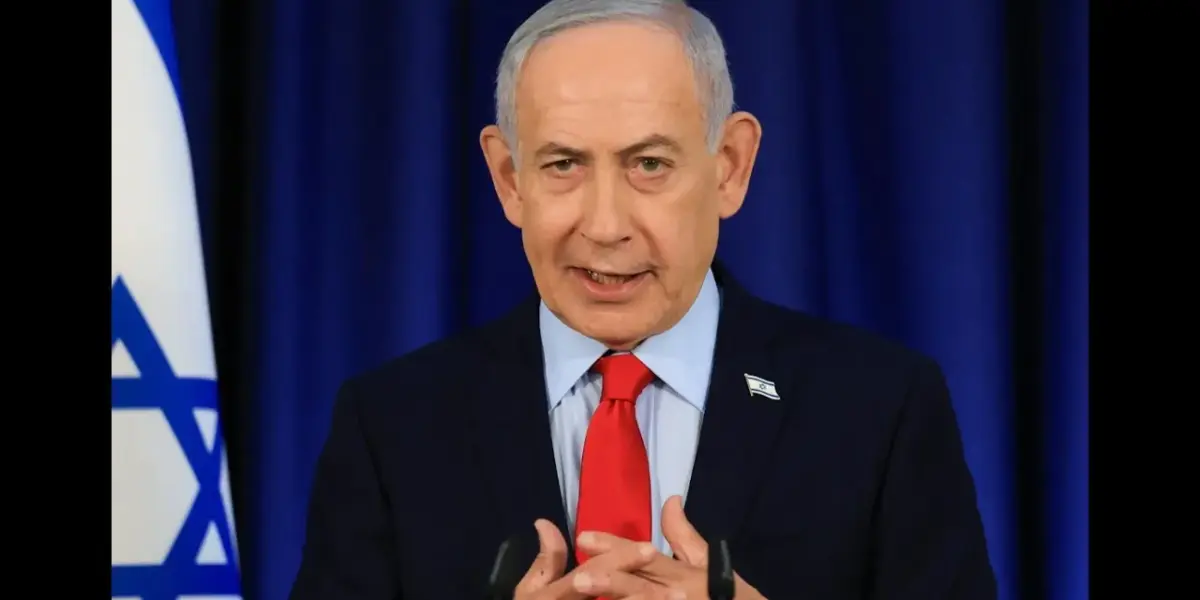
Trump Halts Iran Strikes, Hopes for Mideast Peace
President Trump announced he would pause planned attacks on Iran for two weeks. This decision came after requests from Pakistan’s Prime Minister and Field Marshal. They asked him to hold off on military action. Trump agreed, but with a condition: Iran must agree to open the Strait of Hormuz safely and immediately. This move could bring peace closer to the Middle East.
A Deal for Calm
The President called Iran’s 10-point peace plan a solid starting point for more talks. He made his announcement just before a deadline for attacking Iran. Pakistan had specifically asked him to stop the strike. Trump explained his decision on social media. He said it was a two-sided ceasefire. The U.S. had already met its military goals. He also mentioned that a clear agreement for long-term peace in Iran and the Middle East was close.
Trump described the potential outcome as a “golden age of the Middle East.” He said the U.S. would help manage traffic in the Strait of Hormuz. Iran could then begin rebuilding its country.
Iran’s Response
Iran’s foreign minister responded positively. He stated that if attacks stop, Iran’s armed forces would also halt defensive actions. For the next two weeks, safe passage through the Strait of Hormuz would be managed with Iran’s military. This coordination would consider technical limits. This agreement follows a period of increased strikes by both American and Israeli forces against Iran.
Context and Concerns
Earlier, President Trump had threatened to target Iran’s energy sector. This was a reaction to attacks on ships in the Strait of Hormuz. Israeli Prime Minister Benjamin Netanyahu supported the two-week ceasefire. However, he pointed out that the deal does not cover Lebanon. This suggests ongoing concerns about other regional conflicts.
Addressing ‘Fake News’
President Trump also vowed to investigate what he called “fake news” about the Iran deal. CNN had published a headline stating, “Iran claims victory, says it forced US to accept 10-point plan.” The article suggested the U.S. had agreed to Iran’s nuclear enrichment plans. Trump strongly denied this. He claimed the story was linked to a fake news site from Nigeria. He stated that authorities were looking into whether a crime had been committed. He demanded CNN immediately withdraw the statement and apologize for its reporting. The results of this investigation are expected soon.
Why This Matters
This two-week pause in hostilities is a significant development. It offers a chance for diplomacy to succeed where military action was imminent. The Strait of Hormuz is a vital waterway for global oil transport. Its opening is crucial for economic stability. The potential for a “golden age of the Middle East” hinges on continued de-escalation and a lasting peace agreement. However, the exclusion of Lebanon from the current ceasefire highlights the complexity of regional security. The dispute over the CNN report also underscores the challenges of accurate information in international relations.
Implications and Future Outlook
The coming two weeks are critical. If Iran cooperates on the Strait of Hormuz and negotiations progress, this pause could lead to a broader peace deal. This would impact global energy markets and reduce regional tensions. However, if talks fail or if tensions rise again, military action could resume. The involvement of Pakistan as a mediator is also noteworthy. It shows a potential shift in regional diplomacy. The future outlook depends heavily on the actions of all parties involved. The U.S. role in ensuring stability, as stated by Trump, will be closely watched.
Historical Background
Tensions between the U.S. and Iran have been high for decades. The Strait of Hormuz has often been a flashpoint. Previous administrations have faced similar challenges in managing the relationship. This current situation recalls earlier periods of brinkmanship and diplomatic efforts. The desire for peace in the Middle East is a long-standing goal. This two-week pause represents a specific, albeit temporary, opportunity to pursue that goal more directly.
Source: Israel Backs Trump's 2-Week Pause on Iran Strikes, Says Cease-Fire Does Not Include Lebanon (YouTube)

Related Articles


Mideast Peace Declared: Oil Prices Plummet After Victory
A historic military victory over Iran has been declared, leading to the destruction of its missile program and the reopening of the Strait of Hormuz. This news caused oil prices to drop sharply worldwide. In Georgia, Clay Fuller won a special election to replace Marjorie Taylor Greene in Congress. The Justice Department also announced a new division to combat fraud.


Trump’s Iran Deal: Victory Lap or Humiliation?
An analysis of the recent U.S. actions regarding Iran reveals a stark contrast between official claims of victory and the on-the-ground realities. Critics argue that Iran's newfound control over the Strait of Hormuz represents a significant humiliation, not a win. The situation raises concerns about international law and the U.S.'s global standing.
Trump Seals Iran Ceasefire, Targets Nuclear Deal
President Trump has brokered a two-week ceasefire with Iran, averting a potential conflict over the Strait of Hormuz. The deal includes discussions on sanctions relief and nuclear non-proliferation, while new tariffs loom for nations supplying Iran with military weapons. Domestic policy debates over DHS funding continue.