Trump Halts Iran Strikes, Hints at Talks Amid Mideast Tensions
President Trump has paused planned military strikes on Iran's energy infrastructure, citing productive conversations and hinting at potential negotiations. This move comes amid heightened Middle East tensions, Iran's missile launches, and threats to the Strait of Hormuz. The situation remains uncertain as both sides offer conflicting accounts of diplomatic engagement.

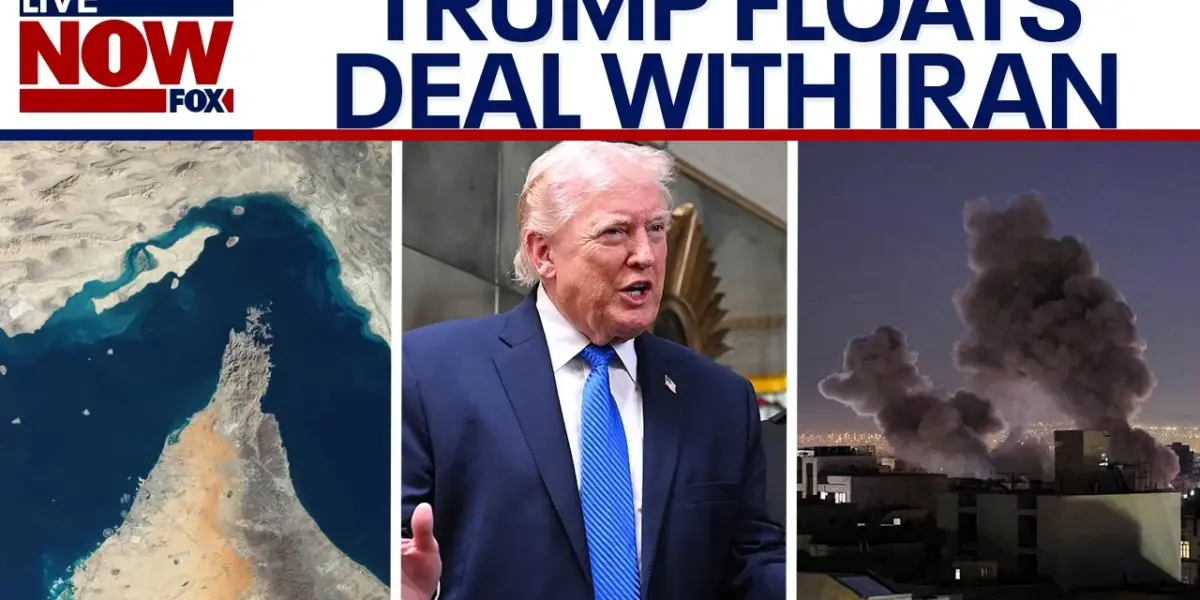
President Trump has announced a temporary halt to planned military strikes against Iranian power plants and energy infrastructure. The decision, which comes amid escalating tensions in the Middle East, signals a potential opening for diplomatic engagement. This move follows Iran’s launch of long-range missiles and threats to disrupt vital shipping lanes, particularly the Strait of Hormuz.
De-escalation or Delay?
The announcement to postpone strikes, described as a five-day period, was made after what President Trump called “very good, productive conversations” regarding a resolution to hostilities. He stated that these discussions were with a “respected individual” from Iran, though Iran has officially denied that any negotiations are taking place. This conflicting information leaves the situation uncertain, with experts urging caution despite the apparent de-escalation.
Jonathan Hunt, reporting from the region, noted that while the threat of US strikes on energy sites has receded, military and regime targets in Iran and beyond are still being hit by the US and Israel. He highlighted that the International Red Cross has warned that Iranian civilians are caught in the crossfire of these attacks.
Iran’s Threats and Capabilities
Iran’s actions, including launching its longest-range missiles to date towards a joint US-UK base in the Indian Ocean, have raised significant concerns. Israeli Prime Minister Benjamin Netanyahu stated that these actions prove Iran endangers the world, pointing to Iran’s capacity to reach deep into Europe and its past actions, such as firing on Cyprus.
Iran has also threatened to target critical infrastructure like desalination plants, which supply drinking water to Gulf nations, and power plants that support American military bases. In response to the increased US military presence, including more assault ships and Marines heading to the region, Iran has threatened to deploy mines in the Gulf and along its coasts, potentially closing the commercially vital Strait of Hormuz to most shipping.
Economic Impact and Market Reaction
The fluctuating tensions have had a direct impact on global markets. President Trump’s initial threat of strikes and subsequent postponement have driven oil prices up and caused stock markets to react sharply. The potential closure of the Strait of Hormuz, a critical chokepoint for global energy supplies, poses a significant threat to the global economy. Experts like Daniel Rothenberg, co-director of the ASU Future Security Initiative, emphasize the terrifying potential for economic disruption, citing the impact on Qatar’s liquefied natural gas exports as an example of how even localized attacks can destabilize global trade.
The Prospect of a Deal
The possibility of a negotiated settlement is being weighed against a history of mistrust and past diplomatic failures. President Trump’s administration previously withdrew from the Joint Comprehensive Plan of Action (JCPOA), the nuclear deal with Iran negotiated by his predecessors. Experts suggest that any new deal would require a baseline level of trust and understanding between the parties, which has been severely damaged.
Key points of discussion for any potential deal likely include Iran’s nuclear program, its ballistic missile capabilities, and its regional influence. However, the lack of clear communication and the conflicting statements from both sides make it difficult to ascertain the exact nature or likelihood of a breakthrough.
The Strategic Importance of the Strait of Hormuz
The Strait of Hormuz remains a central point of contention. Control over this narrow waterway is crucial for the export of oil and natural gas from the Gulf region. Iran has historically used its position to threaten disruptions, impacting global energy markets. While the US maintains a significant military presence in the region and has vowed to ensure freedom of navigation, the complexity of protecting such a vital passage is immense.
The potential for attacks on civilian infrastructure, such as desalination and power plants, is viewed as particularly concerning and potentially illegal under international law. Such actions could have long-term, devastating consequences for civilian populations, far beyond the immediate military objectives.
Looking Ahead
The coming days will be critical in determining whether the current de-escalation holds. The world will be watching to see if genuine negotiations take place and if a path towards a peaceful resolution can be found. The ongoing human suffering caused by the conflict, both within Iran and in surrounding regions, underscores the urgent need for stability. The implications of this conflict are far-reaching, potentially reshaping regional dynamics and global security for years to come.
Source: Middle East update: What to expect after Trump postpones attacks on Iranian power plants (YouTube)

Related Articles

U.S. Iran Tensions Rise Amid Shifting Alliances
Rising tensions between the U.S. and Iran are creating a volatile geopolitical situation. With conflicting signals on de-escalation and potential shifts in alliances like NATO and U.S.-Israel relations, the path forward remains uncertain. The global economy and regional stability hang in the balance.


Iran Targets US With Cyberattacks, Escalating Digital Warfare
Iran is increasingly using cyberattacks to challenge the U.S., as seen in a recent hack of the FBI director's account. Experts say this is a strategic shift due to Iran's limitations in conventional warfare. The U.S. needs to strengthen its digital defenses, focusing on encryption and cloud computing, rather than solely relying on traditional security measures.

Iran Hacks FBI Chief, Exposing U.S. Cyber Vulnerabilities
A recent hack of FBI Director Kash Patel's personal email by an Iran-linked group highlights Iran's growing cyber threat to the U.S. Experts explain how simple security oversights are exploited, emphasizing the need for basic defenses like two-factor authentication to protect against propaganda and potential infrastructure attacks.