Trump Halts Iran Strikes: A Diplomatic Gamble Unfolds
President Trump announced a five-day delay on planned military strikes against Iranian power plants, citing productive diplomatic conversations. This move signals a potential shift towards negotiation over immediate military action. The outcome of these talks could significantly impact regional stability and U.S.-Iran relations.

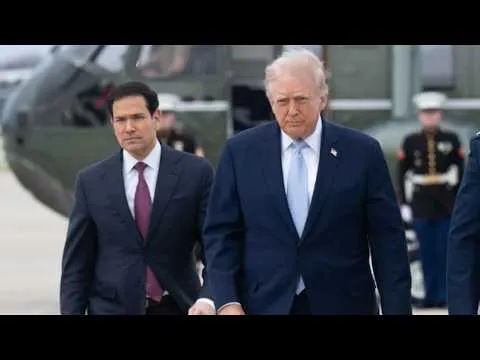
Trump Halts Iran Strikes: A Diplomatic Gamble Unfolds
President Trump recently announced a surprising five-day delay for military strikes planned against Iranian power plants. This decision came after what the President described as “very good and productive conversations” with Iran. The move signals a potential shift in U.S. policy toward Iran, moving away from immediate military action towards diplomatic engagement.
A Sudden Pause in Hostilities
The announcement, made on March 23rd, came as a surprise to many. President Trump stated on his social media platform, Truth Social, that the United States and Iran had engaged in deep discussions over the preceding two days. These talks, he reported, aimed for a “complete and total resolution of our hostilities in the Middle East.” He further explained that based on the positive nature of these conversations, he had ordered the Department of Defense to put a hold on planned strikes against Iran’s energy infrastructure.
“Based on the tenor and tone of these in-depth, detailed, and constructive conversations, which will continue throughout the week, I have instructed the Department of War to postpone any and all military strikes against Iranian power plants and energy infrastructure for a 5-day period subject to the success of the ongoing meetings and discussions.”
Behind the Decision: Diplomacy Over Destruction
Speaking to reporters, President Trump elaborated on the situation. He mentioned having “very, very strong talks” and noted “major points of agreement.” He indicated that a meeting would happen “very, very soon.” The President emphasized that the five-day period was crucial. If the discussions went well, he suggested, the conflict could be resolved. He also made it clear that Iran initiated the contact, stating, “So they called. I didn’t call. They called. They want to make a deal.”
The targets were significant: Iran’s largest electric generating plants, each costing over $10 billion to build. The President pointed out the immense cost of these facilities and the potential for their destruction in a single strike. He questioned why Iran would want such an outcome, implying that their willingness to negotiate stemmed from a desire to avoid this devastating loss.
Key Demands for a Deal
President Trump laid out clear conditions for any potential agreement. “It’s got to be a good deal,” he insisted. Crucially, he stated that the deal must include “no more wars, no more nuclear weapons.” He added, “They’re not going to have nuclear weapons anymore. They’re agreeing to that.” Any agreement that did not meet these standards, he warned, would not be considered a deal.
Why This Matters
This development is significant because it represents a potential pivot from military confrontation to diplomatic resolution. For years, tensions between the U.S. and Iran have been high, often escalating to the brink of conflict. The threat of strikes on critical infrastructure like power plants carries immense implications, not just for Iran but for regional stability and global energy markets. By pausing these strikes, President Trump is signaling a willingness to explore diplomatic avenues, which could have far-reaching consequences.
Historical Context and Future Outlook
The relationship between the United States and Iran has been fraught with tension since the 1979 Iranian Revolution. Decades of sanctions, proxy conflicts, and nuclear program concerns have defined this complex dynamic. Previous U.S. administrations have pursued various strategies, from sanctions to direct confrontation. The Trump administration itself had previously withdrawn from the Iran nuclear deal and imposed “maximum pressure” sanctions.
This current pause, however, suggests a different approach. It mirrors past instances where intense pressure was followed by unexpected diplomatic openings. The success of these five days of talks will be critical. If they lead to tangible progress on issues like Iran’s nuclear program and regional influence, it could mark a significant turning point. However, if the negotiations falter, the risk of renewed military escalation remains. The international community will be watching closely to see if this diplomatic gamble pays off, potentially leading to a more stable Middle East or further entrenching existing conflicts.
Source: Trump Pauses Military Strikes on Iranian Power Plants (YouTube)

Related Articles
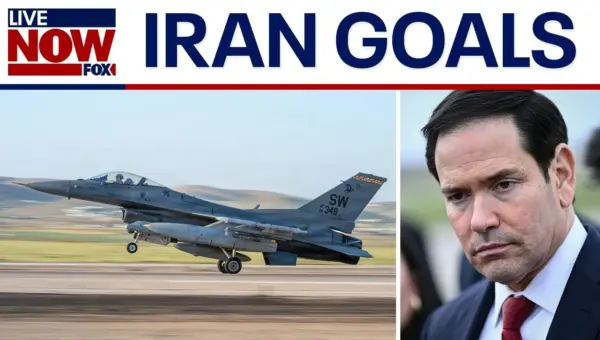
Rubio: US Can Achieve Iran War Goals Without Troops
Senator Marco Rubio outlined a strategy to counter Iran without deploying U.S. ground troops, focusing on weakening the regime and enhancing maritime security. He also criticized Cuba's economic system and expressed concerns about West Bank violence.
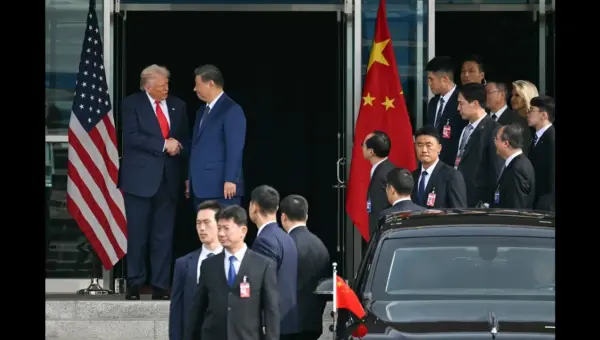
Trump’s “Walk Away” Tactic Signals Tougher Stance on China
Retired Air Force Brigadier General David Stillwell believes President Trump's strategy of being willing to walk away from negotiations puts pressure on China. This tactic, combined with US global actions and strengthened alliances, signals a more assertive American foreign policy.

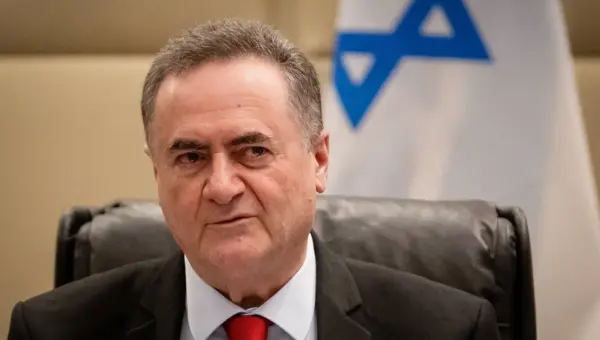
Israel Escalates Iran Strikes, Warns of Wider War
Israel has launched significant strikes inside Iran following continued missile fire, warning of further escalation. The conflict risks wider regional instability and economic disruption, especially concerning the Strait of Hormuz.