Trump Focuses on Economy, Not Polls, Amid Global Conflicts
Former U.S.-Iran negotiator Richard Nephew believes Donald Trump prioritizes economic stability over poll numbers when making foreign policy decisions. Nephew discusses the economic impacts of the Middle East conflict and concerns about corruption within the current administration.

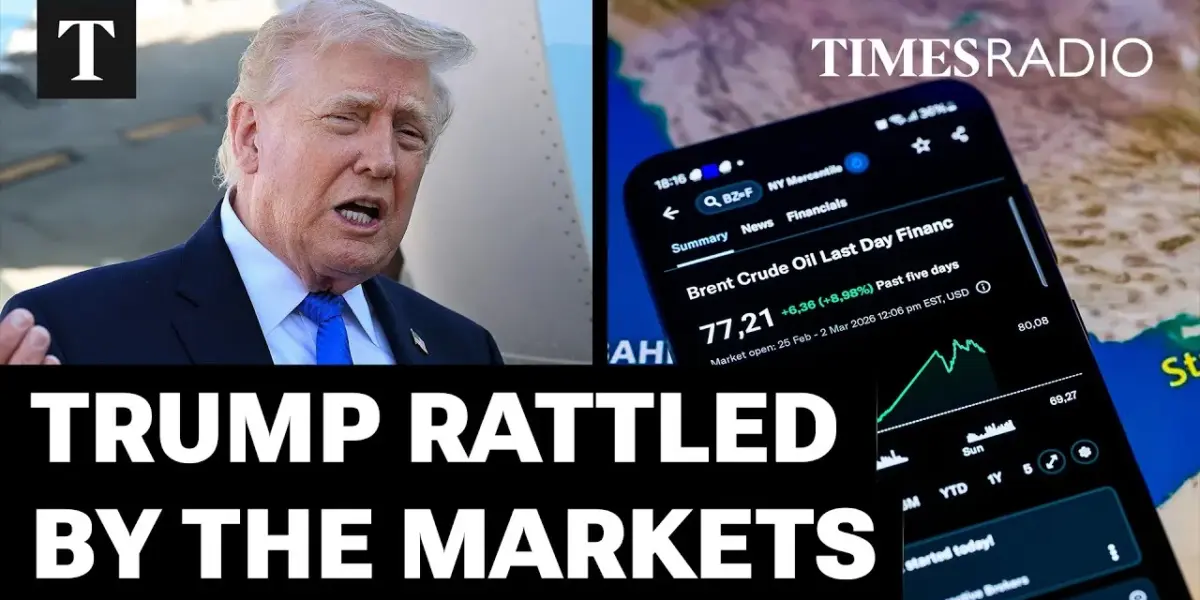
Trump Weighs Economic Impact Over Polls in Foreign Policy Decisions
Former U.S.-Iran negotiator Richard Nephew suggests that former President Donald Trump is more concerned with economic indicators than public opinion polls when making decisions about international conflicts. Trump’s approach to foreign policy, particularly concerning the ongoing conflict in the Middle East, appears to be driven by potential impacts on stock markets and oil prices, rather than his standing in opinion polls. Nephew, who served as the U.S. Deputy Special Envoy to Iran, shared his insights on the matter in a recent interview.
Iran Conflict and Economic Repercussions
The interview touched upon the broader economic consequences of the Middle East conflict, with the OECD predicting significant impacts on G20 nations, particularly the UK. Donald Trump has publicly claimed that a peace deal to end the fighting could be near, stating that the Iranian regime is eager for an agreement. However, Iran has reportedly dismissed Trump’s peace proposals, with indirect talks mediated by Pakistan currently underway.
“I think what he’s much more acutely interested in is the economic numbers. And I think the damage that’s been done to stock markets, uh, the damage that’s been done in terms of oil prices, um, has affected him. And I think you can see a lot of efforts to try and address those problems.”
Nephew explained that in such conflicts, parties often try to posture for leverage, especially when negotiations are anticipated. He believes the U.S. has signaled concerns about the global economic fallout, citing the decision to ease sanctions on Iranian oil as a notable action amid military tensions. Both sides, Nephew suggested, likely desire a resolution but are positioning themselves to gain an advantage in potential negotiations.
Assessing the Stalemate and Potential Ceasefire
When asked about who might concede first, Nephew indicated that the U.S. has already made a move with sanctions relief. He views the situation as less about who “blinks” and more about material limitations. Both Iran and the U.S. could eventually face resource constraints, such as dwindling missile supplies for Iran and a shortage of interceptors and political will for the U.S.
Nephew anticipates a short-term ceasefire as a likely outcome. This would allow both sides to claim they did not yield, while potentially paving the way for more substantial negotiations. He noted that the U.S. has previously considered military action against Iran, particularly concerning its nuclear program, but always recognized the significant downsides, including diplomatic isolation and economic damage.
Criticism of U.S. Foreign Policy Approach
Nephew critiqued the current U.S. administration’s approach, suggesting a disregard for allies and a failure to adequately consider the adversary’s potential responses. He contrasted this with previous administrations, which he believes integrated expertise from civil servants and allies more effectively into decision-making processes. He expressed doubt that the current administration would follow a similar path, suggesting that expert advice might be overlooked.
Concerns Over Corruption and Insider Trading
The conversation also turned to concerns about corruption within the administration. Nephew, drawing on his experience coordinating global anti-corruption efforts for Joe Biden, highlighted the seriousness of prediction market trades occurring before key administration decisions. He described such activities as akin to insider trading, severely damaging the credibility of U.S. leadership and undermining public trust.
Investigating such activities is challenging, especially with modern financial tools like cryptocurrency and mobile trading. However, Nephew stressed the importance of clear standards prohibiting such conduct, coupled with rigorous financial disclosure requirements. He believes that individuals engaging in such practices should face severe penalties, including administrative actions like dismissal and potential prosecution for corruption.
“You can have standards that simply say you are not allowed to engage in this these sorts of conducts and then to have rigorous financial disclosure requirements. So, if you find someone has done something, you punish them.”
When directly asked if he considered the current administration to be corrupt, Nephew responded affirmatively. He pointed to numerous credible allegations reported in the media concerning business dealings by family members of political figures and arrangements that could directly benefit the president. He concluded that there is substantial evidence suggesting corruption among many actors within the administration.
Challenges in Enforcement and Future Outlook
Nephew attributed the lack of consequences for alleged corrupt activities partly to political dynamics and potential limitations on the Department of Justice and other investigative bodies. He cited a recent article he co-authored, detailing changes within the Department of Justice and the Securities and Exchange Commission that have led to the dismissal of investigators and the shelving of investigations. This, he argued, points to a significant problem in enforcing ethical standards.
Looking ahead, Nephew offered a realistic expectation for the current Middle East conflict: a ceasefire within the next few weeks. He doesn’t foresee a comprehensive peace deal emerging quickly. Instead, he anticipates a simple cessation of hostilities, possibly brokered by international mediators. While not a fully satisfying resolution, such a ceasefire could help restore the flow of essential goods through vital shipping lanes like the Strait of Hormuz and reduce active military engagement.
Source: Trump Is Bothered By The Stock Markets Not The Polls | Former US-Iran Negotiator (YouTube)

Related Articles
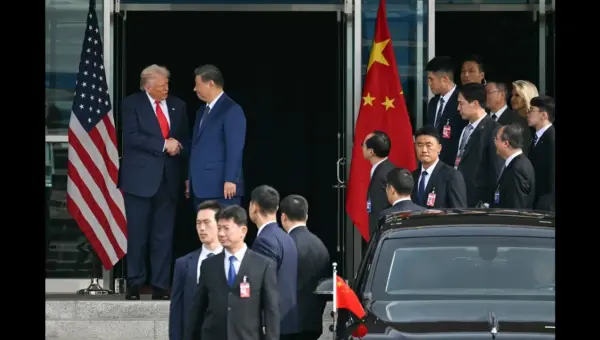
Trump’s “Walk Away” Tactic Signals Tougher Stance on China
Retired Air Force Brigadier General David Stillwell believes President Trump's strategy of being willing to walk away from negotiations puts pressure on China. This tactic, combined with US global actions and strengthened alliances, signals a more assertive American foreign policy.


Israelis Forge Resilience Amidst Constant Bomb Shelter Drills
Life in Israel is a blend of resilience and constant vigilance, with many families adapting to frequent bomb shelter drills and even sleeping in makeshift shelters. Despite ongoing missile attacks, Israelis strive to maintain normalcy, though businesses face disruption and emotional fatigue is a growing concern.

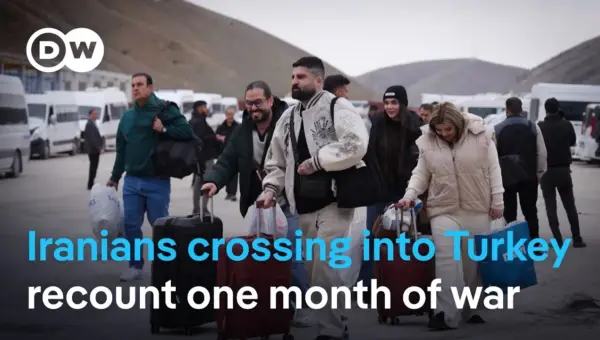
Iran War Exodus: Refugees Flee to Turkey Amidst Bombings
A train from Tehran brings refugees to Turkey, fleeing daily bombings and economic collapse. Many express deep fear for loved ones left behind, while some hold onto national pride and hope for victory. The conflict's impact is also felt economically in Turkey, with rising gas prices.