Trump Focuses on Drapes as US War Casualties Rise
President Donald Trump's focus on White House drapes during the third day of military operations in Iran has drawn sharp criticism amidst rising U.S. casualties. Legal experts and lawmakers question the legality of the conflict and the administration's shifting justifications.

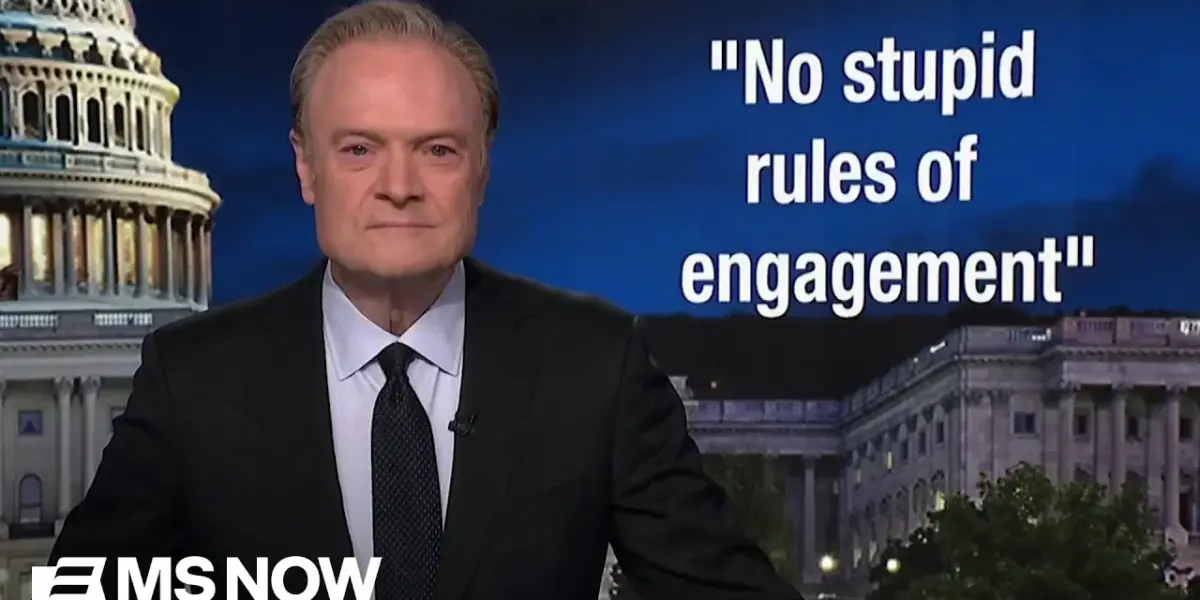
White House Remarks Highlight Disconnect Amidst Escalating Conflict
In the midst of a burgeoning conflict with Iran, U.S. President Donald Trump drew attention not to the escalating military engagement or rising American casualties, but to the decorative drapes in the White House’s East Room. On the third day of what has been widely referred to as a “war” by the administration, Trump lauded the recently selected drapery, a stark contrast to the somber realities faced by U.S. service members.
President Trump’s Priorities Questioned Amidst War
Speaking from the opulent East Room, President Trump, surrounded by service members, shifted the focus to the building’s renovations. “We’re adding on to the building a little bit, we’re improving the building. See that nice drape?” he remarked, highlighting his personal involvement in the interior design choices. “I picked those drapes in my first term. I always like gold, but I think we can save a lot of money. I just saved, I just saved curtains.” He further elaborated on his vision for a revamped ballroom, declaring it would be “the most beautiful ballroom anywhere in the world.” This commentary, made on the third day of military operations, has been met with criticism for its apparent detachment from the human cost of war. The speaker in the video noted, “The only president in history who in the third day of a war is talking to the world about drapes that he chose.”
Rising Casualties and Questionable Legal Grounds
The president’s remarks stand in contrast to statements made by his own defense secretary, who acknowledged that the “effort of this scope will include casualties” and that “war is hell.” The defense secretary also indicated that there are “no stupid rules of engagement,” a statement that has drawn comparisons to historical military conduct. The publicly announced death toll of American military personnel in the conflict rose to six by the end of the day Trump discussed the drapes, a figure he has not publicly addressed since the increase. Legal experts and lawmakers have also raised concerns about the legality of the U.S. actions. An article in Politico by former federal prosecutor Ankush Kadori argues that the U.S. attack on Iran crosses multiple legal lines, both domestically and internationally. The U.S. Constitution grants Congress the power to declare war, not the president, and the Trump administration’s actions do not appear to meet the criteria outlined in the War Powers Resolution of 1973, which requires a declaration of war, specific statutory authorization, or a national emergency created by an attack on the U.S. or its armed forces. “Trump did not even attempt to argue that any of these conditions had been met,” Kadori’s analysis suggests.
“There was no imminent threat to the United States of America by the Iranians. There was a threat to Israel. And if we equate a threat to Israel as the equivalent of an imminent threat to the United States, then we are in uncharted territory.”
Senator Mark Warner, Vice Chairman of the Senate Intelligence Committee
Shifting War Aims and Unrealistic Calls to Action
President Trump has provided shifting justifications for the conflict, including regime change. However, he has also called on the Iranian people to instigate this change themselves. “To the members of the Islamic Revolutionary Guard, the armed forces, and all of the police, I say tonight that you must lay down your weapons and have complete immunity, or in the alternative, face certain death,” Trump stated. He also urged the Iranian populace, “Stay sheltered, don’t leave your home. It’s very dangerous outside, bombs will be dropping everywhere. When we are finished, take over your government. It will be yours to take.” Critics argue these directives are unrealistic and potentially dangerous. The speaker questioned the feasibility of such calls, asking, “Lay down their arms to whom? If an Iranian soldier puts his rifle on the ground, who’s going to pick it up?” The appeal to the Iranian people to seize control of their government after the bombing concludes has been characterized as an abdication of responsibility and a departure from how previous administrations have approached similar situations.
Historical Parallels and Presidential Rhetoric
The rhetorical approach employed by President Trump has drawn comparisons to past presidential addresses during times of conflict. However, the specific framing of his appeals and the focus on personal involvement, such as his selection of drapes, are seen as unique. The article contrasts Trump’s rhetoric with that of past Republican presidents who, when launching wars, often pledged friendship to the people of the targeted nations. For instance, during the invasion of Iraq, President George W. Bush stated, “We come to Iraq with respect for its citizens, for its great civilization, and for the religious faiths they practice.” Similarly, President George W. Bush pledged American friendship to the Afghan people during operations there. The current situation, however, is marked by a focus on interior design choices from the president while the human cost of the conflict begins to mount, leaving many to question the administration’s strategic clarity and priorities.
Source: Lawrence: Trump speaks lovingly about drapes as U.S. death toll in his Iran war rises (YouTube)

Related Articles

Trump’s Iran Gambit Backfires, Exposing Hypocrisy
Donald Trump's recent military actions against Iran have ignited controversy, exposing a stark hypocrisy in Republican responses to American casualties and a betrayal of his own anti-war promises. The piece delves into the legal questions surrounding executive war-making and the erosion of public trust.

US Strikes Iran: Trump Demands “Lay Down Arms” as Kyiv Experts Aid Gulf Defense
President Trump has issued an ultimatum to Iranian forces amidst a major U.S. military operation, demanding they lay down arms or face death. The UK is enlisting Ukrainian drone experts to aid Gulf partners, while E3 nations warn of joining military action if Iran persists. The conflict raises concerns over depleted defense stockpiles.


Massie: Iran Strike Won’t Bury Epstein Files, Calls for Trump Deposition
GOP Rep. Thomas Massie argues that military actions in Iran are a distraction from the Jeffrey Epstein investigation, calling for Donald Trump's deposition. Bill Clinton's testimony offers a new perspective on Trump's past relationship with Epstein, potentially contradicting Trump's own accounts.