Trump Flirts With Host, Dodges Iran Human Rights Question
During an interview, Donald Trump deflected a question about the human rights situation in Iran. Instead of answering, he reminisced about a past lunch and complimented the interviewer's appearance. This exchange highlights a trend in political communication where personal interactions can overshadow serious global issues.

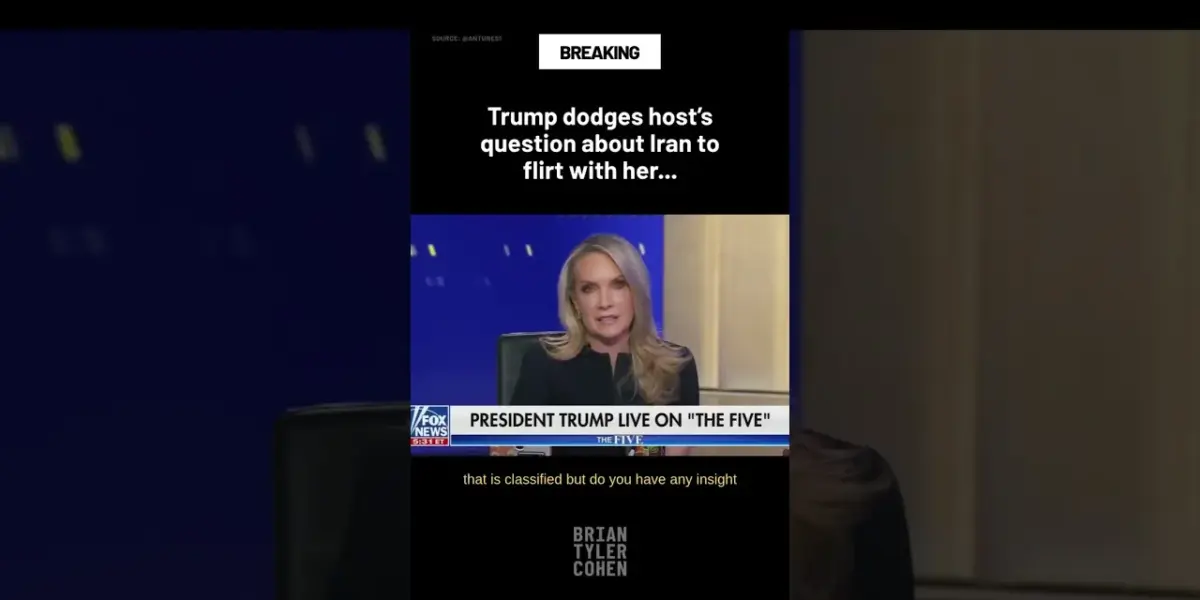
Trump Diverts from Human Rights Crisis to Compliment Host
During a recent interview, former President Donald Trump faced a direct question about the well-being of the Iranian people, who are reportedly experiencing internet shutdowns and government repression. Instead of offering insight or addressing the humanitarian concerns, Trump shifted the conversation. He reminisced about a past lunch with the interviewer and complimented her appearance.
The interviewer, who had expressed concern for the Iranian population and asked for any available information on their conditions, was met with a personal anecdote and a flattering remark. This unexpected turn highlighted a moment where a pressing global issue was sidelined for a more personal interaction.
The Interviewer’s Concern for Iran
The journalist began by noting the difficulty in hearing from the Iranian people, attributing it to potential internet shutdowns. She voiced concern about their situation, mentioning reports of their government treating them poorly and alleged killings. The interviewer then directly asked Trump if he had any insight into how the people were doing, specifically if they had access to basic necessities like drinking water and food.
Her question was framed with an understanding that classified information should not be revealed, but she sought any general insight Trump might possess. This indicated a genuine desire to understand the human impact of the political situation in Iran.
Trump’s Response: A Personal Detour
Trump’s reply took an immediate turn away from the topic of Iran. He recalled a lunch they had shared years ago at Trump Tower when the building was new. He then stated that the interviewer had not changed and might even look better, humorously noting it could end his political career to say so. This response completely bypassed the question about the Iranian people.
The interviewer acknowledged the long time that had passed since their lunch. Trump’s focus remained on the personal connection and appearance, rather than the international human rights query he had been asked.
Why This Matters
This exchange raises important questions about political communication and accountability. When leaders are asked about serious global issues, their responses can reveal priorities and communication styles. Trump’s redirection suggests a preference for personal rapport and lighter topics over potentially difficult or somber subjects.
For the public, such moments can affect how they perceive a political figure’s engagement with critical events. It prompts consideration of whether such diversions are strategic, a sign of discomfort with the topic, or simply a reflection of personality. The contrast between the interviewer’s pressing humanitarian concern and Trump’s lighthearted, personal response is stark.
Historical Context and Trends
Political figures have long used interviews to control narratives and connect with audiences. Sometimes, this involves addressing difficult questions head-on, while other times, it might involve deflection or shifting focus. Trump’s approach in this instance aligns with a pattern observed throughout his career, where he often uses humor, personal anecdotes, and direct compliments to manage interview dynamics.
This tactic can be effective in disarming interviewers and charming viewers. However, it also risks appearing to avoid substantive issues. The effectiveness of such strategies often depends on the audience and the specific context of the interview.
Implications and Future Outlook
The incident serves as a case study in how political interviews can unfold. It shows that even when faced with serious global concerns, the personal element can take center stage. This might indicate a trend towards more personality-driven political discourse, where personal interactions and likeability play a significant role in public perception.
Moving forward, voters and observers will likely continue to analyze these communication styles. The ability of political figures to pivot from serious questions to personal connections will remain a notable aspect of political engagement. The challenge for journalists is to maintain focus on substantive issues, while figures like Trump may continue to employ tactics that prioritize personal connection and charismatic deflection.
Source: OMG: Trump dodges host’s question to FLIRT with her (YouTube)

Related Articles
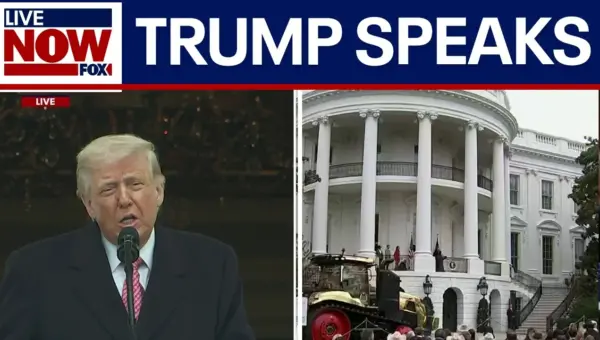
Trump Courts Farmers with Promises at White House
President Donald Trump hosted a large gathering of American farmers at the White House, highlighting his administration's support through aid packages, tax cuts, and deregulation. He pledged continued efforts to boost farm income, expand trade, and reduce equipment costs. Farmers shared testimonials, expressing gratitude for policies aimed at easing financial burdens and ensuring the future of agriculture.

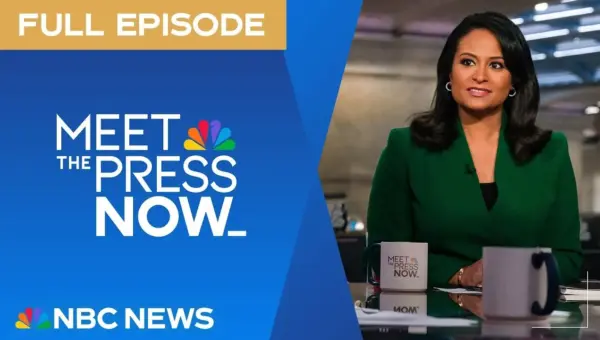
Gov’t Shutdown Grips Nation as Markets Plunge
The U.S. government shutdown continues, causing historic airport delays and deepening political gridlock as lawmakers reject compromise deals. Meanwhile, Wall Street experienced a sharp sell-off, with the Dow entering correction territory amid rising global oil prices and escalating tensions with Iran over control of the Strait of Hormuz.

Iran Bombs U.S. Planes, Escalating Mideast Conflict
Iran has directly attacked U.S. aircraft stationed in Saudi Arabia, confirmed by satellite imagery showing significant destruction. This escalation follows other recent incidents and comes amid threats of continued conflict, with officials estimating the war could last several more weeks.