Trump Flirts, Ignores Iran Crisis: A Political Misstep?
During an interview, Donald Trump deflected serious questions about the crisis in Iran by complimenting the host. This interaction raises concerns about accountability and priorities when discussing humanitarian issues.

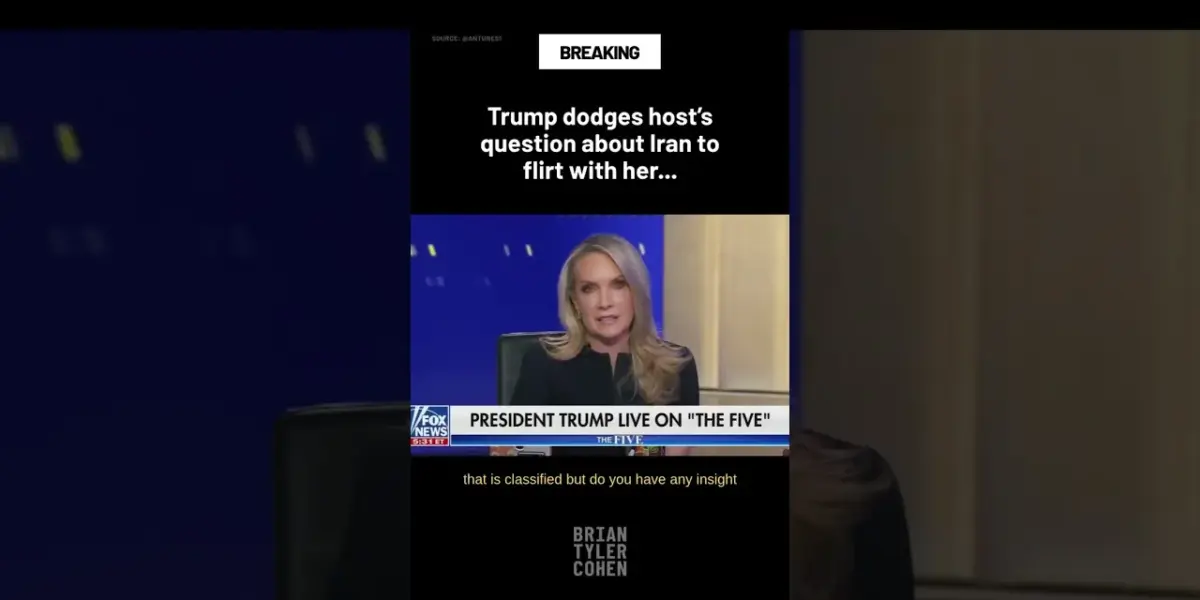
Trump Sidesteps Serious Questions for Flattery
During a recent interview, a host attempted to ask former President Donald Trump about the dire situation in Iran. The host expressed concern for the Iranian people, noting their internet was shut down and their government treated them terribly, even killing thousands. She asked if Trump had any insight into their well-being, like whether they had food and water.
Instead of directly answering the pressing questions about human rights and a potential crisis, Trump quickly changed the subject. He brought up a past lunch they shared years ago at Trump Tower. Trump then complimented the host, saying she hadn’t changed and might even look better now than she did then.
Shifting Focus from Crisis to Compliments
This interaction highlights a pattern where Trump often deflects difficult or serious questions. He seems more comfortable engaging in personal banter than addressing complex geopolitical issues. The host’s attempt to get information about the suffering of the Iranian people was met with a personal anecdote and a flirtatious remark.
The host’s question was earnest, seeking to understand the conditions on the ground for a population facing severe government repression. She specifically mentioned the lack of internet access, a common tactic used by authoritarian regimes to control information and suppress dissent. The mention of tens of thousands killed in January underscored the urgency and severity of the situation she was trying to convey.
“Do you have any insight as to how they are doing? Do they have drinking water? Do they have food?” the host asked, clearly wanting a substantive answer about the human cost of the crisis.
Why This Matters
When leaders or public figures avoid answering important questions, especially those concerning human suffering or international crises, it raises serious concerns. It suggests a lack of focus on critical issues and a potential unwillingness to engage with difficult realities. The public deserves direct answers from their leaders, not evasive tactics or personal compliments.
This incident also speaks to the nature of political discourse. Should interviews focus on policy and public welfare, or can personal interactions and compliments be part of the conversation? Many would argue that when people are suffering, the focus should remain on finding solutions and offering support, not on lighthearted personal remarks.
Historical Context and Future Outlook
Throughout his presidency and in his public appearances since, Trump has often used charm and deflection to steer conversations away from topics he finds uncomfortable or challenging. This approach has resonated with some voters who appreciate his unconventional style. However, critics argue it undermines serious debate and accountability.
The situation in Iran, as described by the host, is a humanitarian concern that requires attention from the international community. By diverting the conversation, Trump missed an opportunity to address these concerns or offer a perspective that could inform the public. This pattern of behavior raises questions about his priorities and his readiness to engage with the complexities of global affairs.
Moving forward, voters and interviewers will likely continue to grapple with this dynamic. Will candidates be expected to answer tough questions directly, or will this style of deflection and personal engagement become more common? The effectiveness of this approach often depends on the audience and the specific context, but the underlying issue of accountability remains critical.
Implications for Public Trust
When public figures avoid substantive questions, it can erode public trust. People want to feel that their leaders are focused on the issues that matter most to them and to the world. Dodging questions about a humanitarian crisis can make a leader appear out of touch or uncaring.
The Role of the Media
This interview also highlights the challenges faced by journalists. They strive to get answers to important questions, but they also face pressure to maintain a certain rapport with their interviewees. The host’s attempt to return to the topic after Trump’s deflection shows her commitment to her role, but it also illustrates how difficult it can be to keep the conversation on track.
Ultimately, the exchange raises questions about what we expect from our public figures and the media that covers them. A focus on human rights and international issues is vital, and avoiding such topics, even for a moment of flattery, can have significant consequences for public perception and understanding.
Source: Trump dodges host's question about Iran to flirt with her… (YouTube)

Related Articles


Trump Faces New Legal Setbacks Amid Court Rulings
Federal judges are blocking Trump's business tactics, while ongoing investigations into Epstein and Iran connections continue. Reports suggest internal stress within his circles due to these mounting legal pressures. This signifies a crucial test for accountability and the rule of law.


Trump’s Cognitive Test Brag Reveals Deeper Concerns
Donald Trump recently bragged about acing a difficult cognitive test, calling it a unique achievement. However, the test he described, the Montreal Cognitive Assessment, is actually a 10-minute dementia screening that doesn't involve complex math. This distinction is important for understanding the claims made by public figures about their health and fitness.


Trump Lashes Out at Fox Host as Polls Show Declining Support
Donald Trump recently attacked a Fox News host during a phone interview, seemingly in response to polling data showing declining approval ratings. Critics argue this focus on personal attacks distracts from pressing national issues like the economy and global conflicts, while also highlighting a broader trend of waning support.