Trump Flees Court as Birthright Citizenship Case Crumbles
Donald Trump's challenge to birthright citizenship faced tough questions at the Supreme Court, leading him to leave the hearing early. His arguments struggled to sway justices, raising doubts about his case's validity and highlighting ongoing debates about the 14th Amendment.

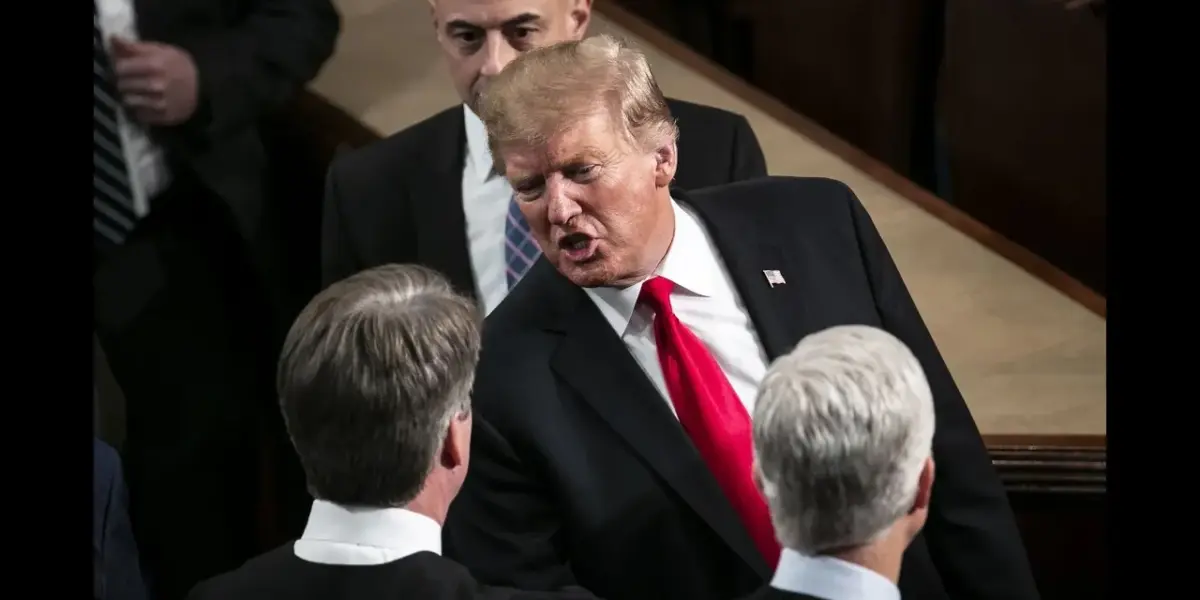
Trump Flees Court as Birthright Citizenship Case Crumbles
The Supreme Court recently heard arguments in a case challenging Donald Trump’s attempt to end birthright citizenship. This executive order, issued in 2025, aimed to stop automatic citizenship for children born in the U.S. to undocumented immigrants or temporary visa holders. The case hinges on how we interpret the 14th Amendment’s citizenship clause, which clearly states that all persons born or naturalized in the U.S. and subject to its laws are citizens. It appears Mr. Trump has a problem with this constitutional guarantee.
Arguments Fall Flat Before Skeptical Justices
During the court session, Trump’s own solicitor general, John Sauer, presented the case against birthright citizenship. However, the arguments did not seem to impress the justices, even those considered conservative. Justice Samuel Alito questioned the practical impact of the arguments, noting that the solicitor general’s interpretation might lead to unintended consequences not foreseen by the amendment’s creators.
“I think it’s uh I’d quote what Justice Scalia said in his Hamdan dissent where they have where like their interpretation has these implications that could not possibly have been approved by the 19th century framers of this amendment. I think that uh uh uh shows that they’ve made a mess their interpretation has made a mess of the provision.”
The exchange highlighted a core tension: the 14th Amendment was written in a different era, yet the Constitution remains the same. Sauer argued that the U.S. is now a global hub, with millions potentially becoming citizens by birthright. Justice Elena Kagan pointed out that the amendment was intended to address specific historical issues and should not be stretched to fit modern concerns. The debate also touched upon the status of Native Americans, with Sauer struggling to provide a clear answer on whether they would be considered birthright citizens under his proposed test.
Trump Abandons Hearing Mid-Argument
Adding to the drama, Donald Trump himself left the Supreme Court hearing before all arguments were completed. He departed for the White House while the ACLU’s legal director, Cecilia Wang, was presenting the case against his administration’s policy. This exit occurred as his side’s arguments appeared to be faltering, suggesting he may have recognized the unfavorable direction the case was heading.
A Pattern of Constitutional Disregard?
This case is not the first time Mr. Trump has faced challenges related to his interpretation of the Constitution. The video notes the Supreme Court has previously created legal interpretations, such as presidential immunity from prosecution, that seemed to benefit him. It also references the court’s decision to allow him on the ballot despite challenges based on Section 3 of the 14th Amendment, which bars individuals who have engaged in insurrection from holding office.
Trump Blames System, Not His Case
Following the hearing, Trump took to social media to express his frustration. He called birthright citizenship a policy only the U.S. would allow, labeling it “stupid.” He also preemptively blamed the court for an anticipated loss, suggesting that judges appointed by Democrats would automatically rule against him. He claimed that Republican appointees, while sometimes ruling against him, were more honorable, implying a loyalty expected by leaders.
“We are the only country in the world stupid enough to allow birthright citizenship.”
– Donald J. Trump
Why This Matters
The legal battle over birthright citizenship touches upon fundamental questions about who belongs to the nation and the very definition of American identity. The 14th Amendment was a cornerstone of post-Civil War Reconstruction, intended to ensure equal rights and citizenship for newly freed slaves. Challenging its core principle opens a complex debate about immigration, national sovereignty, and the rights of individuals born within U.S. borders.
Implications and Future Outlook
If Trump’s challenge were successful, it could dramatically alter the lives of millions of children born in the U.S. to non-citizen parents. It would create a two-tiered system of citizenship, potentially leading to widespread legal and social disruption. The Supreme Court’s decision will not only impact immigration policy but also serve as a significant statement on the enduring relevance and interpretation of the Constitution in the 21st century.
Historical Context
Birthright citizenship, rooted in English common law and enshrined in the 14th Amendment after the Civil War, has long been a settled principle in American law. While debates about immigration have always existed, the idea that someone born on U.S. soil is automatically a citizen was largely accepted until recent political challenges. This case represents a significant effort to overturn decades of legal precedent and a foundational aspect of American citizenship.
A Court Under Scrutiny
The Supreme Court itself faces scrutiny in how it handles cases involving Donald Trump. Critics argue that the court has shown a willingness to bend legal interpretations to favor him. The skepticism expressed by some justices during this hearing, even from conservative members, suggests that Trump’s arguments may not be as strong as he believes. Regardless of the outcome, the case highlights the ongoing tension between political goals and constitutional principles.
Source: Trump BAILS on Supreme Court argument as his chances PLUMMET (YouTube)

Related Articles

GOP Lawmaker Demands ‘Aggressive’ AG Replacement
GOP lawmakers are divided over border security funding as one representative calls for a more "aggressive" Attorney General. The debate over funding and the upcoming replacement for AG Pam Bondi highlight internal party struggles. Meanwhile, concerns about birthright citizenship and FEMA's low disaster fund add to the political landscape.

Trump’s NATO Insults Spark Global Outrage, Allies Push Back
Former U.S. President Donald Trump's leaked private remarks, filled with insults aimed at NATO allies, have sparked international outrage and calls for European self-reliance. The comments highlight growing concerns about U.S. reliability and the potential for a long-term split in transatlantic relations. The discussion also touched upon domestic UK issues, including NHS strikes and political shifts, alongside a unique debate on marmalade regulations.


Trump Fires AG Bondi Amidst Barrage of Personnel Changes
Donald Trump has fired Attorney General Pam Bondi, her tenure marked by controversy and a short duration. This move continues a pattern of high turnover in key positions within the Trump administration, raising concerns about legal integrity and future appointments.