Trump Fires Top Generals Amid War Chaos and Falling Polls
Top U.S. Army leadership, including Chief of Staff General Randy George, has been abruptly removed amidst ongoing conflict in Iran. The firings, coupled with battlefield setbacks contradicting official claims of dominance, raise concerns about stability and decision-making.

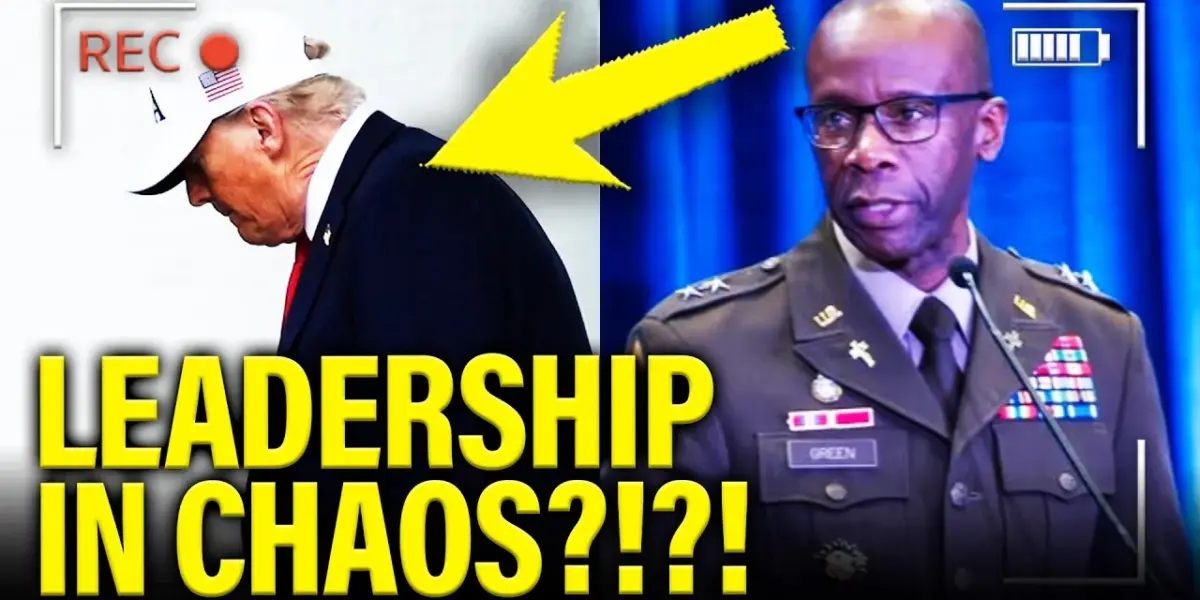
Pentagon Shake-Up Sparks Alarm Amidst Active Conflict
Defense Secretary Pete Hegst has removed the Army’s top general, Chief of Staff General Randy George, from his post. This move, along with the immediate retirement request for General George, has stunned defense officials. A defense official stated that Hegst asked General George to leave his position, a decision that has drawn criticism for its timing and potential impact on the Army’s ongoing transformation.
Questions Surround General George’s Dismissal
Many are questioning the reasoning behind General George’s removal. He is described as a generational leader with immense war-fighting experience and a deep understanding of modern warfare technology. His efforts to modernize the Army and prepare it for future challenges were seen as crucial. Critics argue that his dismissal, especially during active conflict, is detrimental to the Army’s progress and stability.
“I don’t agree with his dismissal for sure because of what he’s doing to the army and the change that’s impacting the department at large.”
Broader Leadership Purge Raises Concerns
General George is not the only senior official affected. Reports suggest a wider shake-up within the Pentagon, with Defense Secretary Hegst reportedly intervening in the promotion process. This intervention allegedly delayed or blocked promotions for over a dozen senior officers, many of whom were women and minority candidates. Some officials reportedly resisted pressure to remove these officers, and these disputes may have contributed to the leadership changes.
Timing of Firings Amidst War Creates Instability
The timing of these firings is particularly concerning. They come as the U.S. is engaged in active combat operations in Iran, with U.S. military aircraft being shot down. This critical moment requires stable command and clear leadership. Officials have warned that these actions risk disrupting command continuity when it is most needed. The situation is described as a sign of panic rather than control within the administration.
Claims of Dominance Contradicted by Battlefield Events
These events unfold as President Trump had recently claimed that Iran’s air defenses were neutralized and that U.S. forces had achieved complete dominance in the conflict. However, reports of U.S. aircraft being shot down by Iranian forces directly contradict these assertions. An Iranian news anchor even offered a reward for information on a missing U.S. airman, using the incident as propaganda against U.S. claims of air defense destruction.
Why This Matters
The forced removal of experienced military leaders during wartime raises serious questions about decision-making and priorities within the administration. The timing suggests a potential disconnect between public claims of success and the reality on the ground. Furthermore, allegations of interference in promotion processes based on race and gender, if true, point to deeper issues within the Pentagon’s leadership.
Falling Approval Ratings Add to Pressure
Adding to the turmoil, President Trump’s approval ratings have reportedly hit the lowest point of his second term, and are historically low compared to other presidents at similar stages. This decline comes as the war in Iran faces increasing public opposition. The administration’s handling of both the military situation and its leadership changes may be contributing to this dip in public confidence.
Historical Context and Future Outlook
This situation echoes past instances where political considerations have clashed with military operational needs. The current events highlight the challenges of maintaining military effectiveness when leadership is perceived as unstable or influenced by factors other than strategic necessity. The long-term implications for military readiness, troop morale, and international perception remain to be seen. The transparency and accountability regarding these leadership decisions will be crucial in rebuilding trust and ensuring effective governance moving forward.
Key Figures and Their Roles
- Defense Secretary Pete Hegst: Initiated the removal of General Randy George and other senior officers.
- General Randy George: Army Chief of Staff, described as a highly experienced and transformative leader, now asked to retire immediately.
- President Trump: Faced with battlefield setbacks and declining approval ratings, and reportedly directed the Pentagon’s actions.
The coming days will be critical in understanding the full impact of these leadership changes and the administration’s response to the ongoing conflict and its challenges.
Source: Trump PANICS as MASS MILITARY FIRINGS cause CHAOS (YouTube)

Related Articles


Trump’s Birthright Citizenship Plan Risks Undoing Progress
Kermit Roosevelt III, a constitutional law professor, argues that Donald Trump's challenge to birthright citizenship echoes post-Civil War efforts to undermine civil rights. The debate centers on the 14th Amendment's "subject to the jurisdiction" clause, with Roosevelt asserting the administration's interpretation is historically inaccurate and legally unsound. He believes the Supreme Court will likely reject the argument, but warns of broader implications for national identity and civil rights.

Top General Slams Trump’s War Strategy and Leadership
Former Joint Chiefs Chairman General CQ Brown Jr. has publicly criticized Donald Trump and Pete Hegesith, citing concerns over war planning, leadership, and the erosion of trust. His remarks highlight issues with military strategy, the role of AI in warfare, and the importance of civilian-military connection.
Vance Visits Hungary: A ‘Model’ for Trump’s America?
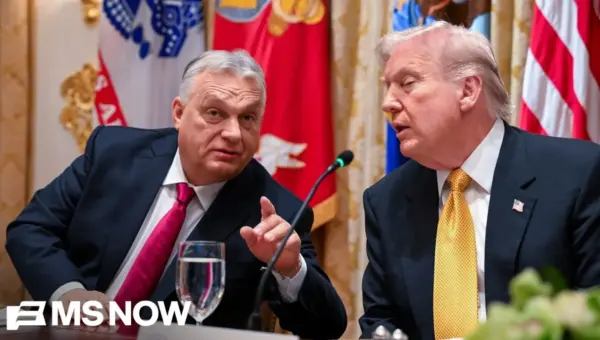
Vice President J.D. Vance's visit to Hungary signals support for Prime Minister Viktor Orban, raising questions about the U.S. embrace of Orban's governance model. Expert Anne Applebaum criticizes the move, linking it to a MAGA agenda for a European right-wing alliance and highlighting Orban's record of corruption and authoritarianism. The visit occurs amid concerns about Hungary's alignment with Russia and its impact on NATO cohesion.