Trump Faces Setbacks as Allies Shift on Iran War Funding
House Republicans have abandoned Donald Trump's hardline stance on immigration funding, agreeing to a Senate-backed plan for the Department of Homeland Security. This concession follows significant legal setbacks for Trump at the Supreme Court and mounting public disapproval of his handling of the Iran war.

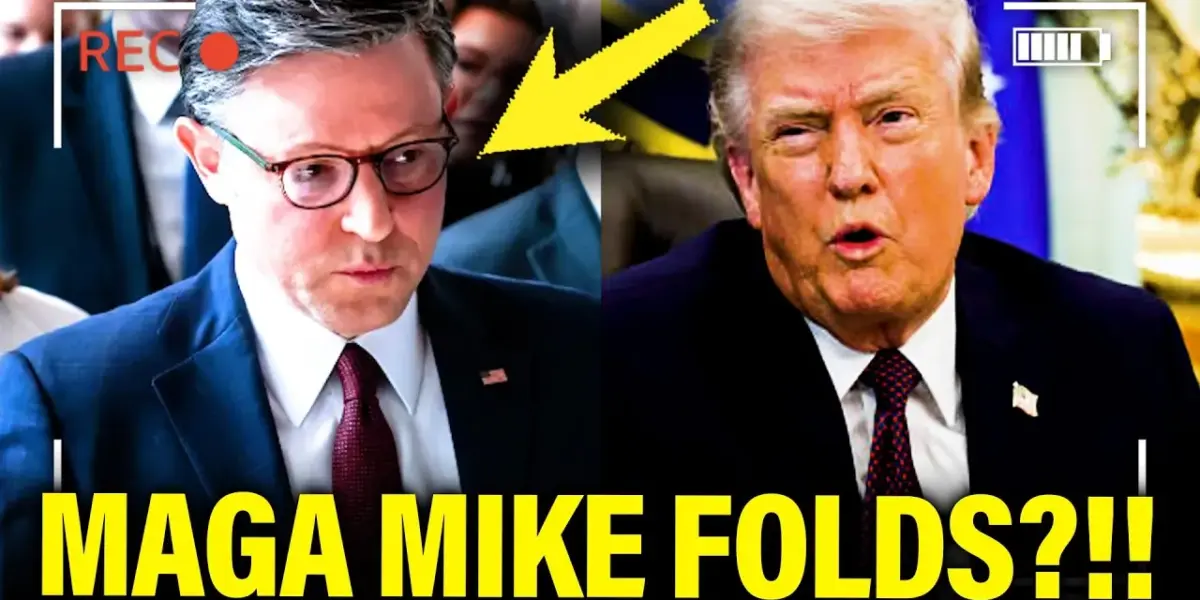
GOP Capitulates on Funding, Undermining Trump’s Stance
House Republicans, led by Speaker Mike Johnson, have agreed to a Senate plan to fund the Department of Homeland Security. This move effectively ends a weeks-long resistance that was largely driven by Donald Trump’s directive to avoid any deals with Democrats. The original Senate bill, passed unanimously, was presented to Trump, who rejected it, insisting on no compromises. Despite this, Republicans have now adopted the very same framework they previously opposed.
Supreme Court Rejection and Legal Troubles Mount
The funding fight wasn’t the only blow Trump faced. Earlier, a federal judge blocked a Trump-backed effort to allow churches to endorse political candidates without losing tax-exempt status. The judge, a Trump appointee, ruled the court lacked the authority to approve the agreement. This came just before Trump’s appearance at the Supreme Court. He was there to argue against birthright citizenship, a concept tied to the 14th Amendment. Instead of support, he faced tough questions from conservative justices, including Chief Justice John Roberts. Roberts pointedly stated, “It’s a new world. It’s the same constitution,” pushing back against arguments that changing times justify altering fundamental legal principles.
Public Opinion Turns Against Iran War
Adding to the pressure, new polling reveals significant public disapproval of Trump’s handling of the war in Iran. Only a third of Americans approve of his leadership on this issue, with two-thirds disapproving of the military action. Opposition has grown, and most Americans believe the conflict could become long-term. Nearly seven in ten oppose sending U.S. ground troops, and a similar majority reject authorizing billions more for military action. This widespread discontent comes as Trump prepares to address the nation on the war, a conflict that has not been clearly explained to the public.
Political Fallout and Shifting Alliances
The decision by House Republicans to fund Homeland Security, despite Trump’s earlier objections, highlights a growing disconnect. This funding standoff, which Trump pushed for, led to a partial government shutdown. During the shutdown, TSA workers went unpaid, and airport operations faced significant disruptions. Polls showed that a majority of Americans blamed Republicans for the shutdown. By accepting the Senate’s funding proposal, Republicans appear to be prioritizing the reopening of federal operations over Trump’s hardline stance. This concession suggests a potential shift in loyalty, as Republican leaders move forward with a deal they once vehemently opposed under Trump’s direction.
Why This Matters
This series of events shows a president facing significant internal and external challenges. The willingness of House Republicans to move forward with funding despite Trump’s directives indicates that political realities and public opinion may be starting to outweigh his influence. The Supreme Court setbacks suggest his legal arguments are not gaining traction, even with his own appointees. Furthermore, the strong public opposition to the Iran war puts him in a difficult position as he prepares to address the nation. These developments could signal a weakening of his political standing and a growing dissatisfaction with his leadership, both within his party and among the electorate.
Historical Context and Trends
The debate over birthright citizenship touches on the interpretation of the 14th Amendment, passed after the Civil War to grant citizenship to formerly enslaved people. Arguments against birthright citizenship often arise during periods of high immigration or national anxiety. Similarly, funding battles over government operations, particularly those involving border security and immigration, have been a recurring theme in recent political history. These standoffs often expose deep divisions within Congress and put pressure on the executive branch. The current situation echoes past instances where presidential directives clashed with legislative action, leading to shutdowns and political concessions.
Implications and Future Outlook
The recent events suggest a potential shift in the political landscape. As Trump faces legal battles and declining approval ratings, particularly regarding the Iran war, his ability to command unwavering loyalty from his party may be tested. The Republican party’s decision to fund Homeland Security without Trump’s full backing could be a sign of increasing independence among some GOP leaders. Looking ahead, Trump’s address on the Iran war will be crucial in shaping public perception, but it faces an uphill battle against widespread public skepticism. The upcoming months will likely reveal whether these setbacks are temporary or indicative of a more significant erosion of Trump’s political power and influence.
Source: MAGA Mike abruptly ABANDONS Trump before IRAN ADDRESS (YouTube)

Related Articles

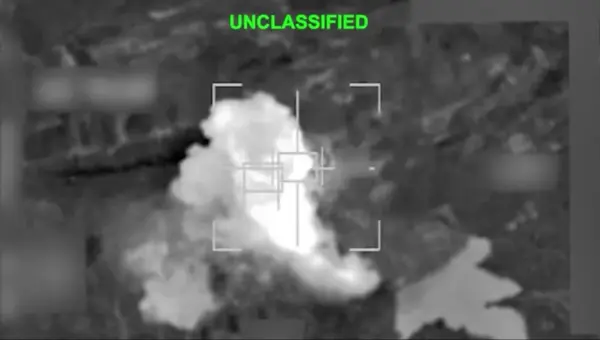
US Strikes Iran Hard: Is the War Shifting?
The US has significantly increased its military strikes against Iran, hitting over 12,300 targets. This action appears to be reducing Iran's attacks, but Tehran vows to continue supporting its regional allies. Meanwhile, President Trump's questioning of NATO adds another layer of global uncertainty.
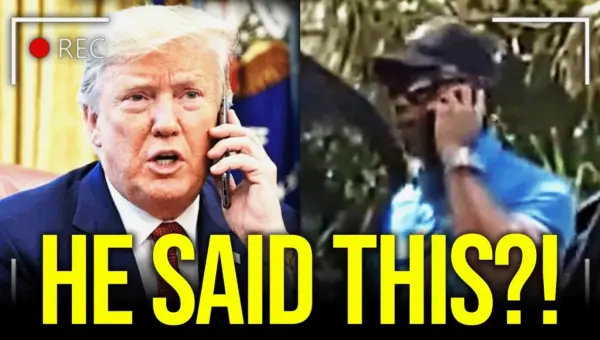
Tiger Woods Called Trump After Crash, Seeking ‘Daddy’s’ Help
Tiger Woods' immediate call to then-President Donald Trump after a near-fatal car crash and DUI arrest has sparked debate. The incident suggests a perception that powerful connections could offer a 'get out of jail free' card, raising questions about influence and the rule of law.

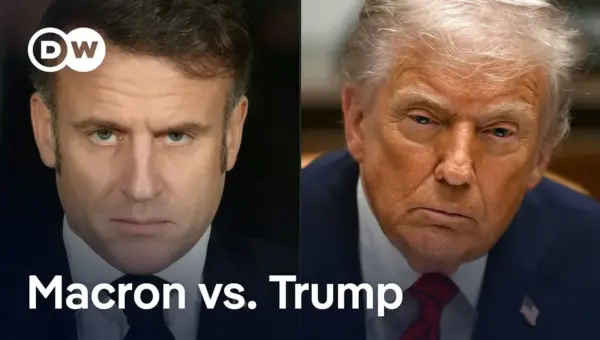
Macron Rejects Trump’s War Talk, Defends Diplomacy
French President Emmanuel Macron has sharply criticized Donald Trump's stance on Iran and NATO, advocating for diplomacy over military action in the Strait of Hormuz. Macron warned that a forceful approach would be unrealistic and could escalate regional conflict. The comments highlight a growing divergence in worldviews and France's continued push for European strategic autonomy.