Trump Faces MAGA Backlash Over Iran Conflict
Donald Trump is facing a significant backlash from within his own political base over the recent military action in the Middle East. Critics, including prominent conservative voices, are labeling it a "war of choice" that betrays campaign promises to end endless wars. This internal revolt comes as polls show declining approval for Trump and strong Democratic turnout in recent elections.

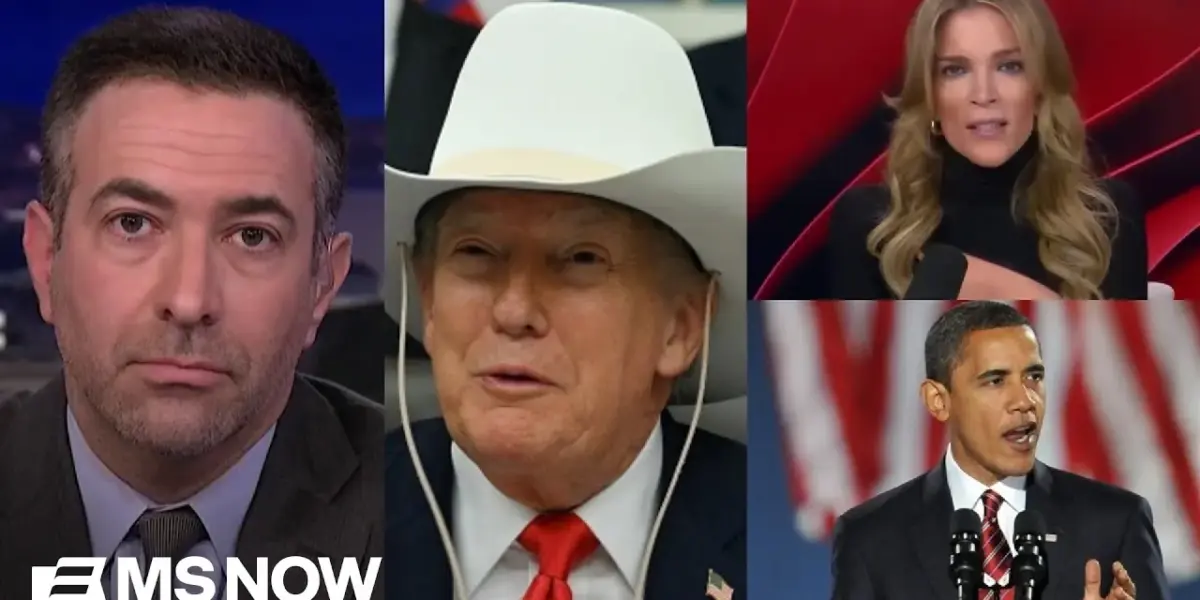
Trump Under Fire as ‘MAGA Revolt’ Erupts Over Iran Conflict
Donald Trump is facing a significant backlash from within his own political base following his administration’s decision to launch a surprise military action in the Middle East. The move has ignited questions about the long-term strategy, policy planning, and the evolving justifications for U.S. involvement, leading to a growing national dissent.
Escalating Regional Tensions and U.S. Involvement
The situation in the Middle East has rapidly intensified, with NATO reporting the downing of an Iranian ballistic missile headed for Turkey. The United Kingdom and France have deployed naval and air assets, signaling a deepening international involvement. What began as a regional conflict is now teetering on the brink of a wider war, with multiple nations engaged in military actions.
The instability has directly impacted American citizens in the region, many of whom are desperately trying to evacuate. Accounts from those on the ground describe a terrifying and uncertain environment, with Americans feeling trapped and helpless. “We’re Americans stuck in a situation that we didn’t create, we have no control over, and we want to go home,” expressed one individual, highlighting the profound personal toll of the escalating conflict.
Tragically, the military action has also resulted in American casualties. Six individuals have been publicly identified, with four confirmed by the U.S. government. The circumstances surrounding these deaths have drawn particular criticism, as reporting suggests the tactical operations center in Kuwait where some personnel were stationed had inadequate protection from aerial strikes.
Pentagon Defends Actions Amidst Criticism
In response to mounting scrutiny, the Pentagon has defended its operations, with the Defense Secretary asserting control over Iran’s airspace and waterways without deploying ground troops. He characterized critical press coverage of drone incidents and casualties as overlooking the broader strategic successes. “The press only wants to make the president look bad, but try for once to report the reality,” he stated, in remarks that were perceived as defensive by many.
Despite these justifications, the deaths of American service members have been widely covered, with many outlets highlighting the lack of an apparent agenda against Trump. The criticism is not confined to external observers; a significant segment of the political right, including prominent voices, has voiced strong opposition.
‘MAGA Revolt’ Against a ‘War of Choice’
A notable ‘MAGA revolt’ is underway, with critics arguing that the current conflict is “Israel’s war, not the United States’ war.” Influential figures such as Mark Levin, Ben Shapiro, Lindsey Graham, and Miriam Maddelson have echoed this sentiment. The core of the dissent stems from a perceived betrayal of Trump’s 2016 and 2024 campaign promises to end “endless wars” and avoid larger regional conflicts.
Prominent conservative commentators, including Tucker Carlson and Megyn Kelly, have amplified these concerns. The argument is that Trump, who campaigned on an anti-war platform, is now engaging in a “war of choice” without adequate public consultation or preparation. This shift is seen by many in his base as an open betrayal of their core values and expectations.
Political Ramifications and Electoral Concerns
The decision to engage in a major Middle East conflict so close to an election year is viewed as a significant political misstep. Historically, such actions can be detrimental to a party’s electoral prospects, particularly when the public is not fully aligned with the rationale. The current political landscape is already challenging for Republicans, with recent off-year elections showing strong Democratic turnout.
Examples from states like Texas and North Carolina illustrate this trend. In Texas, despite Senator John Cornyn facing a runoff against Ken Paxton amidst corruption allegations, Democratic turnout reached its highest in 20 years. Talerico, a Democratic candidate, expressed optimism, stating, “The people of our state gave this country a little bit of hope.” Similarly, North Carolina is witnessing an “enthusiasm gap” favoring Democrats.
Furthermore, recent polling indicates a decline in Trump’s approval ratings. An Economist/YouGov poll shows his disapproval at 59%, with his approval rating falling. This comes amidst a series of political setbacks for Trump, including rejections of his immigration policies, limitations on his executive actions, and the ongoing impact of high inflation, which has eroded support for his signature economic policies.
Historical Parallels and Opposition to War
The current situation draws parallels to past U.S. military interventions, particularly the Iraq War. Former Governor Howard Dean, who rose to national prominence with his early opposition to the Iraq War, commented on the administration’s actions. He noted the danger of a leader acting without clear strategy or public backing, drawing a distinction between national defense and preemptive war.
Dean also addressed the complexities of leadership and the perception of success. “The capture of Saddam is a good thing… But the capture of Saddam has not made America SAFER,” he stated, emphasizing that removing a leader does not automatically guarantee improved security. He further criticized the current administration’s capacity for leadership, describing its approach as characterized by “bombast” and a disregard for legalities. “The biggest problem, I think, Trump faces is he doesn’t have the American people behind him and he’s violated the law and the Constitution. You do not launch attacks of this nature, which is an all-out war without Congress,” Dean asserted.
The Democratic Party’s response has also been scrutinized. While some acknowledge a “Vietnam syndrome” among the public regarding military intervention, there is a perceived reluctance to strongly oppose the current conflict, even as anti-war sentiment appears to be growing. The article contrasts this with Barack Obama’s successful 2008 campaign, which capitalized on public weariness with prolonged wars.
Public opinion data shows widespread initial opposition to the recent military action, with roughly 59% of Americans expressing disapproval. This contrasts sharply with the justifications offered for the Iraq War, which was based on pretexts about weapons of mass destruction that were later proven false. The article posits that, unlike the Iraq War, the current conflict lacks clear public support and a coherent strategic explanation from the president.
Netanyahu’s Influence and Strategic Uncertainty
The article suggests that Israeli Prime Minister Benjamin Netanyahu may have played a significant role in convincing Trump to initiate the recent military action. Netanyahu is described as being “a lot like Trump except he’s smarter and more cunning,” implying a strategic manipulation that led to the current escalation. The lack of clear strategic thinking and the fear among advisors to deliver unwelcome news further compounds the uncertainty surrounding the administration’s motivations and objectives.
Looking Ahead: The Political Fallout
As the midterms approach and the conflict in the Middle East continues to unfold, the political fallout for Donald Trump and the Republican party remains a significant concern. The ‘MAGA revolt’ signals a potential erosion of base support, while broader electoral trends suggest a challenging environment. The administration’s ability to articulate a clear strategy and garner public support for its actions in the Middle East will be critical in navigating the upcoming political landscape.
Source: 'Warmonger' Trump faces polling crash amid MAGA revolt (YouTube)

Related Articles
Trump to Endorse in Texas Senate Race Amid GOP Warnings
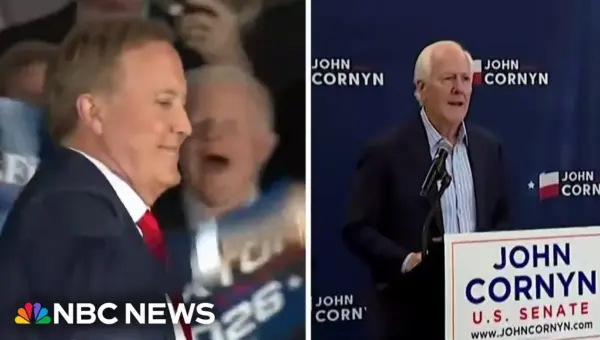
Former President Donald Trump announced he will soon endorse a candidate in the Texas Republican Senate primary, a move that could settle a heated contest between incumbent John Cornyn and embattled Attorney General Ken Paxton. The endorsement comes amid warnings from GOP leaders that Paxton's controversies could endanger the crucial Senate seat.
DOJ Abandons Biden Autopen Investigation Amid Legal Doubts
The Justice Department has reportedly closed its investigation into former President Joe Biden's use of an autopen to sign documents, citing a lack of a clear criminal charge. Legal experts had questioned the basis of the probe, which was initiated under the Trump administration. The decision marks a setback for those seeking to prosecute Biden's actions.

US Escalates Iran Conflict Amidst Voter Skepticism
The U.S. has escalated military operations in Iran, facing growing domestic skepticism according to new NBC News polling. While the administration defends its actions, citing national security threats, a majority of voters disapprove of the President's handling of the crisis. Efforts to evacuate Americans and congressional oversight of the conflict are also in focus.