Trump Faces Legal Hurdles in New Trade Offensive
Donald Trump's trade strategy faces new legal challenges after the Supreme Court limited his ability to impose broad tariffs. He must now use the slower, more structured Section 301 process, which strains the U.S. Trade Representative's office. This shift could reshape U.S. trade policy and global economic relations.

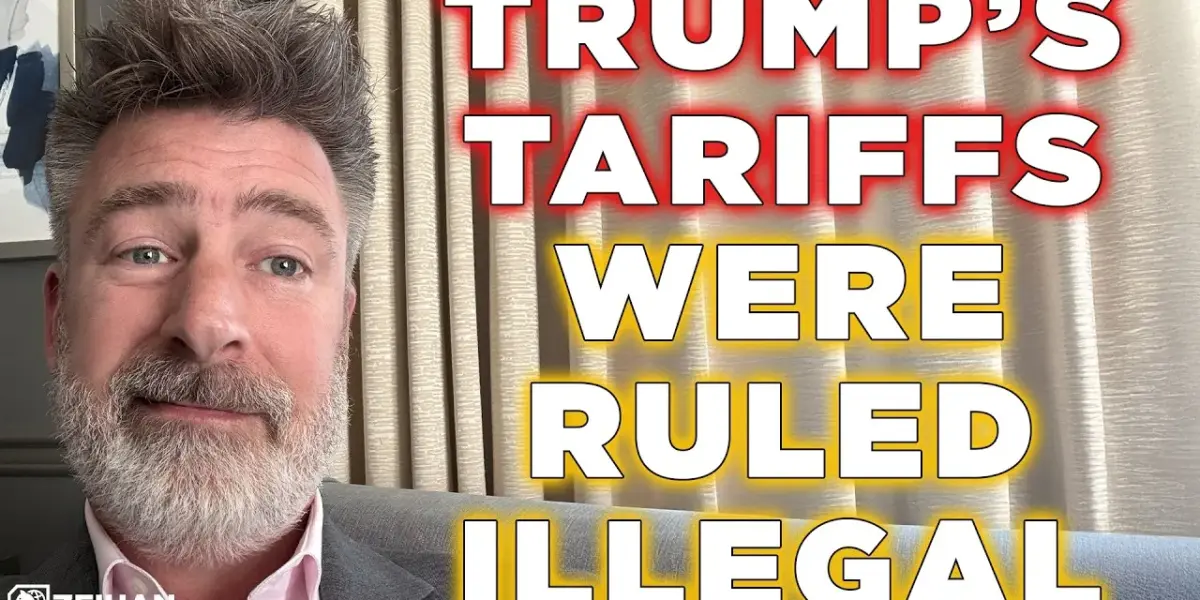
Trump’s Trade Strategy Shifts Amid Legal Setbacks
Former President Donald Trump’s approach to international trade is facing significant changes following a recent Supreme Court ruling. The court decided that Trump’s previous use of broad tariffs, which he declared as emergency measures against nearly every country, was an illegal and unconstitutional overreach of presidential power. This means presidents generally cannot impose tariffs without Congress’s explicit permission, unless specific laws allow it.
Section 301: A New, Slower Path for Tariffs
This ruling forces Trump to consider a different strategy: Section 301 of the Trade Act of 1974. This law offers a more structured way for a president to address unfair trade practices. A president can investigate if a country is breaking American trade laws or agreements. This process involves gathering public comments from businesses and consumers. After reviewing all the evidence, a finding is made. This finding then becomes a tool for negotiations with the offending country. If talks fail, tariffs or other penalties can be used. This method is legally sound and follows established procedures, but it takes much longer than Trump’s previous, more impulsive actions.
Challenges for Trump’s New Strategy
Trump’s new reliance on Section 301 faces two main problems. First, the process requires a solid case based on evidence, not just personal annoyance. Trump often used tariffs quickly on anything that bothered him internationally, like a country’s trade policies or even personal disagreements. The Supreme Court has now made it clear this kind of arbitrary action is not allowed. Building a case through investigations and public comments can take many months.
Second, the responsibility for these Section 301 actions falls on the U.S. Trade Representative (USTR) office. Currently, the USTR is led by Jameson Lee, who is well-trained. However, the USTR office has been weakened. Under President Biden, it didn’t focus on new free trade deals, leading to staff cuts. When Trump was in office, further staff reductions occurred, and these losses have not been fully replaced. This means the USTR office likely doesn’t have the staff to handle more than one major Section 301 investigation at a time. Trump has already started investigations on major trading partners like Canada, Japan, South Korea, the European Union, and Mexico, in addition to China. This limited capacity could slow down his plans considerably.
Overburdened Agency and Missed Opportunities
The USTR’s workload is already heavy. Besides handling new investigations, the office is also responsible for negotiating and renegotiating existing trade deals. For example, the U.S., Canada, and Mexico recently began talks to update their trade agreement, which replaced NAFTA. Mexico and Canada are the U.S.’s top two trading partners. The future of American manufacturing, farming, and energy industries is closely tied to these North American trade relationships. Now, the USTR must manage these crucial ongoing negotiations while also juggling potentially a dozen or more Section 301 investigations and the resulting diplomatic efforts. This divided focus could strain the agency and delay progress on all fronts.
Why Not Go to Congress?
An alternative for Trump would have been to ask Congress for new trade negotiation authority. This is known as Trade Promotion Authority (TPA). Presidents have historically used TPA to get Congress’s backing for trade deals, allowing them to negotiate more freely. However, Trump often avoids going to Congress. He dislikes having to publicly state his goals and face potential rejection in a vote. This was difficult even when he had strong majorities in the House and Senate during his previous term.
Since then, Trump’s influence within the Republican party has shifted. He has had trouble finding people from outside politics to fill government roles, partly because many business leaders don’t share his specific views. This has led him to rely more on loyal political allies in Congress. However, this reliance has reduced his party’s majorities. With a narrower margin, and with enough Republicans in Congress who prioritize business and trade interests, it is uncertain if Trump could win approval for his trade agenda. This political reality appears to force him into using the existing legal system, even though he dislikes its constraints.
Global Impact: A Slower, More Complex Trade Battle
The shift from broad, immediate tariffs to the slower, legalistic Section 301 process signals a significant change in how the U.S. might conduct trade policy. While this approach is more constitutionally sound, it introduces delays and requires substantial resources. The USTR’s limited capacity means Trump cannot pursue all his trade objectives simultaneously. This could give other countries more time to adapt or negotiate. It also highlights the ongoing tension between executive power and congressional authority in U.S. trade policy. The world order is shaped by these internal U.S. policy dynamics. A U.S. focused on lengthy trade investigations might have less bandwidth for other international issues.
Historical Context
The use of Section 301 dates back decades and has been employed by various administrations to address trade grievances. However, Trump’s previous use of broad, unilateral tariffs was a departure from typical diplomatic and legal trade dispute resolution. The Supreme Court’s decision reaffirms the importance of congressional power in trade matters, echoing historical debates about the balance of power between the branches of government. The last time a president sought broad trade negotiation authority from Congress was under George W. Bush, showing how rare such requests have become.
Economic Leverage
Tariffs are a key tool of economic leverage, but their effectiveness depends on how they are applied. Trump’s previous use of tariffs on a wide scale aimed to pressure many countries at once. The Section 301 process allows for more targeted economic pressure, but it takes time to build the case and implement measures. This means immediate economic disruption may be less likely, but the threat of future tariffs remains. The USTR’s capacity also affects how quickly economic pressure can be applied, potentially influencing global supply chains and trade flows.
Future Scenarios
One scenario is that the USTR manages to effectively handle multiple Section 301 cases, leading to targeted trade actions against several countries over time. Another possibility is that the USTR’s limited capacity causes significant delays, reducing the impact of Trump’s trade agenda. A third scenario involves Trump seeking alternative ways to exert economic pressure if the Section 301 process proves too slow or ineffective. Ultimately, Trump’s ability to achieve his trade goals will depend on navigating both the legal requirements and the bureaucratic limitations of the U.S. system.
Source: Trump Gets Introduced to Section 301 || Peter Zeihan (YouTube)

Related Articles
CPAC Crowd Cheers Impeachment, Stuns Trump Allies
At the recent CPAC conference in Texas, attendees surprised many by cheering for impeachment hearings, signaling potential divisions within the conservative base. The event also highlighted voter frustration over issues like ongoing wars and affordability, with some considering not voting.
Supreme Court Cases Threaten Rights, But Congress Holds a Fix
The Supreme Court's recent hearings on mail-in ballots and asylum suggest rulings that could restrict voting access and limit refugee claims. However, these decisions are based on statutes, giving Congress the power to enact fixes if Democrats regain power, potentially safeguarding these rights.
Polls Spell Doom: Republicans Face Voter Backlash
New polling data reveals a sharp decline in public confidence regarding the economic impact of Republican policies, particularly under Donald Trump. A significant majority now feel financially worse off, a trend that is especially pronounced among independent voters. This economic discontent poses a major challenge for the Republican party heading into future elections.