Trump Faces Iran War Dilemma Amidst Rising Oil Prices
Rising oil prices and domestic unease are creating a complex dilemma for President Trump regarding the ongoing conflict in Iran. While U.S. and Israeli objectives diverge, the potential for democratic change within Iran is being weighed against the risks and complexities of intervention.

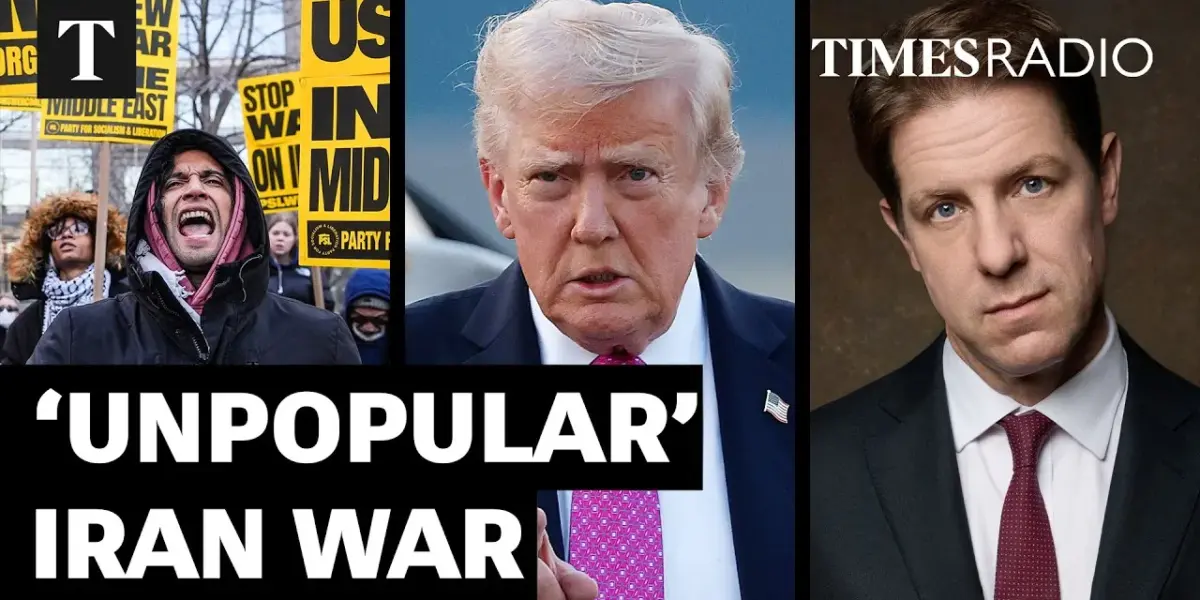
US Commander Faces Tough Choices as Iran Conflict Escalates
The escalating conflict in Iran presents a complex geopolitical challenge for the Trump administration, with rising oil prices and domestic public opinion potentially influencing U.S. strategy. The current military actions, while targeting key Iranian military sites, have drawn a distinction between American and Israeli objectives, raising questions about the long-term goals and potential outcomes of U.S. involvement.
Divergent War Aims: America vs. Israel
While the United States has focused on striking major military installations, Israel appears to be adopting a strategy aimed at bolstering internal dissent within Iran. This approach targets key figures and institutions associated with the regime’s security apparatus, with the apparent aim of enabling and supporting potential uprisings. The transcript highlights that Israeli efforts are concentrated on Tehran, seeking to identify vulnerabilities within the secret police and provide avenues for a successful popular revolt.
“The Israelis are more thinking, okay, how can we help protesters rise up? So the Israelis are going for um targets in Tyran. They’re going for the kind of um the the secret police to work out that if there was going to be an uprising, how could you give that uprising the best chance of success?”
Economic Repercussions and Political Pressure
The conflict’s impact on global oil prices is a significant concern. Iran’s strategy appears to hinge on its ability to inflict an “unpayable economic price” on the United States by disrupting oil supplies, particularly through the Strait of Hormuz. This tactic, if successful, could embolden the Iranian regime and lead to increased domestic pressure on President Trump, especially with midterm elections on the horizon. The transcript notes the public’s growing unease as gasoline prices climb.
“The Iranians are reckoning they can inflict this unpayable economic price in America. So if they were to stay in place, they would be incredibly emboldened. They would say that America can give us everything they’ve got and all we needed to do was shut down the straits of put push the oil price up and the Americans will go away.”
The Question of Regime Change and Democratic Aspirations
A central theme in the analysis is the potential for regime change in Iran and the broader implications for the region. The transcript questions whether the current U.S. strategy is geared towards genuine regime transformation or merely “regime editing,” drawing parallels to past interventions like Venezuela. There is a recognition that achieving regime change is fraught with difficulty, as evidenced by experiences in Iraq and Afghanistan. However, the piece also points to a significant internal desire for democracy within Iran, citing large-scale protests earlier in the year and external polling data suggesting widespread support for democratic reforms.
The Role of the U.S. and the Future of Iranian Democracy
The author expresses a concern that the U.S. may be missing a critical opportunity to support the nascent democratic movement within Iran. While acknowledging the difficulties and historical precedents, the argument is made that Iran’s unique cultural and educational landscape might offer a different trajectory compared to other nations in the region. The potential for an Iranian democratic movement to reshape the Middle East, fostering peace with its neighbors and Gulf States, is presented as an optimistic, albeit challenging, prospect.
“The question is whether America’s got the patience to push it and to see is democracy worth a chance in Iran or shall we just go back to where we came from and leave the millers to contain it all like a pressure cooker.”
A Call for U.S. Support Amidst Uncertainty
The analysis concludes with a call for the United States to provide more substantial support to the Iranian people seeking change. The author suggests that if the U.S. is calling for an uprising, it should provide the necessary air cover and support to give protesters a realistic chance of success, rather than leaving them vulnerable to suppression. The article implies that a failure to act decisively could be a missed opportunity, potentially leaving the Iranian population to languish under a repressive regime.
Looking Ahead
As the conflict unfolds, the international community will be closely watching President Trump’s response to the escalating economic pressures and the evolving situation on the ground in Iran. The administration’s ability to navigate these complex challenges, balancing military objectives with the potential for democratic change and managing domestic political considerations, will be critical in shaping the future of the region.
Source: Fraser Nelson: Rising Oil Prices Could Scare Off Trump As Americans Decry Iran War (YouTube)

Related Articles
Trump’s Fabricated Deals Fuel Doubts About His Leadership
Donald Trump's recent claims about negotiating custom markers and success with Iran have been met with strong denials from the involved parties. These fabrications raise serious questions about his leadership and ability to provide accurate information, impacting national security and economic stability.


Israelis Brace for War: Missile Alerts Disrupt Daily Life
Israeli citizens are enduring a fourth week of war with Iran, marked by constant missile alerts and frequent trips to bomb shelters. While a majority support the ongoing conflict, the daily disruption and uncertainty are taking a toll, with some questioning the war's ultimate goals and advocating for diplomatic solutions.


Trump Derails Bipartisan Deal, Halts Government Funding
Senate Republicans united on a funding bill for the Department of Homeland Security, but Donald Trump's opposition led House Speaker Mike Johnson to kill the deal. This political maneuver left TSA workers unpaid and highlighted the influence of personal directives over legislative progress.