Trump Faces Iran Crisis: A ‘Right Old Mess’ With No Easy Exit
William Hague describes the current US-Iran tensions as a "right old mess" with no easy solution. He argues that achieving a deal is harder now, as Iran has demonstrated its leverage through the Strait of Hormuz. The conflict's economic impact and the complex geopolitical factors leave President Trump facing difficult choices.

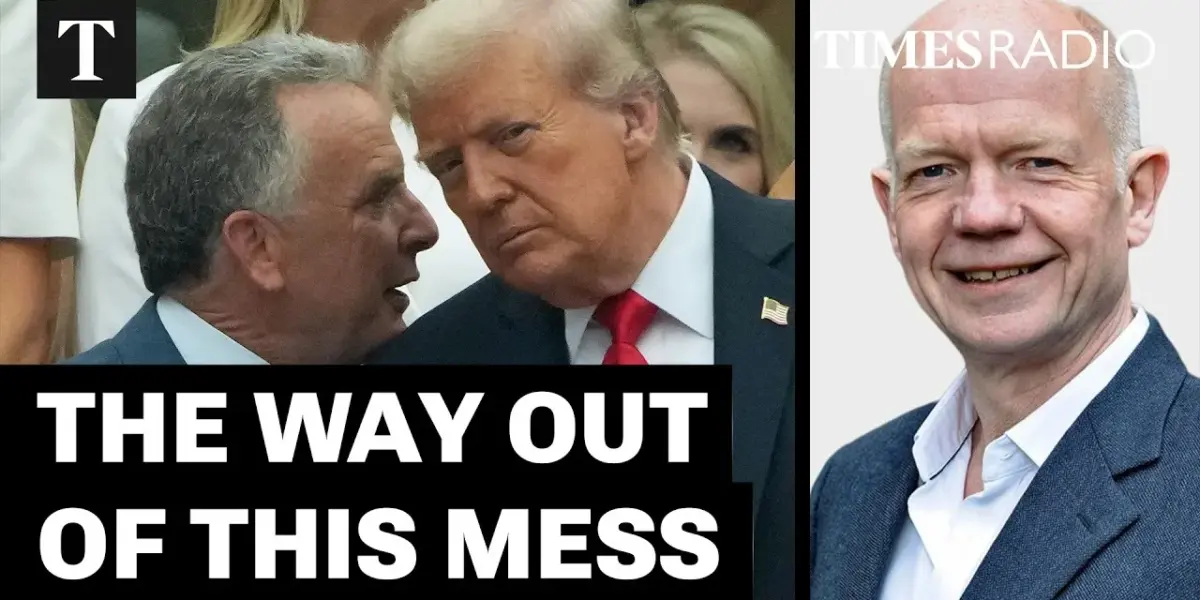
Trump’s Iran Dilemma: A Complex Web
The current tensions between the United States and Iran have created a deeply complicated situation, described by former Foreign Secretary William Hague as a “right old mess.” Hague suggests that President Donald Trump now recognizes the severity of the crisis and is actively seeking a way out. However, he argues that achieving a favorable deal with Iran is proving more difficult than before the recent escalation.
Why a Deal is Harder Now
William Hague explains that the Iranian leadership is in a less flexible position following recent attacks. They feel a need to appear strong to their own people and may be less willing to compromise. Furthermore, Iran has demonstrated its ability to disrupt global oil supplies by threatening the Strait of Hormuz. This gives them significant economic leverage, which they are unlikely to give up easily.
“The Iranian leadership will be in less of a position to make a deal. You know, they’re now they’re decentralized. They are they’ve been attacked obviously and they have to show their own people they’re victorious and they won’t be as easily able to make a decision as before.”
— William Hague
Iran’s Unexpected Strength
Hague points out that Iran has proven it can significantly impact global oil prices by threatening the Strait of Hormuz. This ability had not been truly tested before. This discovery of their strength means they may not feel pressured to accept all of Trump’s demands, making a comprehensive deal difficult to achieve. The situation leaves Trump with a difficult choice: either escalate the conflict further or find another way to step back.
The High Cost of Escalation
If Trump chooses to declare victory and withdraw, the world may be in a worse state than when the conflict began. The crisis has already disrupted economies, leading to higher oil and gas prices. Iran, despite facing setbacks in some areas, may feel emboldened. The overall outcome could be a costly conflict that fails to achieve its intended goals, leaving the world less stable.
Underestimating Iran’s Response
Commentators suggest that Trump may have underestimated several key factors. These include the extent of Iran’s potential response, the economic consequences of the conflict, and Israel’s independent objectives. He may also have overestimated his ability to control allies and overestimated the international support he would receive.
The Argument for Intervention
One perspective suggests that actions taken against Iran have been beneficial. Proponents of this view argue that leaders responsible for violence have been removed and Iran’s military capabilities have been weakened. While acknowledging the risks of war, they contend that doing nothing about Iran’s actions is not a viable solution.
A Pragmatic Approach vs. Revenge
William Hague expresses some sympathy for the idea that negative actors have been dealt with. However, he stresses the importance of maintaining a clear head in international affairs. He believes decisions should be based on national interest, not on anger or revenge. Hague recalls his time as Foreign Secretary, where a deal was reached with Iran that halted its nuclear program’s progress, even if it didn’t end the program entirely. He advocates for diplomatic solutions over military action, which he believes can lead to endless cycles of conflict.
“One has to have a cool head about world affairs. It’s not a matter of taking revenge or venting anger um or tit fortat justice. It is what is best for the in the national interest of this country or Israel or the United States.”
— William Hague
Doubts About Current Diplomatic Efforts
Current efforts to negotiate a deal, involving figures like Steve Wickoff and JD Vance, face significant hurdles. Hague notes that Wickoff was engaged in talks with Iran even as the US attacked, which could undermine trust. He suggests that sending someone else might have been a better approach. The Iranians are likely to be distrustful and demand significant concessions, which the US may not be willing to accept.
A Business Approach to Global Security?
There are concerns about relying on individuals with a business background, like a real estate developer, to resolve complex global conflicts. The idea that a deal can always be struck, a common business approach, may not translate well to high-stakes international security issues. Furthermore, any potential US-Iran deal might not be acceptable to Israel, which has its own objectives in the region.
Who is Making the Decisions?
Questions also arise about the decision-making process within Iran. With reports suggesting a key figure may be incapacitated, it remains unclear who has the authority to approve any potential agreement. This ambiguity further complicates the prospects for a resolution.
UK Prime Minister’s Stance
The discussion touches upon the UK Prime Minister’s position, who has faced pressure regarding the conflict. The Prime Minister has stated a commitment to focusing on British national interests, even when facing external pressure. This stance has been met with mixed reactions, with some seeing it as principled and others as potentially damaging to international relations.
Economic Ramifications for the UK
The cost of living crisis in the UK is a significant concern, directly impacted by global events like the Iran tensions. Rising energy and petrol prices put a strain on households, and the government is exploring measures to provide relief. However, supporting those who earn above certain thresholds but are still struggling financially presents a challenge.
Internal Party Dynamics
Within the Labour Party, there are internal discussions about leadership and policy direction. Some members express support for figures who might not align with the current party line, while others feel the party’s language on issues like immigration is too extreme and alienates potential voters. This highlights a tension between appealing to the party base and winning broader public support.
The Role of Language and Jargon
The conversation concludes with a critique of corporate jargon and the misuse of language, particularly in professional and academic settings. William Hague shares his past efforts to eliminate meaningless words and jargon from official communications. The discussion emphasizes the importance of clear, direct language for effective communication and understanding.
Source: 'Trump Knows He’s In A Right Old Mess' With Iran | William Hague (YouTube)

Related Articles
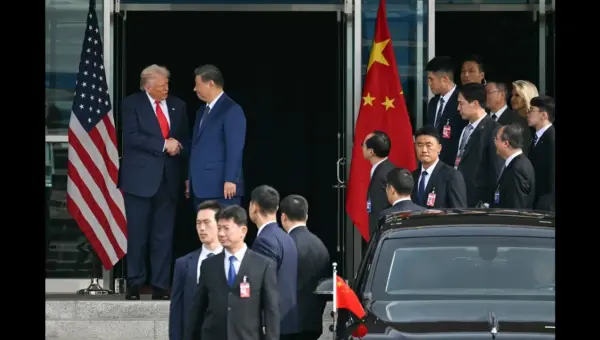
Trump’s “Walk Away” Tactic Signals Tougher Stance on China
Retired Air Force Brigadier General David Stillwell believes President Trump's strategy of being willing to walk away from negotiations puts pressure on China. This tactic, combined with US global actions and strengthened alliances, signals a more assertive American foreign policy.

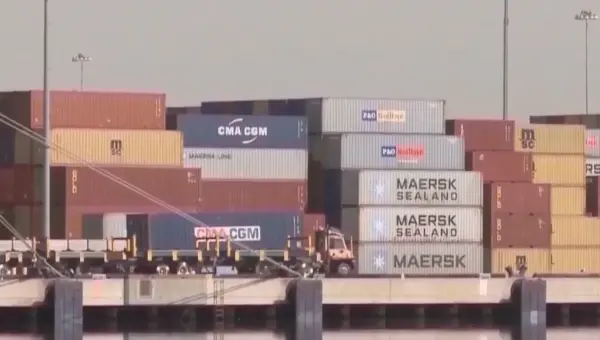
China Fights Back: Tariffs Loom Ahead of Trump Visit
China is retaliating against US trade investigations that could lead to higher tariffs. This escalating trade tension occurs just before a planned visit by President Trump. The dispute involves accusations of unfair practices and impacts global supply chains.


Israelis Forge Resilience Amidst Constant Bomb Shelter Drills
Life in Israel is a blend of resilience and constant vigilance, with many families adapting to frequent bomb shelter drills and even sleeping in makeshift shelters. Despite ongoing missile attacks, Israelis strive to maintain normalcy, though businesses face disruption and emotional fatigue is a growing concern.