Trump Faces Impeachment Calls Over Iran Strikes
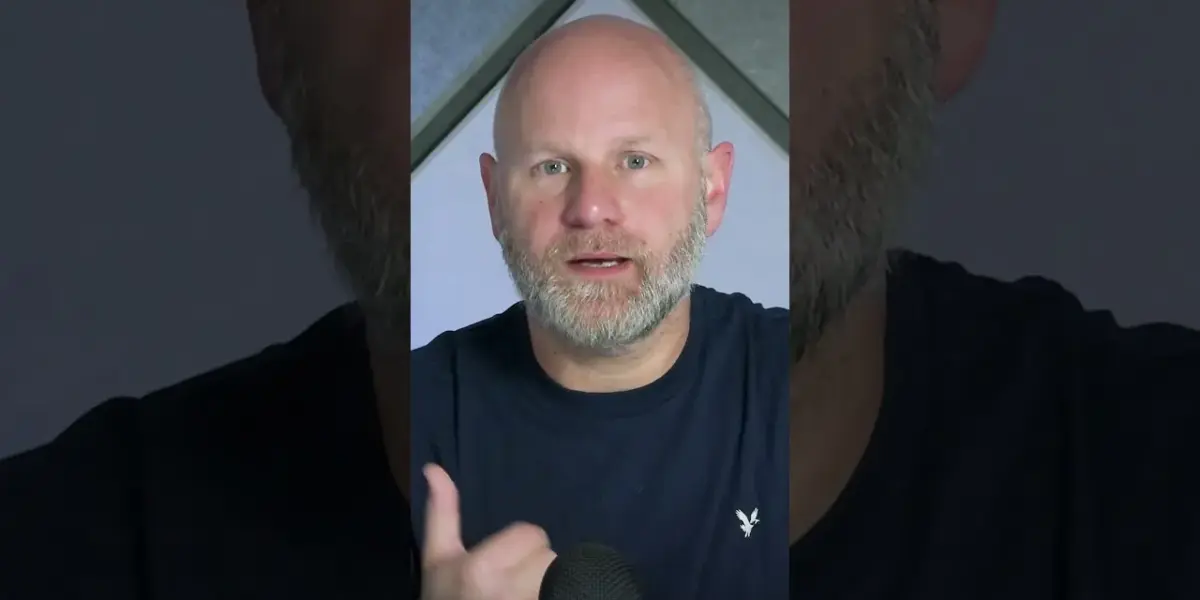
Calls for President Trump's impeachment have surged following recent military actions against Iran, which the administration itself termed "war." Critics point to the Constitution's Article 1, Section 8, which grants Congress the sole power to declare war, raising questions about executive overreach and accountability.

Trump Impeachment Calls Surge After Iran Strikes
Recent military actions against Iran, described by the Trump administration itself as “war,” have ignited a fresh wave of calls for President Donald Trump’s impeachment. While the specifics of the strikes and their justifications are debated, the constitutional implications of initiating military action without explicit congressional approval have become a focal point for critics. This escalation has brought the impeachment discussion back into the public and political arena, with social media platforms amplifying the voices of influencers, public figures, and politicians demanding accountability.
Constitutional Grounds for Impeachment
At the heart of the impeachment calls is a fundamental interpretation of the U.S. Constitution, specifically Article 1, Section 8. As highlighted by author Stephen King, this section explicitly grants Congress the sole power to declare war, raise armies, maintain a navy, and fund the military. Critics argue that by initiating military action that the administration itself labels as “war” without prior congressional authorization, President Trump has potentially overstepped his constitutional authority, thereby providing grounds for impeachment.
The power to declare war is a cornerstone of the American system of checks and balances, designed to prevent a single individual from unilaterally committing the nation to armed conflict. Historically, presidents have often engaged in military actions without a formal declaration of war, relying on their authority as Commander-in-Chief. However, the explicit acknowledgment of these actions as “war” by administration officials appears to have emboldened those who believe the President has crossed a constitutional line.
Historical Context of Presidential War Powers
The debate over presidential versus congressional war powers is not new. Throughout American history, presidents have asserted broad authority to use military force abroad, often citing national security interests or the need to protect American citizens and assets. The War Powers Resolution of 1973 was an attempt by Congress to reassert its authority, requiring presidents to notify Congress within 48 hours of committing armed forces to military action and limiting the duration of such deployments without congressional approval.
However, the effectiveness and interpretation of the War Powers Resolution have been subjects of ongoing contention. Presidents from both parties have, at various times, challenged its limitations or found ways to operate within its perceived boundaries without direct congressional engagement. The current situation, therefore, echoes long-standing tensions between the executive and legislative branches regarding the initiation and conduct of military engagements.
Social Media Amplification and Public Discourse
The current surge in impeachment calls is notable for its rapid dissemination and amplification across social media. Influencers, high-profile individuals, and politicians are using platforms like Twitter and Facebook to voice their concerns and mobilize public opinion. This digital landscape allows for a swift and widespread mobilization of sentiment, bringing issues like constitutional interpretation and presidential accountability to the forefront of public discourse much faster than traditional media cycles alone.
The involvement of prominent figures, such as Stephen King, lends significant weight and visibility to these arguments. Their endorsements can sway public opinion and encourage further debate, transforming online conversations into tangible political pressure. This phenomenon underscores the evolving nature of political advocacy and the power of digital networks in shaping national conversations, especially during times of heightened international tension.
Why This Matters
The calls for impeachment, regardless of their ultimate success, highlight critical questions about the balance of power in the United States. They force a national conversation about the limits of executive authority, particularly in matters of war and peace. The President’s role as Commander-in-Chief is immense, but it is constitutionally designed to be checked by Congress’s power to declare war and fund military operations. When these actions are perceived to be unilateral or to circumvent legislative oversight, it raises profound concerns about the future of American democracy and its foundational principles.
Furthermore, the debate over impeachment in the context of foreign policy decisions has significant implications for international relations. A president facing impeachment proceedings or intense scrutiny over military actions may find their diplomatic leverage weakened. Conversely, a president perceived as acting decisively, even controversially, might rally domestic support. The perception of American foreign policy being driven by domestic political considerations can also impact how allies and adversaries view the stability and predictability of U.S. leadership.
Implications, Trends, and Future Outlook
The current impeachment calls suggest a growing willingness among certain segments of the population and political establishment to hold the executive branch to account for its use of military force. This trend could lead to increased demands for greater transparency and congressional involvement in foreign policy decisions. It also reflects a broader pattern of political polarization, where significant events are often viewed through partisan lenses, leading to divergent interpretations of presidential actions and constitutional responsibilities.
Looking ahead, the trajectory of these impeachment calls will depend on several factors, including the ongoing developments in U.S.-Iran relations, the President’s response, and the actions of Congress. Even if impeachment proceedings are not initiated or do not result in removal, the intensity of these calls signifies a deep division and a critical examination of presidential power. The use of social media in mobilizing such sentiment is likely to become an even more significant factor in future political crises, shaping public opinion and influencing the actions of elected officials.
Ultimately, the debate over impeachment following the Iran strikes serves as a stark reminder of the enduring importance of constitutional governance and the vigilance required to safeguard the separation of powers. It underscores that in times of international crisis, the domestic constitutional framework remains a critical determinant of national action and public accountability.
Source: Calls rising for TRUMP'S IMPEACHMENT (YouTube)

Related Articles
Warren Sounds Alarm: Congress Must Curb Presidential War Powers
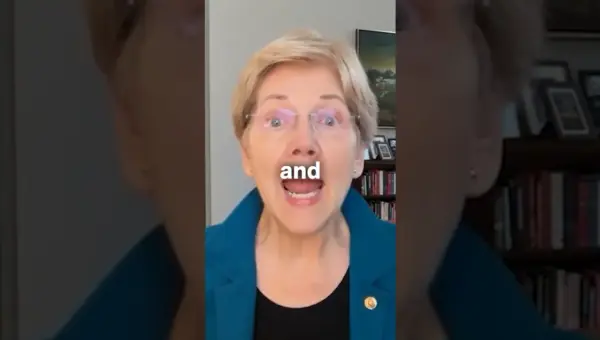
Senator Elizabeth Warren criticizes the unchecked expansion of presidential war powers and calls for Congress to reclaim its oversight role. She links fiscal recklessness and debt accumulation to unilateral military actions and partisan policy choices, warning of electoral consequences.
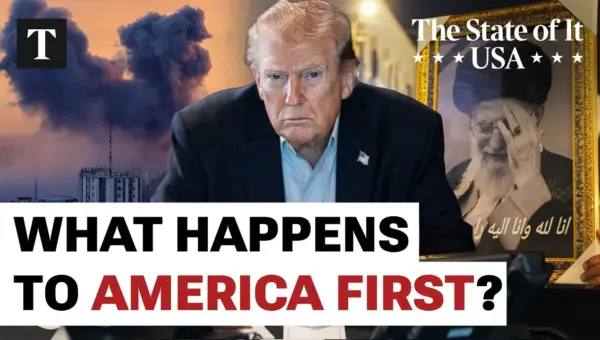
US Strikes Iran Amidst Conflicting White House Messages
The United States has launched airstrikes against Iran, but the White House is struggling to present a unified message, causing division within the MAGA base and straining UK-US relations. Conflicting statements from officials and President Trump himself have fueled domestic criticism and international confusion.
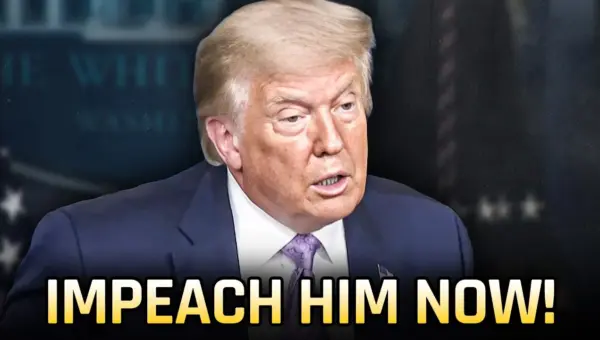
Trump’s War Declaration Sparks Impeachment Storm
Recent military actions in Iran, explicitly called a "war" by the Trump administration, have reignited calls for impeachment. The debate centers on the constitutional authority to declare war, traditionally vested in Congress, and the implications of the AUMF.