Trump Faces Global Isolation as World Leaders Distrust Him
Donald Trump's "America First" policies have eroded trust among world leaders, leading to a growing sense of global isolation. His unpredictability and challenges to alliances have made international partnerships difficult, prompting other nations to seek stability elsewhere. This has significant implications for U.S. influence and global cooperation.

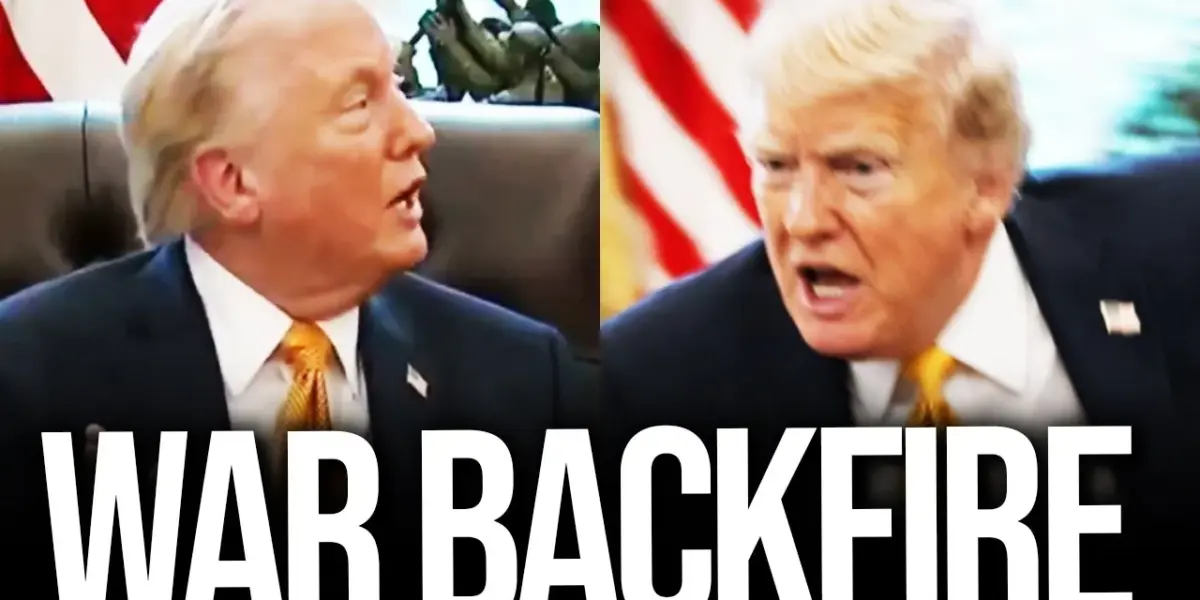
Trump Faces Global Isolation as World Leaders Distrust Him
Donald Trump’s presidency left a deep mark on international relations. His “America First” approach often put him at odds with traditional allies. Now, it appears this strategy has led to a significant problem: global leaders are shunning him. This is not just about political disagreements; it’s about a fundamental loss of trust.
The core issue seems to be Trump’s unpredictability and his willingness to challenge long-standing international agreements. Many world leaders found it difficult to build reliable partnerships with him. They worried that any deal made could be suddenly abandoned. This made working with the United States under Trump a risky business.
A Pattern of Distrust
During his time in office, Trump made decisions that surprised and concerned many. He questioned NATO, a key military alliance that has protected Europe for decades. He withdrew the U.S. from the Paris Agreement on climate change. He also engaged in trade disputes with close allies like Canada and the European Union. These actions created a sense of instability.
Think of it like this: imagine you have a business partner who constantly changes the rules of your agreement. You can’t plan for the future, and you don’t know if they’ll stick to their word. This is how many world leaders felt about working with Trump. They needed predictability, and Trump offered the opposite.
The Impact on Alliances
Traditional alliances are built on shared values and mutual defense. Trump’s rhetoric and actions often seemed to dismiss these foundations. Instead of strengthening alliances, he often seemed to weaken them. This created openings for other global powers to increase their influence.
For example, when the U.S. seemed less committed to NATO, some European countries began to look for ways to bolster their own defenses. When the U.S. stepped back from international climate efforts, other nations stepped up to lead. This showed a clear trend of other countries moving forward without American leadership, or even in opposition to it.
The Shock of Abandonment
The idea that the “entire world” is abandoning him might seem strong. However, the sentiment from international observers suggests a significant cooling of relations. Leaders who once worked closely with Trump, or who hoped to do so again, now express caution. They remember the difficulties of the past and are wary of repeating them.
This isn’t about personal dislike. It’s about strategic interests. World leaders have a responsibility to their own countries. If aligning with or trusting a potential future Trump administration appears detrimental to those interests, they will naturally distance themselves. It’s a pragmatic response to perceived risk.
Why This Matters
The breakdown of trust between a U.S. president and global leaders has serious consequences. It weakens America’s standing on the world stage. It makes it harder to address global challenges like climate change, pandemics, and economic instability. When allies don’t trust each other, it creates a more dangerous and less cooperative world.
For the United States, this isolation is a strategic disadvantage. Diplomacy relies on strong relationships and predictable partnerships. If other countries are hesitant to engage, or if they actively seek alternatives to American leadership, it diminishes U.S. influence. This can lead to missed opportunities for cooperation and increased global conflict.
Historical Context
American foreign policy has often involved building and maintaining alliances. From the post-World War II era, the U.S. has played a central role in establishing international institutions and security pacts. This has generally led to a period of relative global stability and prosperity. Trump’s approach represented a significant departure from this long-standing tradition.
Previous presidents, regardless of party, generally understood the value of these alliances. They might have sought to reform them or adjust their terms, but the core commitment remained. Trump’s questioning of the very existence and purpose of these alliances was a shock to the international system. It signaled a potential end to an era of American-led global cooperation.
Trends and Future Outlook
The trend is clear: many nations are hedging their bets. They are not solely relying on the United States for security or economic partnerships. They are diversifying their relationships and looking for stability elsewhere. This includes strengthening ties with regional partners and even engaging with geopolitical rivals when necessary.
Looking ahead, if Trump were to seek office again, he would likely face a world that is more skeptical and less willing to engage on his terms. The trust that was eroded during his presidency will not be easily rebuilt. This could mean a continued period of global instability, with the U.S. playing a more isolated role. The world has shown it can function, and even thrive, without being solely dictated by American interests. This new reality poses a significant challenge for future U.S. foreign policy.
Source: Trump Panics as Entire World ABANDONS Him (YouTube)

Related Articles

Protesters Challenge Presidential Power, Ignite Debate
Millions are protesting nationwide under the "No Kings" banner, challenging presidential authority and policies they deem unconstitutional. Organizers emphasize First Amendment rights while debating foreign policy, immigration, and the balance of power.
Polls Spell Doom: Republicans Face Voter Backlash
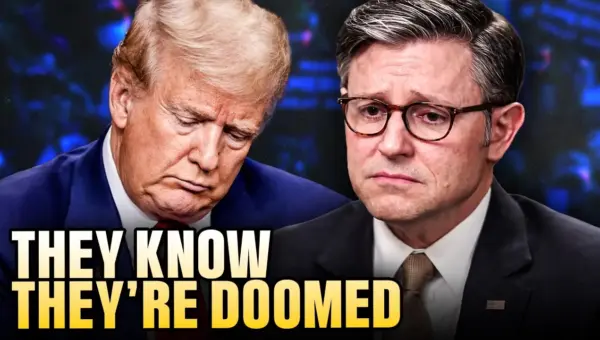
New polling data reveals a sharp decline in public confidence regarding the economic impact of Republican policies, particularly under Donald Trump. A significant majority now feel financially worse off, a trend that is especially pronounced among independent voters. This economic discontent poses a major challenge for the Republican party heading into future elections.

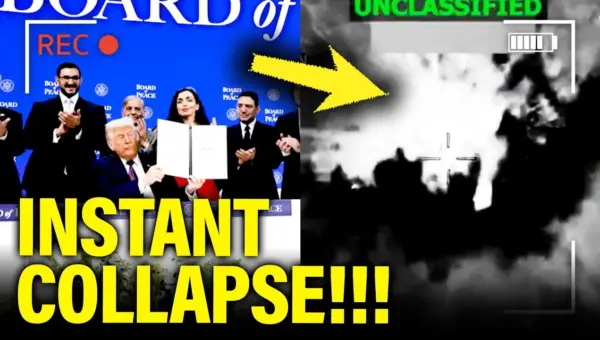
Trump’s ‘Board of Peace’ Crumbles Amidst Global Conflict
Donald Trump's 'Board of Peace,' launched with grand ambitions from Davos, faced immediate scrutiny over its $1 billion permanent membership fee. Despite attempts to secure ceasefires, the initiative appeared to falter as global conflicts, including strikes on Iran, escalated, leaving its intended purpose overshadowed.