Trump Faces Economic Headwinds in Key SOTU
President Trump's State of the Union address is set against a backdrop of economic headwinds and political challenges. With falling poll numbers and a partial government shutdown, the President is expected to focus heavily on addressing rising costs of living, including healthcare, housing, and groceries, in an effort to regain public favor.

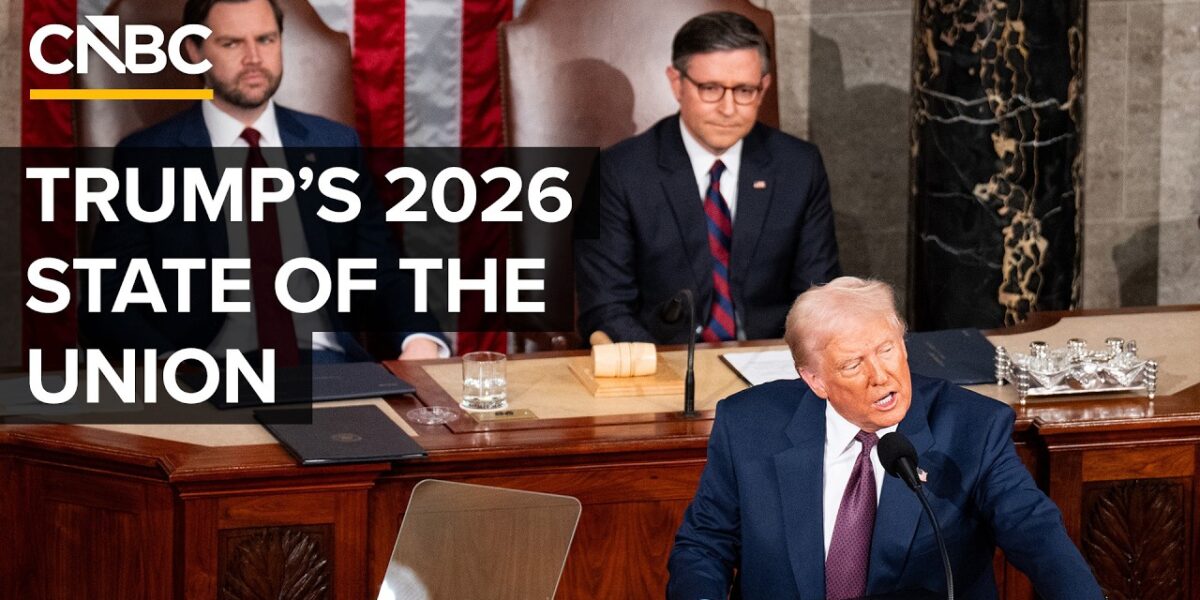
Trump Navigates Economic Concerns in Pivotal State of the Union Address
President Donald Trump is set to deliver his State of the Union address under a significantly different political climate than his previous addresses. Unlike his first term, when he spoke fresh off an electoral victory, this address comes as he faces a challenging midterm election cycle that could potentially diminish his political influence. Compounding these challenges, recent polling indicates a decline in public approval, particularly concerning his handling of the economy – an issue that was once a cornerstone of his platform.
Government Shutdown and Policy Demands Shadow Address
The President’s address is further overshadowed by a partial government shutdown, with the Department of Homeland Security ceasing operations for over a week. This shutdown was triggered by the fatal shooting of two American citizens by federal immigration agents. Congressional Democrats have signaled their intent to withhold funding for the department unless significant changes are made to the administration’s deportation policies. This standoff creates a tense backdrop for any economic pronouncements the President intends to make.
Economic Priorities Take Center Stage
Amidst these domestic and political pressures, the State of the Union address is expected to heavily feature the President’s economic agenda. Key priorities likely to be addressed include the rising costs of essential goods and services such as healthcare, housing, and groceries. These escalating costs have been a persistent concern for voters, impacting both the current administration and its predecessor.
Potential Policy Proposals
Specific economic measures that may be highlighted include initiatives aimed at lowering prescription drug prices, a policy the President has previously championed through his ‘TrumpRx’ platform. Additionally, the administration may outline strategies to curb the rising cost of food. On the populist front, the President could address issues such as credit card interest rates and propose measures to prevent large financial institutions from acquiring housing stock, thereby limiting competition for individual home buyers.
A Forum for Political Defiance
In recent years, the State of the Union address has become a stage for notable acts of political protest and defiance. During President Obama’s tenure, a Republican lawmaker famously shouted accusations of lying. In President Trump’s first term, House Speaker Nancy Pelosi’s act of ripping up the speech transcript behind the podium became a viral moment. These instances underscore the growing polarization and the use of the address as a platform for expressing dissent.
Anticipated Democratic Response
A number of Democratic lawmakers have already announced their intention to boycott President Trump’s State of the Union. Some plan to attend an alternative event, the ‘People’s State of the Union,’ organized by the advocacy group MoveOn on the National Mall. This counter-event serves as a visible representation of opposition and a platform to present alternative policy perspectives.
Strategic Importance of the Address
The State of the Union address offers a unique opportunity for the President to communicate directly with members of Congress, laying out his legislative priorities. More significantly, it provides a primetime platform to reach millions of American households. For President Trump, facing declining poll numbers and an upcoming election, this address is a critical opportunity to shape public perception, rally his base, and attempt to regain momentum on key issues, particularly the economy.
Market Impact and Investor Considerations
What Investors Should Know: The President’s focus on economic issues, particularly inflation and healthcare costs, signals potential regulatory or legislative actions that could impact specific sectors. For instance, proposals to lower prescription drug prices could affect pharmaceutical companies. Similarly, any measures addressing housing market competition or credit card interest rates could have broader implications for the financial sector. Investors should monitor the specific details of any proposed policies and their potential long-term effects on corporate earnings and market stability. The ongoing government shutdown and the political uncertainty surrounding the midterms also add a layer of risk, potentially influencing market sentiment and investment decisions in the short term.
The address serves not only as a policy roadmap but also as a crucial communication tool in a polarized political environment. The President’s ability to articulate a cohesive and compelling economic vision, while navigating existing political challenges, will be closely scrutinized by both the public and the financial markets.
Source: What To Expect From Trump’s State Of The Union Address (YouTube)

Related Articles

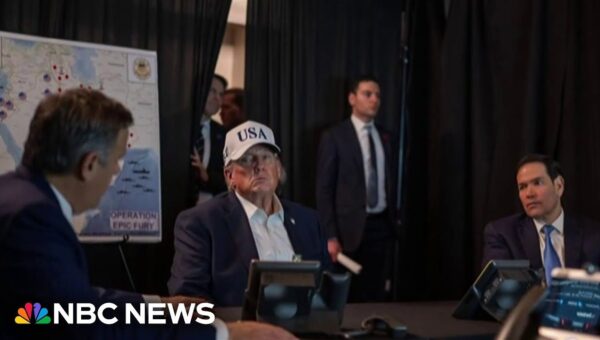
Trump: Iran Strikes Ahead of Schedule, Expects ‘Great Deal for World’
Three U.S. service members have been killed amid escalating conflict with Iran, President Trump confirmed. He stated that strikes are ahead of schedule, with senior Iranian leaders killed, and expressed optimism for a "great deal for the world" despite ongoing talks with Iranian officials.

Trump Agrees to Talks with Iran After Major Strikes
President Donald Trump has agreed to talks with Iran's leadership following coordinated strikes that reportedly killed key figures, including the Supreme Leader. While Trump claims significant military successes, U.S. strategy remains unclear, and public opinion shows limited support for the actions amid rising American casualties.

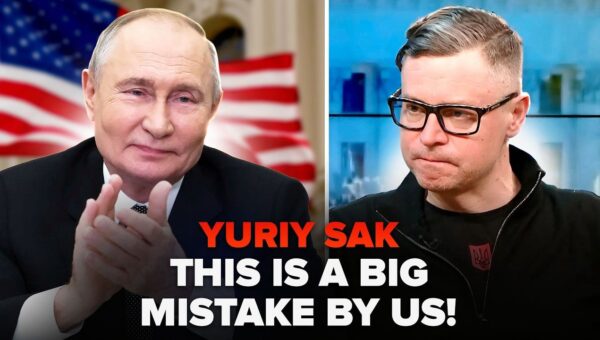
Trump’s Putin Stance: US Strategy and Global Implications
Analysis suggests Donald Trump's approach to the Ukraine war involves pressuring Kyiv, but US involvement is crucial for resolution. China's influence and the 'MAGA' agenda's geopolitical implications are key factors.