Trump Faces Deadline to Resolve Iran Standoff
Donald Trump faces a critical two-week deadline to resolve escalating tensions with Iran, a situation marked by strategic gains for the US but lingering questions about nuclear facilities. Meanwhile, the public grapples with rising costs of living, mirroring a mood of austerity not seen since the pandemic. The article also touches on the surprising surge in sauna popularity across the UK and the enduring appeal of the 'Best Places to Live' guide.

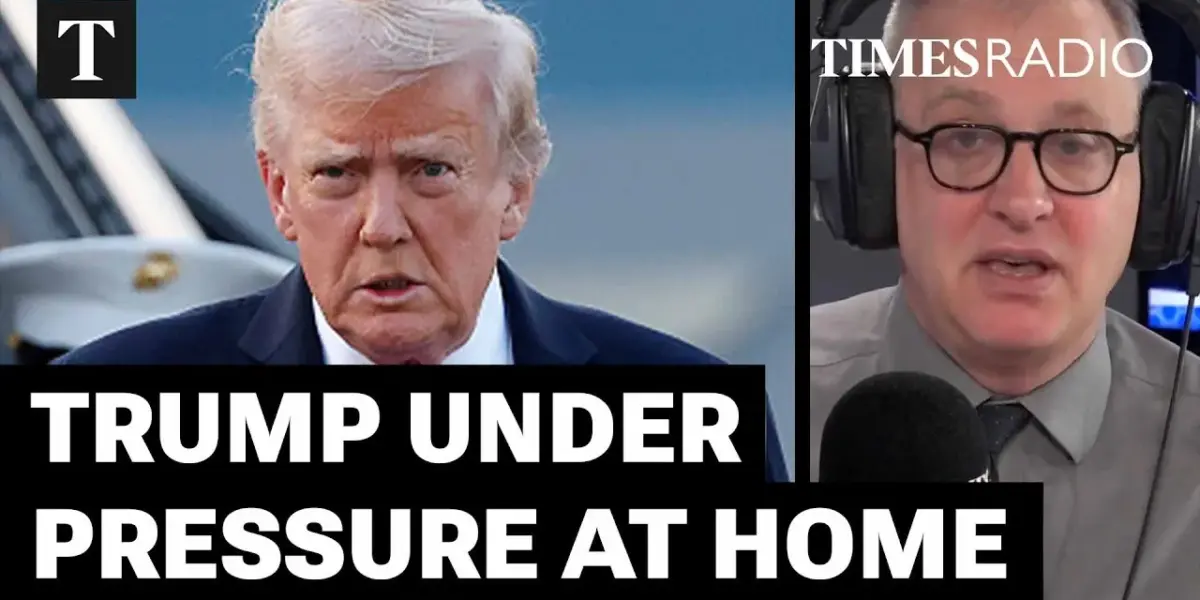
Trump’s Iran Dilemma: A Two-Week Countdown
Donald Trump has a critical two-week window to decide his next move in the escalating tensions with Iran. The situation presents a complex strategic battle, with both America and Iran claiming advantages. The outcome hinges on Trump’s ability to regain control of the narrative amid domestic and international pressures.
America’s Gains and Lingering Questions
Despite the ongoing conflict, not all has been a failure for the United States and Israel. Significant damage has been inflicted on the Iranian regime, both in terms of key personnel losses and military capabilities. Rebuilding these damaged areas will likely take Iran a considerable amount of time. However, a major unknown remains regarding Iran’s nuclear production facilities. Trump’s earlier claims that these sites were destroyed are now being questioned, raising the possibility of a renewed effort to neutralize them permanently.
Iran’s Strategic Play: Economic Pressure
Iran believes it holds the upper hand through its tactics in the Strait of Hormuz and its ability to target other Gulf states. The country appears to be counting on what it perceives as the West’s vulnerability to rising energy prices, food inflation, and general cost of living concerns. Iran’s strategy seems to be to prolong the conflict, knowing that domestic pressure from voters facing higher bills in America, the UK, and Western Europe could force politicians to seek a resolution. Iran views this as a way to exert a stranglehold on vital shipping lanes and put pressure on Western economies.
Domestic Pressures on Trump
Donald Trump faces significant domestic pressure to project strength and control. His tendency to manage the public narrative is currently being challenged. Some within his own political base, the MAGA coalition, are reportedly critical of his relationship with Israeli Prime Minister Netanyahu. These critics suggest that Netanyahu may have manipulated Trump into the current conflict. While this view might be overstated, the pressure on Trump to appear in command is substantial. His public appearances, often featuring daily press conferences or brief statements, create a rapid news cycle that demands constant updates, even when his position hasn’t changed.
The Rising Cost of Living and Public Mood
The economic impact of the ongoing geopolitical situation is becoming a major concern for the public. For individuals like Matt Rudd, who relies on heating oil for his home, the cost has nearly doubled, illustrating the sharp end of rising energy prices. This sentiment is echoed in rural Scotland and other areas facing similar challenges. While governments have announced some relief measures, such as on heating oil, the rising cost of living is forcing many to tighten their belts. This mirrors the mood during the COVID-19 pandemic lockdowns, suggesting a period of necessary austerity is ahead.
Government Response and Public Opinion
The government’s messaging on the cost of living appears somewhat contradictory. While the Environment Secretary advised against belt-tightening, analysis suggests average household gas bills are set to rise significantly. This disconnect is not going unnoticed by the public. The upcoming Cobra committee meeting highlights the government’s attention to the issue, though some question the delay in convening such a body during an apparent emergency. While opposition leader Starmer is polling well on his response to Trump and the war, the looming economic challenges present a significant hurdle for his party.
The Rise of the Sauna and Changing Habits
In a shift to a lighter topic, the popularity of saunas across the UK has surged, with numbers reportedly ten times higher than before the pandemic. This trend is particularly noticeable in seaside towns, where people can warm up in a sauna before taking a dip in the sea. The rise is attributed to a general interest in wellness and healthy living, as well as the communal and potentially fun aspect of the experience. Unlike in countries like Germany or Austria where nudity in saunas is common, or even compulsory, the UK trend is more discreet. Often, saunas are booked for private groups, allowing individuals to disrobe together in a more controlled environment. This growing movement reflects changing social habits and a desire for well-being.
‘Best Places to Live’ Guide Sparks Interest
The Sunday Times’s annual ‘Best Places to Live’ guide is proving popular, offering readers a dose of escapism and inspiration for potential new homes. The guide, compiled by a dedicated team, covers locations across the entire country. While the selection process is taken seriously, with decisions acknowledged to impact people’s lives, there’s a lighthearted acknowledgment that the guide’s popularity might inadvertently contribute to rising house prices in the featured areas.
Source: Trump Has Two Weeks To Make Up His Mind | Ben Taylor (YouTube)

Related Articles

G7 Allies Clash Over Iran War Strategy, Urge Focus on Russia
G7 foreign ministers met in Paris, revealing deep divisions over the U.S. war with Iran. European allies urged the U.S. to pressure Russia, linking its actions to the conflict and fearing support for Ukraine will wane.

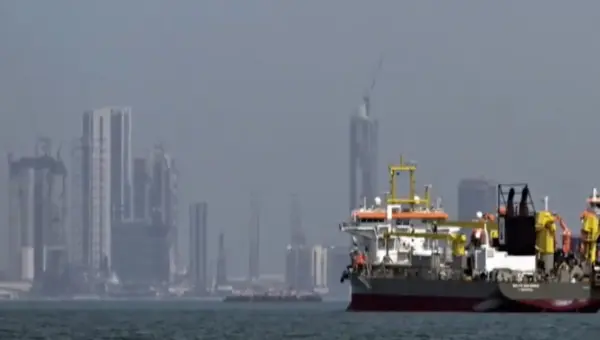
Iran Blocks China Ships, Exposing Beijing’s Weak Grip
Iran's recent decision to block Chinese ships at the Strait of Hormuz is exposing the limits of Beijing's influence in the Middle East. This action is causing delays and cancellations for Chinese manufacturers, turning a perceived geopolitical win into an economic strain.
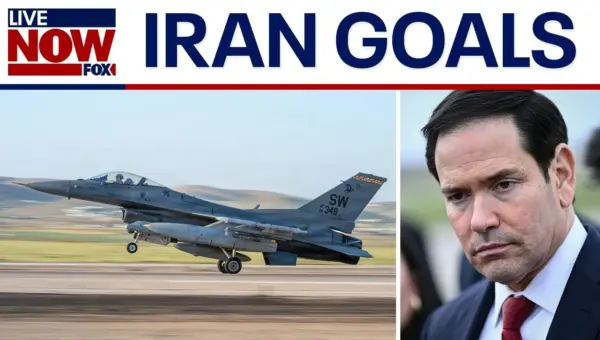
Rubio: US Can Achieve Iran War Goals Without Troops
Senator Marco Rubio outlined a strategy to counter Iran without deploying U.S. ground troops, focusing on weakening the regime and enhancing maritime security. He also criticized Cuba's economic system and expressed concerns about West Bank violence.