Trump Faces Base Backlash Over Iran War, Conflicting Signals Emerge
President Trump's conflicting statements on the Iran war are fueling uncertainty, while his base shows diminishing tolerance for the conflict amidst rising prices and potential escalation. Geopolitical analysts are scrutinizing the administration's strategy, the role of Russia, and the broader implications for global stability.

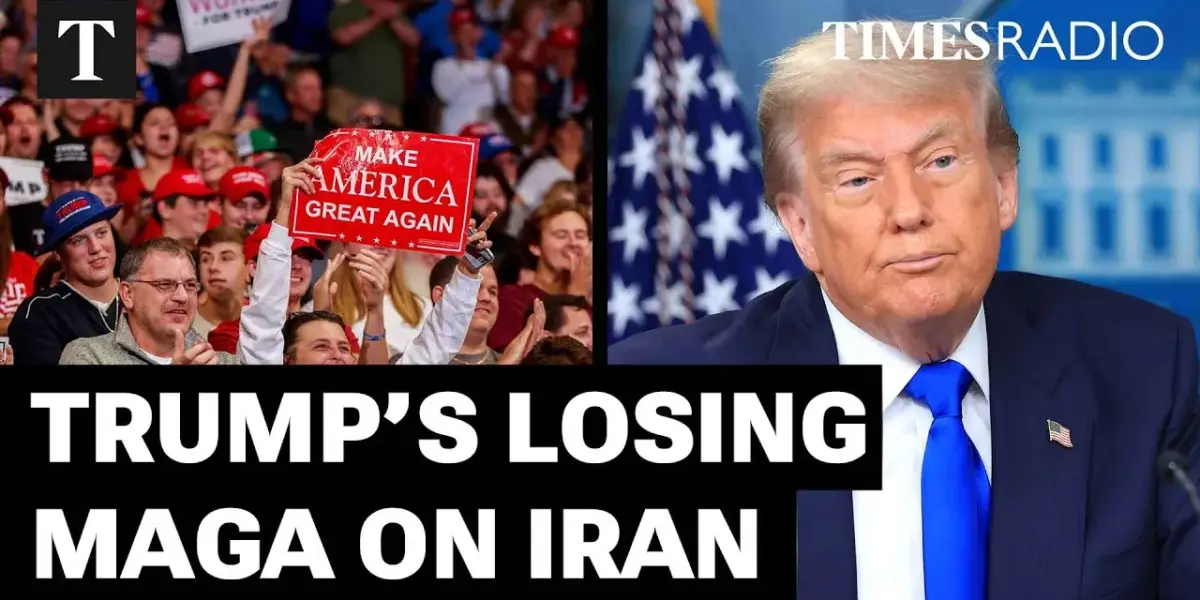
Trump’s Base Growing Weary of Iran Conflict Amid Shifting Rhetoric
President Donald Trump’s administration is navigating a complex and increasingly scrutinized conflict with Iran, marked by contradictory statements from the President himself and growing signs of unease among his core supporters. While Trump has oscillated between declaring the war “very complete” and emphasizing American military dominance, the economic implications and potential for prolonged engagement are raising significant questions, particularly regarding domestic tolerance for further escalation.
Conflicting Messages on War’s Status and Objectives
In a series of pronouncements that have dominated the morning news agenda, President Trump has offered a muddled picture of the ongoing conflict. Initially telling CBS News that the war was “very complete pretty much,” the message evolved during a briefing with Republican members of Congress in Florida. There, Trump asserted that America was “winning very decisively” and “way ahead of schedule,” highlighting the perceived destruction of thousands of Iranian missiles aimed at the Middle East and Israel.
“Iran’s a very powerful country. They were going to take over the Middle East. If we did not hit them, they were going to take over the Middle East. They had thousands and thousands since their last hit. They had thousands and thousands of missiles and everything else. Most are now destroyed.”
However, analysts have questioned the veracity of these claims, noting that Iran’s regional ambitions and stated aims to destroy Israel have been consistent for decades, rather than a sudden development necessitating the current military action. The timing and legality of the intervention remain points of contention, with Trump struggling to provide a clear answer on the rationale behind the escalation.
Exit Strategy or Prolonged Engagement?
When pressed for a timeline on the war’s conclusion, President Trump indicated that the conflict would continue until Iran “will no longer have any capacity whatsoever for very a very long period of time of developing weaponry that can be used against the United States, Israel, or any of our allies.” He described Iran’s military capabilities as severely degraded, with its navy, air force, and radar systems reportedly destroyed.
This assessment contrasts sharply with statements from other figures, such as Pete Hegseth, who suggested the conflict was “just beginning.” This divergence highlights a potential strategic ambiguity, with some speculating that the administration is pursuing a strategy that seeks to simultaneously de-escalate tensions to stabilize oil prices while also signaling a commitment to a longer-term confrontation.
Economic Pressures and Base Dissatisfaction
A significant factor influencing the administration’s approach appears to be the domestic economic fallout. Rising oil prices and the specter of “boots on the ground” are reportedly eroding tolerance for the war among Trump’s base. The transcript suggests a lack of visible public support for the conflict in the United States, with an observed “uneasy anxiety” when the war is discussed.
Furthermore, the President’s willingness to consider waiving oil sanctions on certain countries to mitigate price increases underscores the economic sensitivities at play. The threat of “additional force” against Iran if it disrupts oil flow through the Strait of Hormuz indicates a delicate balancing act between maintaining global energy stability and demonstrating resolve.
Geopolitical Ramifications and Russia’s Role
The conflict with Iran is unfolding against a backdrop of complex international relations, notably involving Russia. President Trump reported a “very good call” with Russian President Vladimir Putin, discussing both the ongoing war in Ukraine and the Middle East. However, this discussion occurred despite Putin’s stated “unwavering support for the new Ayatollah” in Iran, raising questions about the efficacy and motivations behind the American president’s engagement with Moscow.
“The fact is that Vladimir Putin is on the side of the Iranians. The side that America is up against here and yet Donald Trump comes off the back of a phone call with him which he says is very positive almost entirely motivated by the economic situation in his own backyard.”
Adding another layer of complexity, credible reports suggest Russia may be providing targeting information to Iran for strikes against U.S. installations. This alleged collaboration between Russia and Iran presents a significant geopolitical challenge for the United States.
Concerns Over Weaponry Use and Investigation
Questions have also been raised regarding the use of American weaponry, specifically a Tomahawk missile that reportedly struck an Iranian girl’s school, resulting in the deaths of 110 children. While the administration is investigating the incident, the transcript notes that Tomahawk missiles are widely sold and used by other countries, including Iran. President Trump has stated his willingness to abide by the findings of the ongoing investigation.
Divergent Views Within the Administration
Internal divisions within the Trump administration regarding the Iran conflict are also becoming apparent. President Trump confirmed that Senator JD Vance was “not enthusiastic” about the war, contrasting with other figures who may hold different views. This internal discord, particularly in the context of other ongoing international crises like the war in Ukraine, suggests a lack of unified strategic direction.
Broader Geopolitical Implications and Future Outlook
Experts warn that the current situation carries significant and potentially dangerous ramifications that could reshape global geopolitics. The extensive use of U.S. weaponry and the perceived military distraction of the United States are being closely monitored by China, potentially influencing its calculations regarding Taiwan. Furthermore, the stability of the Persian Gulf region, heavily reliant on oil and gas, is precarious, with potential impacts on water security due to attacks on desalination plants.
As the conflict evolves, attention will remain focused on President Trump’s ability to articulate a clear strategy, manage domestic dissent, and navigate the intricate geopolitical landscape. The coming weeks will likely reveal whether the administration can effectively de-escalate tensions while addressing the underlying concerns of its base and its international allies.
Source: Trump’s Base Is Losing ‘Tolerance’ For The War In Iran (YouTube)

Related Articles


GOP’s Crumbling Foundation: Party Switcher Signals Deeper Divide
Representative Kevin Mullin's switch to independent status signals deeper GOP fractures. Internal criticism from MAGA figures and public dissatisfaction with economic and foreign policy issues highlight a party struggling with its direction and leadership, potentially facing a crisis of confidence.


Oil Surges Towards $150 Amid Escalating Iran Conflict
Escalating tensions involving Iran and the effective closure of the Strait of Hormuz are fueling fears of oil supply disruptions and potential price surges towards $150 per barrel. While some analysts predict dire consequences, options market data suggests a less extreme outlook. Geopolitical risks continue to dominate market sentiment, though some economic indicators point to underlying resilience.

Senator Coons Slams Trump’s Iran War Strategy, Consults Putin More Than Congress
Senator Chris Coons has sharply criticized President Trump's handling of the Iran conflict, citing a lack of planning and alarming consultation patterns with Russia. Coons demands transparency on war costs and strategy before approving further funding.