Trump Eyes New Defense Deal Amidst Global Power Plays
Former President Trump outlined ongoing defense negotiations for military assets and detailed enhanced security for the White House. His remarks touched on foreign policy, election integrity, and national security, suggesting a focus on projecting strength and fortifying defenses amidst global uncertainties.

Trump Eyes New Defense Deal Amidst Global Power Plays
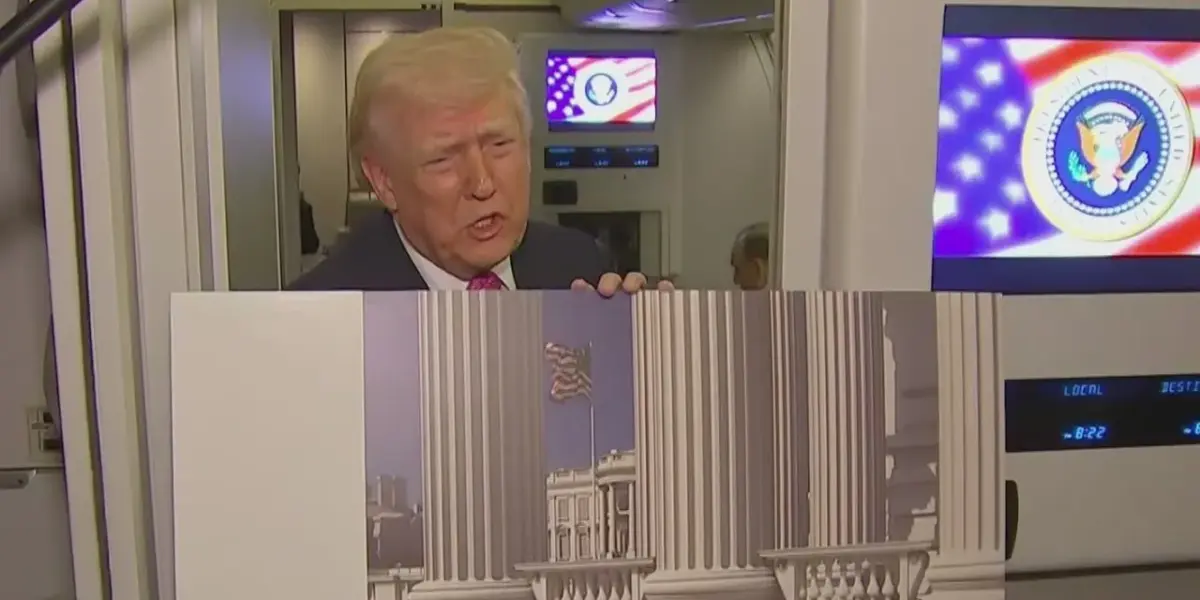
Former President Donald Trump has revealed ongoing negotiations for a significant defense agreement, hinting at a potential shift in international security dynamics. He spoke of a deal involving the direct and indirect delivery of military assets, including “20 boats, big, big boats,” expected to begin soon. This development occurs as Trump also discusses enhanced security measures for a remodeled White House ballroom, described as impervious to bullets and drones. These statements suggest a focus on both projecting and fortifying American strength on a global stage.
Negotiating a New Security Framework
Trump detailed extensive negotiations, stating, “We are negotiating with them directly and indirectly.” While the specific counterparties remain unnamed, the context suggests discussions with nations involved in complex geopolitical situations. He referenced a previous agreement where “they agreed to send… 20 boats,” signaling a willingness from the other side to engage in military supply. This move could be interpreted as a strategic maneuver to bolster allies or secure key assets in volatile regions. The timeline for these deliveries, starting “tomorrow morning” and continuing for “the next couple of days,” indicates a sense of urgency.
The Shadow of the Iran Nuclear Deal
Drawing a parallel to past foreign policy actions, Trump referenced the Iran nuclear deal, negotiated under the Obama administration. He criticized it as “probably the worst deal we’ve ever done,” arguing that it did not prevent Iran from developing weapons. He contrasted this with his administration’s approach, suggesting that military action, like the deployment of B-2 bombers, could deter threats. The mention of Iran’s nuclear program highlights a persistent concern for global security and the differing strategies employed by successive U.S. administrations to manage perceived threats.
White House Security Upgrades: A Symbol of Strength?
Beyond international diplomacy, Trump focused on the physical security of the White House. He described a newly designed ballroom, developed with input from architects who have worked on projects for “150 years.” This space is being built to be “bulletproof,” with reinforced ceilings and high-grade glass. The military is also constructing a “massive complex” underneath the ballroom, designed to withstand threats from drones and other attacks. This emphasis on impenetrable defenses, funded by “myself and donors,” not taxpayer money, could be seen as a symbol of national resilience and preparedness.
Domestic Policy: Immigration and Election Integrity
The former president also addressed domestic concerns, particularly immigration and election integrity. He criticized the current administration’s policies, stating, “We’re getting murders out of our country… drug lords out of our country.” He argued for stronger border control and the removal of individuals deemed criminal. Trump also voiced strong opinions on election processes, advocating for voter ID laws and questioning the integrity of mail-in ballots. He stated, “We have to protect our country. We have to defend and protect our border.” These points underscore a commitment to national sovereignty and secure borders, framed within a broader critique of current U.S. policies.
Global Impact: Shifting Alliances and Deterrence
Trump’s statements on defense negotiations and White House security point towards a foreign policy centered on strength and deterrence. The potential delivery of military assets could reshape regional power balances, particularly if directed towards areas of existing tension. The emphasis on an impregnable White House also sends a message of national security and resolve. These actions, taken together, suggest a strategic vision that prioritizes military readiness and a firm stance against perceived adversaries. The success of these negotiations and the effectiveness of the new security measures will be closely watched for their impact on international stability and U.S. global standing.
Historical Context: A Legacy of Deals and Deterrence
The reference to the Iran nuclear deal places current diplomatic efforts within a historical context of complex international agreements. Past administrations have grappled with balancing diplomacy and military power to manage nuclear proliferation and regional conflicts. Trump’s approach appears to favor a more assertive posture, emphasizing military readiness and direct negotiation over multilateral agreements. The focus on securing critical infrastructure, like the White House, also echoes historical precedents where national symbols and leadership needed to be protected during times of perceived threat.
Economic Leverage and Strategic Resources
While specific economic figures were not detailed, the mention of military asset deliveries implies significant financial commitments. The control of energy routes, such as the Strait of Hormuz, was also brought up, indicating an awareness of economic vulnerabilities and strategic choke points. Trump’s assertion that “we could close that up in 2 minutes” highlights a potential willingness to use economic pressure as a tool of foreign policy. The implication is that control over vital resources and trade routes remains a key element in international power dynamics.
Future Scenarios: A World of Competing Interests
Several future scenarios emerge from these statements. One possibility is the successful negotiation of new defense agreements, leading to a more robust U.S. military presence and potentially altering regional alliances. Another scenario involves continued focus on domestic security and border control, shaping internal policy debates. A third scenario could see increased geopolitical tensions if aggressive defense postures are met with resistance. The effectiveness of these strategies will depend on the reactions of other global powers and the complex interplay of competing national interests.
Source: White House ballroom will be impervious to bullets, drones: Trump | NewsNation Prime (YouTube)

Related Articles

Polls Show Trump’s Approval Collapsing Amidst Crisis
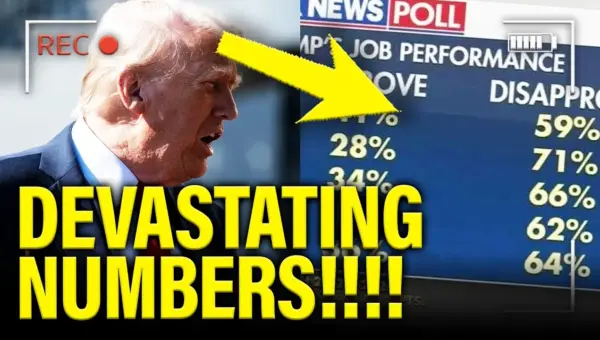
New Fox News polls reveal a sharp decline in President Trump's approval ratings, with majorities disapproving of his handling of the economy, inflation, and foreign policy. This widespread dissatisfaction, even among Republicans, mirrors historical trends seen during presidential crises.
Trump’s Iran Strategy: A Risky Gamble on Regime Change
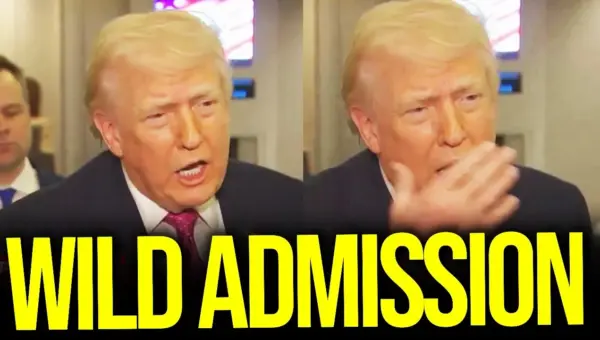
President Trump claims significant regime change in Iran has already occurred, but critics argue this shows a misunderstanding of the nation's complex power structure. His strategy of combining strikes with negotiation and a focus on removing nuclear capabilities raises concerns about potential military escalation.
AI in Warfare: Reporter Warns of “Dawn of AI Warfare”
A reporter warns about the growing use of AI in warfare, highlighting concerns raised by a recent strike that killed over 175 people, including many children. The development of AI systems like "Project Maven" is changing how wars are fought, leading to complex questions about accountability and ethics.