Trump Eyes NATO Exit, Threatening Alliance Built Against Russia
Former President Donald Trump is reportedly considering withdrawing the U.S. from NATO, a move that could significantly weaken the alliance and serve the interests of Russian President Vladimir Putin. Legal hurdles exist for a unilateral withdrawal, but actions to diminish NATO's strength are still a concern for allies and security experts. The potential shift raises alarms about a changing global security order.

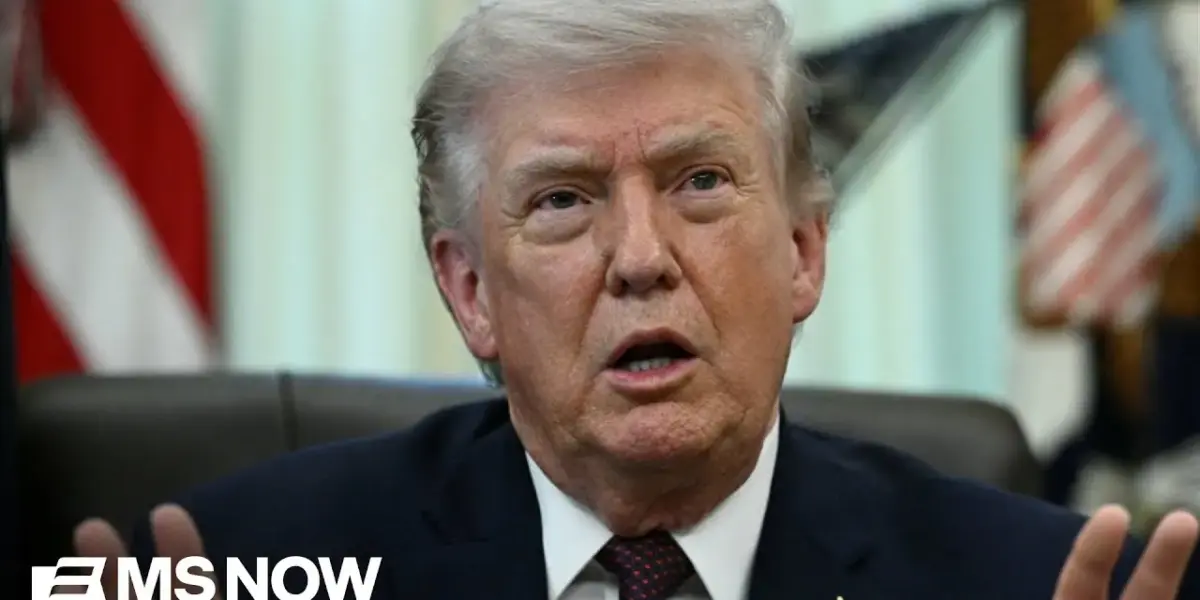
Trump Considers Leaving NATO, Citing Alliance’s Inaction
Former President Donald Trump is strongly considering withdrawing the United States from the North Atlantic Treaty Organization (NATO), according to a new interview published by The Telegraph. Trump stated he was never swayed by NATO, calling it a “paper tiger” that Russian President Vladimir Putin also recognizes. This potential move comes after NATO nations reportedly did not join a U.S.-led war in Iran, an action that has angered the former president.
Legal Hurdles and Potential Weakening of NATO
However, withdrawing from NATO is not a simple unilateral decision for a U.S. president. In 2024, President Biden signed a law requiring congressional approval for any U.S. withdrawal from the alliance. NATO is also a treaty organization, meaning such a significant step would necessitate an act of Congress. Despite these legal barriers, Trump could take actions to significantly weaken the alliance. These actions might include slashing funding to NATO or withdrawing U.S. service members from bases in Europe, which would undermine the alliance’s core purpose and collective defense capabilities.
Putin’s Long-Standing Goal: Weakening NATO
The prospect of a weakened or dismantled NATO is seen by many as a major victory for Vladimir Putin. The alliance was originally formed as a bulwark against Russian aggression. For decades, leaders have worked to build and maintain this alliance to counter Soviet and now Russian influence. Trump’s past criticisms and current considerations align with Putin’s long-held objective of undermining Western unity and the collective security structure that NATO provides. This could embolden Russia to continue its aggressive actions, such as the ongoing war in Ukraine, and potentially expand further into Eastern Europe.
European Allies Feeling Abandoned
European leaders are already expressing deep concern over the United States’ perceived waning interest in the alliance. Many feel they are increasingly on their own, facing a threatening Russia at their borders. This sentiment is leading many European nations to consider bolstering their own military defenses and re-evaluating their security strategies. Some leaders reportedly feel that Europe is already in a state of conflict with Russia and must rely on its own capabilities for security. This shift could lead to a significantly different geopolitical landscape.
Broader Geopolitical Implications and Concerns
The potential unwinding of NATO represents a dramatic departure from decades of U.S. foreign policy and international cooperation. For many, it is difficult to imagine such a fundamental change to the security architecture that helped defeat the Soviet Union and has maintained stability in Europe for generations. The idea that such a significant alliance could be weakened, seemingly on a whim, is alarming to those who view it as crucial for global security. There are also concerns about potential collusion between Russia and certain political figures or parties in the West, aiming to undermine democratic institutions and Western alliances.
A Call to Action for Republicans
Some commentators are urging Republicans to reconsider their support for actions that could weaken NATO. They argue that such a move is unpatriotic and directly benefits adversaries like Russia. The call is for Republicans to push back against rhetoric that undermines the alliance, emphasizing its historical role in countering Russian influence and promoting democracy. The concern is that by weakening NATO, the U.S. is not only abandoning its allies but also creating opportunities for authoritarian regimes to expand their reach.
Looking Ahead: A Shifting Global Order
If the U.S. were to significantly reduce its commitment to NATO, it would undoubtedly usher in a new era of international relations. Europe would likely seek closer ties with other global powers, potentially including Asian countries, to ensure regional stability and economic security. The U.S. role as a global security leader would be fundamentally altered, with allies increasingly expected to take the lead in addressing regional threats. The future security landscape, particularly concerning energy transit routes and collective defense, would look vastly different from the post-World War II order.
Source: Trump strongly considering pulling out of NATO: The Telegraph (YouTube)

Related Articles

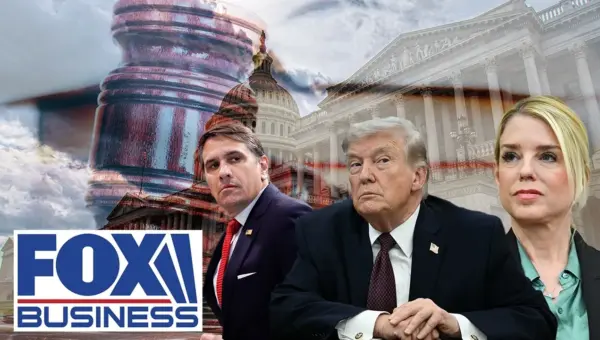
Trump Ousts AG Bondi, Eyes Zeldin as Successor
Pam Bondi is out as Attorney General after one year, with Deputy AG Todd Blanche serving as Acting AG. President Trump confirmed the departure, praising Bondi and hinting at a new private sector role. Lee Zeldin is reportedly being considered as Bondi's permanent replacement, amid ongoing speculation about other cabinet changes.

US Pilot Feared Lost in Iran; Search Underway
The U.S. military is conducting a search operation inside Iran for an American pilot whose fighter jet may have been downed. Details are limited, with uncertainty over whether the plane was shot down or suffered mechanical failure. The operation highlights the complexities of rescue missions in hostile territory and occurs amid heightened regional tensions.

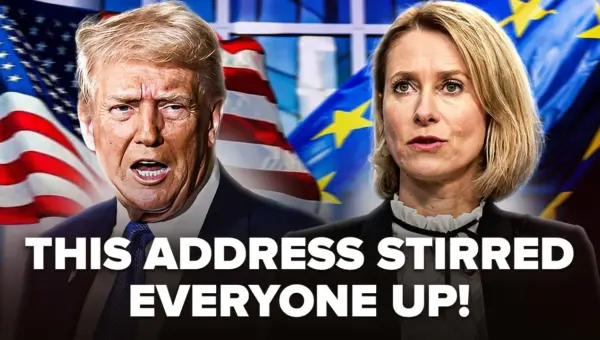
US Policy Shift Stuns Allies, Weakens Global Security
US policy shifts regarding Ukraine, the Strait of Hormuz, and NATO are raising concerns among allies and creating global instability. Critics point to a lack of strategic planning and diplomatic consultation, potentially emboldening adversaries and undermining international security.