Trump Eyes July 4th Ukraine War End: Experts Weigh In
Donald Trump is reportedly aiming to broker a peace deal to end the war in Ukraine by July 4th. Political analyst Alexander Philippena discusses the feasibility, stressing the need for congressional approval for U.S. security guarantees and highlighting Ukraine's unwavering resilience amidst complex geopolitical dynamics.

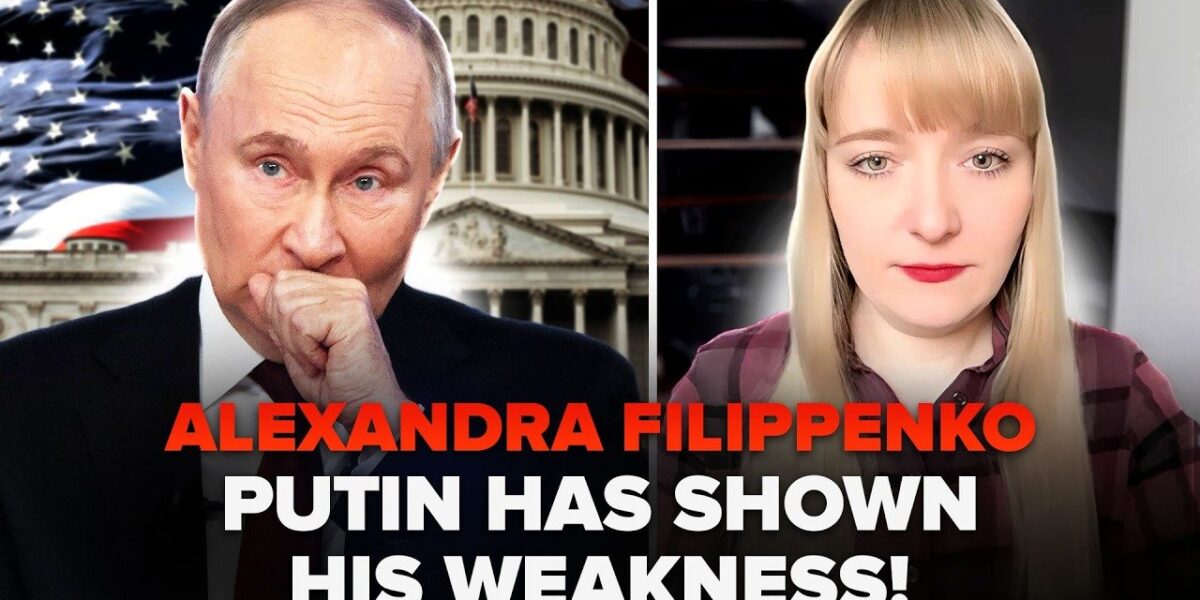
Trump’s Ambitious Ukraine Peace Timeline
In a move that has captured global attention, former U.S. President Donald Trump is reportedly aiming to broker a peace deal to end the war in Ukraine by July 4th. This ambitious timeline, coinciding with the United States’ Independence Day, suggests a significant diplomatic push, though its feasibility and implications are being closely scrutinized by international analysts and Ukrainian officials.
Historical Context and Ukrainian Resilience
The discussion surrounding the war’s end revisits the initial days of Russia’s full-scale invasion. Political analyst Alexander Philippena, a member of the European Leadership Network, reflected on the profound shock and uncertainty experienced at the war’s outset. “I remember so well my first thoughts and my first feelings,” Philippena shared, recalling text messages expressing deep concern about how to endure the unfolding tragedy. He noted that even a former UK foreign office representative, while less emotional, understood the immense suffering that would ensue, not just for Ukraine but for Europe and the world.
Philippena emphasized Ukraine’s unwavering resistance, stating, “Putin has not achieved his objectives. He has not broken the Ukrainians. He has not won this war. We preserved Ukraine and we will do everything necessary to achieve peace not only in Ukraine but across Europe.” The analyst highlighted that the conflict represents a fight for the European way of life and Western security, underscoring Ukraine’s role as the front line.
Security Guarantees: A Congressional Imperative
Central to any potential peace agreement are robust security guarantees for Ukraine. Philippena stressed that for such guarantees to be truly binding, especially those involving the United States, they must be ratified by Congress. “Any kind of security guarantees, for example, from the United States need to go through Congress. This is number one,” he explained. He elaborated that while a presidential signature binds the current administration, congressional approval transforms an agreement into a law of the land, obligatory for future administrations.
Philippena outlined key components for effective security guarantees: rigorous congressional approval, the presence of international observers to prevent provocations and verify compliance, and substantial financial and military support. “There must be international peacekeeping force or international observers, whatever you call them, it doesn’t matter. The main thing is for them to be there,” he asserted. He also called for financial support for advanced weaponry, training, and the integration of new technologies, including AI, into Ukraine’s defense forces.
Challenges to European Unity and Sanctions
The discussion also touched upon the complexities of maintaining European unity, particularly in the face of economic and political pressures. Philippena pointed to Hungary’s recent obstruction of the 20th package of sanctions against Russia as an example of internal political dynamics impacting collective action. He suggested that Hungarian Prime Minister Viktor Orbán’s stance was largely driven by domestic election considerations, aiming to project an image of strength and influence within the EU.
“This is all about the elections. And this time I’m not talking about the American elections, weirdly. I’m talking about the elections in Hungary,” Philippena remarked. He noted that while the “coalition of the willing” shows unity, individual EU member states have varying perspectives on the war due to geographical distance and differing political priorities. The analyst anticipates that discussions on further sanctions may resume after the Hungarian elections.
Trump’s Political Calculus and Realism
The prospect of Trump brokering a peace deal by July 4th is viewed through a lens of political symbolism and strategy. Philippena suggested that such an achievement would allow Trump to frame the war’s origins and duration as a failure of Democratic administrations, drawing parallels to historical events like the collapse of the Soviet Union under Republican leadership.
However, Philippena also cautioned against overreliance on the reported timeline, suggesting that Trump’s public statements, particularly during his State of the Union address, would offer clues about the seriousness of this objective. “If he reminds Americans about the war in Ukraine. If he talks about it a lot, this will tell us that he is planning on ending it by July 4th,” he stated. Conversely, a more muted approach might indicate that the sources are exaggerating the immediacy of a deal. Philippena also raised the possibility that negotiations could serve as a pretext for parallel business discussions with Russia, facilitated by individuals close to Trump.
Ukraine’s Unwavering Resolve
Despite the complex diplomatic maneuvers and political calculations, Ukraine’s determination remains a constant. The analyst concluded by echoing Ukrainian resilience: “In 2022, we stopped the enemy. In 2026, we’re still standing here on our land and it’s true and we will endure because we already endured when no one believed in us and we will prevail because for us there is no other scenario.” This sentiment underscores the enduring spirit of a nation fighting for its sovereignty and future.
Source: 😱Putin is demanding unthinkable! Here’s how Trump wants to end war. This hasn’t been said before (YouTube)

Related Articles
Trump Open to Iran Talks After Attacks, Shifts on Regime Change
President Trump has agreed to negotiate with Iran's new leadership following recent U.S. and Israeli attacks, signaling a potential shift from his regime change objective. The move has drawn scrutiny from former officials who question the strategic coherence of U.S. policy.
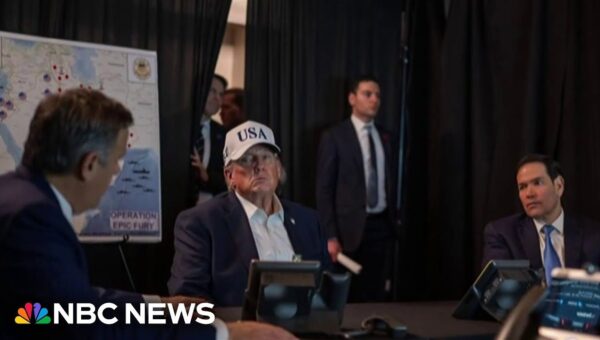
Trump: Iran Strikes Ahead of Schedule, Expects ‘Great Deal for World’
Three U.S. service members have been killed amid escalating conflict with Iran, President Trump confirmed. He stated that strikes are ahead of schedule, with senior Iranian leaders killed, and expressed optimism for a "great deal for the world" despite ongoing talks with Iranian officials.
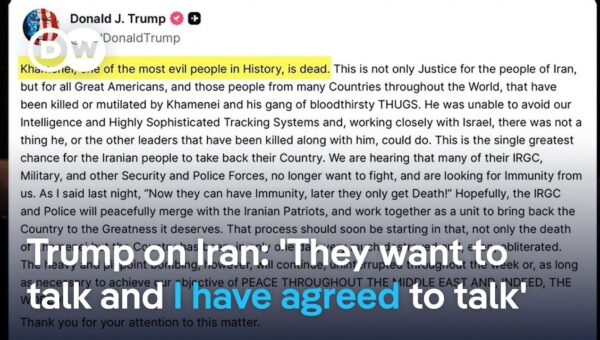
Trump Agrees to Talks with Iran After Major Strikes
President Donald Trump has agreed to talks with Iran's leadership following coordinated strikes that reportedly killed key figures, including the Supreme Leader. While Trump claims significant military successes, U.S. strategy remains unclear, and public opinion shows limited support for the actions amid rising American casualties.