Trump Eyes Iranian Oil Hub Before War Exit, Analysts Warn
President Donald Trump may be preparing to withdraw from the current conflict but is reportedly considering a final aggressive move against Iran's Kharg Island oil depot. This potential action, coupled with Iran's offer to reopen the Strait of Hormuz, creates significant uncertainty. Meanwhile, the UK is reassessing its defense alliances, leaning more towards European partners amid strains with the US.

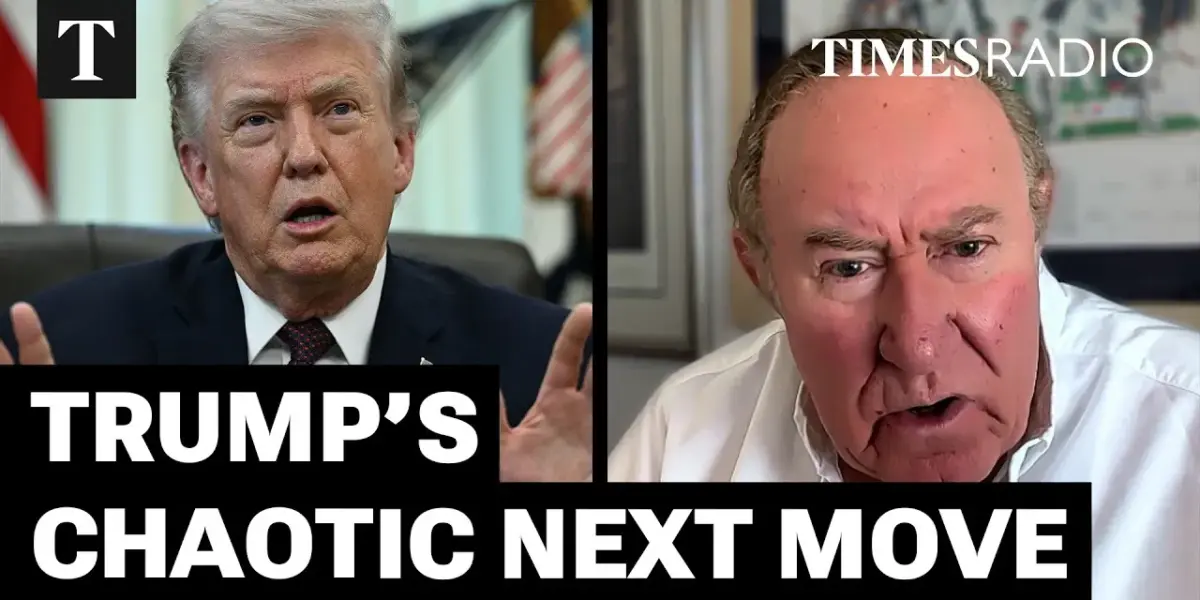
US President Weighs Bold Move on Kharg Island Amid Shifting Alliances
President Donald Trump may be preparing to declare victory and withdraw from the ongoing conflict, but a potentially disruptive final act looms. A White House source has suggested that Trump is considering a move to seize Kharg Island, Iran’s primary oil export terminal, before ending military operations. This potential action, aimed at projecting strength during his departure, could trigger significant chaos, according to analysts.
The revelation comes as tensions between Iran and Western powers remain high. The Iranian ambassador to the UK, Seyed Ali Mavi, stated that Tehran is evaluating whether British military bases are legitimate targets. This statement follows the use of these bases by American bombers for strikes against Iran. Mavi vehemently denied any Iranian involvement in attacks on British soil, calling such accusations “fake news and misinformation.”
Iran Offers Olive Branch on Strait of Hormuz
In a potentially significant development, Iran has indicated a willingness to reopen the vital Strait of Hormuz waterway. Ambassador Mavi suggested that Tehran would swiftly restore access if hostilities were permanently ceased, aligning with President Trump’s apparent desire to wind down the war. This offer, however, is shadowed by the uncertainty surrounding Trump’s “weaponized uncertainty” approach to managing the conflict, which has left allies scrambling to understand his intentions.
The question of whether the UK and Europe should be responsible for securing the Strait of Hormuz in the absence of a US commitment remains a pressing concern. This situation highlights the challenges of dealing with a US president whose foreign policy decisions often appear unpredictable.
UK Reassesses Defense Ties Amid Transatlantic Strain
The evolving geopolitical landscape is prompting a critical reassessment of the UK’s defense relationships. Andrew Neil, speaking on Times Radio, suggested that while the deep operational ties with the US will continue, relying on the relationship under President Trump is precarious. Neil characterized Trump’s approach as “his way or the highway,” lacking the essence of a true partnership.
Neil argued that the UK must now shift its focus, strengthening ties with major European military powers like France, Germany, Poland, and Italy, as well as Scandinavian and Baltic nations. He noted that these countries are increasing their defense spending and possess a clearer understanding of current security needs. Neil believes the North Atlantic Council needs restructuring, with a reduced US role and increased participation from other allies, suggesting this is where the UK’s future defense lies.
Trump’s Focus on Western Hemisphere
President Trump’s desire to concentrate on the Western Hemisphere aligns with a potential European defense buildup. Neil pointed out that Trump has long advocated for Europe to shoulder more of its own defense costs. The president appears to view the current Gulf conflict as the “last Middle East war” and shows less interest in European security, seeing it as a Russian sphere of influence rather than an American one.
This perceived shift could allow Trump to focus on regions like Greenland, Canada, the United States, and Venezuela, where he has asserted significant influence. Neil cautioned, however, that this strategic pivot comes at a cost. The UK has long relied on American support and must now consider a substantial increase in its own defense budget to maintain adequate security, a move he sees no sign of the current Labor government preparing for.
National Security and Economic Pressures Loom
As President Trump prepares to address the nation, potentially announcing a withdrawal, the implications for global security are significant. The possibility of a final, aggressive move on Kharg Island raises fears of escalating regional instability.
Meanwhile, in the UK, Prime Minister Keir Starmer is also scheduled to address the nation. His press conference is expected to cover recent policy changes, including adjustments to the national minimum and living wages, which took effect on April 1st. However, businesses are expressing deep concern over mounting pressures, particularly regarding fuel prices and inflation. The government has stated its intention to monitor the situation, but concrete actions to address these economic challenges remain unclear.
Looking Ahead: A New Defense Era?
The coming days and weeks will be crucial in determining the immediate future of the conflict and the broader implications for international relations. All eyes will be on President Trump’s address and any potential actions concerning Kharg Island. Simultaneously, the UK government faces the challenge of addressing domestic economic concerns while navigating a rapidly changing global security environment that may require a significant reorientation of its defense strategy and spending.
Source: Trump Will Try To Take Kharg Island Before He Winds down the war | Andrew Neil (YouTube)

Related Articles

US Faces Iran War Test Amid Shifting Goals
President Trump faces a critical juncture in the war with Iran, with shifting objectives and domestic pressures influencing his strategy. Iran's control over the Strait of Hormuz presents a significant challenge, testing American resolve and global leadership.

US Allies Face Oil Crisis as Trump Shifts Burden
President Trump's stance on allies securing the Strait of Hormuz signals a major shift in US foreign policy, risking global economic stability. Rising oil prices are already impacting consumers, with further price hikes expected for everyday goods. This disruption highlights the interconnectedness of the global economy and could reshape international alliances.
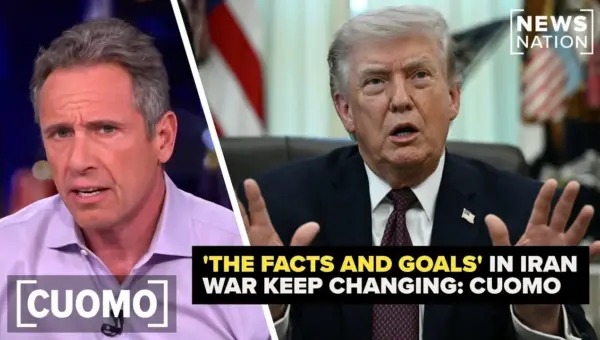
Iran Conflict: US Policy Lacks Clarity, Fuels Global Unease
Confusing U.S. policy on Iran creates global unease. Shifting goals, unclear objectives, and conflicting messages leave allies and adversaries uncertain. This lack of clarity impacts energy markets and international relations.