Trump Eyes Exit from Iran War Amid Oil Crisis
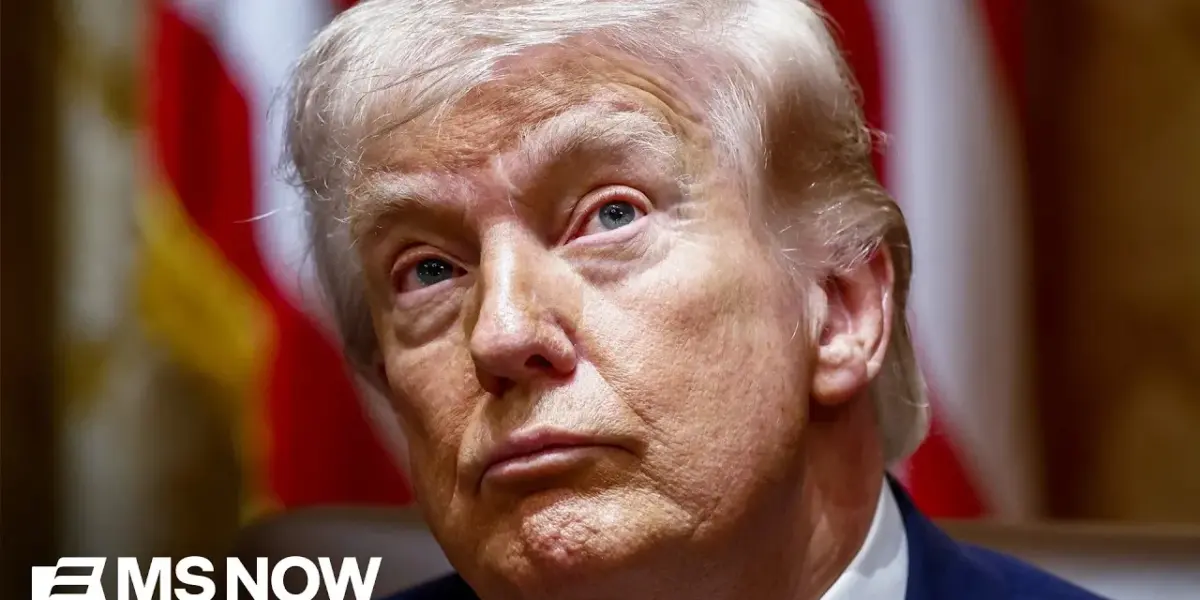
President Trump is reportedly seeking to end U.S. involvement in the Iran war, which has caused gas prices to surge and the Strait of Hormuz to close. The administration is now calling on allies to resolve the oil crisis it helped create, raising concerns about global economic stability and damaged international relations.

Trump Seeks Iran War Exit Amid Global Oil Crisis
President Donald Trump is reportedly looking for a way out of the ongoing war with Iran, a conflict that has driven gas prices to a four-year high of over $4 a gallon. The war, now in its 32nd day, has led to the closure of the Strait of Hormuz, a critical waterway for global oil transport. This decision comes as Trump appears ready to end U.S. military involvement, potentially leaving Iran in a stronger position than before the conflict began.
Strait of Hormuz Closure Fuels Economic Woes
The Wall Street Journal reported that Trump told advisors he is willing to end the U.S. military operation in Iran. A key factor influencing this decision is the closure of the Strait of Hormuz. This vital passage, through which one-fifth of the world’s oil supply travels, remains largely shut because of the war. U.S. officials believe that attempting to reopen it would prolong the conflict beyond Trump’s desired timeline of four to six weeks.
The administration’s assessment is that the U.S. has achieved its main goals: weakening Iran’s navy and missile capabilities. Trump now aims to wind down hostilities while using diplomatic pressure to restore free trade. However, the closure of the Strait of Hormuz was a predictable outcome, with intelligence reports warning of this possibility before the war started. This leaves the U.S. considering leaving Iran in control of a critical choke point it did not hold before the conflict.
Allies Called Upon to Resolve Crisis
In a surprising turn, Trump is now demanding that U.S. allies, some of whom he has previously criticized and did not consult before the war, step in to fix the situation. Trump posted on True Social, urging allies to “build up some delayed courage. Go to the straight and just all caps TAKE IT. You’ll have to start learning how to fight for yourself. The USA won’t be there to help you anymore.” He suggested that Iran has been significantly weakened and that allies should now secure their own oil supplies.
This sentiment was echoed by Pete Hegseth, who stated that countries around the world should be prepared to step up on this critical waterway, suggesting it’s not solely a U.S. Navy responsibility. However, experts note that these allies did not start the war and were not fully informed about its initiation. Marco Rubio indicated that the war began because Israel was planning a strike.
Economic Fallout and Damaged Alliances
The continued closure of the Strait of Hormuz poses a significant threat to the global economy. The longer it remains shut, the more it will damage worldwide trade. Multiple countries, including U.S. allies, are already struggling with the reduced energy supply that once flowed freely through the strait. According to Trump and Hegseth, it is now up to these allies, who were unwillingly drawn into the crisis, to resolve the global energy supply issue.
“It took almost a century for the U.S. to build a global system of trade security and cooperation, and these guys are going to throw it away because they screwed up and have to save face.”
– Tom Nichols, Staff Writer at The Atlantic
Military and Diplomatic Confusion
Experts and former officials express concern over the erratic nature of the administration’s strategy. Lieutenant General Mark Hertling (Ret.), former Commanding General of the U.S. Army in Europe, noted that the public statements from Trump and Secretary Hegseth create daily uncertainty. He highlighted how decades of work to build alliances and trust have been undermined in just 30 days, impacting not only Europe but also the Middle East and the Far East.
General Hertling also pointed out the unrealistic expectations placed on allies. He stated that most allies would recognize that attacking the strait to seize oil could be considered a war crime and that they may lack the capacity for such actions. He emphasized that military operations must be aligned with diplomatic, economic, and informational strategies, a balance that appears to be missing.
Impact on Military Morale and Families
The unpredictable nature of the conflict and shifting objectives also affect military morale. General Hertling explained that forces in the area face changing missions and extended deployments, which can be demoralizing. Furthermore, the families of deployed soldiers, sailors, airmen, and Marines experience significant anxiety due to the uncertainty surrounding the mission’s end and their loved ones’ safety.
The administration’s actions are also viewed with concern by allies, who are witnessing Trump’s approach. The lack of clear congressional oversight or public consensus on these military operations raises questions about the United States’ role in global affairs. Some observers question the decision-making process, particularly when a leader does not seem to fully grasp the complexities of military operations and diplomacy.
Looking Ahead
As the world grapples with the consequences of the Strait of Hormuz closure and the shifting U.S. stance, attention will be on whether diplomatic efforts can restore the flow of oil. The effectiveness of Trump’s call for allies to take the lead, and their willingness and ability to do so, will be crucial. The long-term impact on international relations and the stability of global energy markets remains a significant concern.
Source: 'Ready to call it quits’: Trump desperate to find an off-ramp in Iran War amid global oil crisis (YouTube)

Related Articles

Marines Revolt: Troops Reject Trump’s Iran War
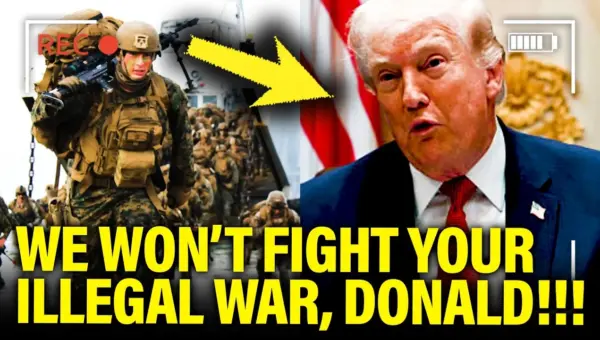
A 1,000% increase in conscientious objector requests from U.S. soldiers signals growing dissent against the escalating conflict with Iran. Service members cite the unprovoked nature of the war and a deadly school bombing as breaking points, questioning the moral implications of their potential actions and highlighting a crisis of confidence within the ranks.

Trump’s Iran Policy Fuels Public Disapproval, Experts Warn
Experts are warning that the Trump administration's approach to Iran, characterized by controversial rhetoric and unclear policies, is damaging its public image and potentially endangering U.S. service members. Critics argue that "vice signaling" and aggressive posturing are creating a toxic military culture and that political inaction in Congress stems from fear of primary challenges.
US General Warns Striking Iran’s Water Plants is a Mistake
Wall Street rallied on hopes for an end to the Iran conflict, but rising oil prices and disrupted shipping in the Strait of Hormuz persist. A retired four-star general warned that striking Iran's desalination plants would be a grave mistake, potentially violating international law and causing widespread damage.