Trump Eyes Birthright Citizenship Ban at SCOTUS
Donald Trump plans to attend the Supreme Court's hearing on birthright citizenship, a principle granting citizenship to those born in the U.S. He argues the 14th Amendment's original intent was to protect freed slaves' children, not benefit wealthy immigrants. This legal battle could redefine American citizenship.

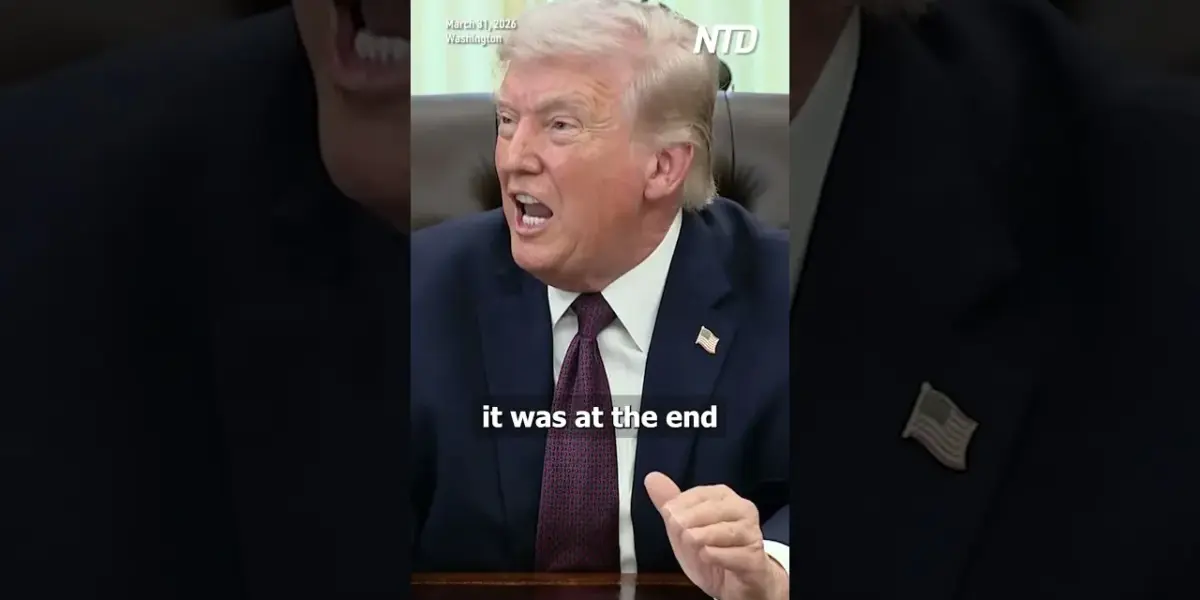
Trump to Attend Supreme Court Hearing on Birthright Citizenship
Former President Donald Trump announced he will attend the Supreme Court’s upcoming arguments concerning birthright citizenship. This move signals his continued focus on immigration policy and his administration’s past efforts to challenge the long-standing interpretation of the 14th Amendment. The Supreme Court will hear arguments that could potentially alter how citizenship is granted to children born in the United States.
What is Birthright Citizenship?
Birthright citizenship means that anyone born on U.S. soil is automatically granted citizenship. This principle is largely based on the 14th Amendment to the Constitution, ratified after the Civil War. The amendment states, “All persons born or naturalized in the United States, and subject to the jurisdiction thereof, are citizens of the United States and of the State wherein they reside.” For over a century, this has been widely understood to grant citizenship to nearly everyone born here, regardless of their parents’ immigration status.
Trump’s Stance and Executive Order
During his presidency, Trump sought to end birthright citizenship through an executive order. He argued that the current interpretation was being exploited. Trump specifically pointed to cases involving wealthy individuals from other countries who allegedly had many children in the U.S. solely to obtain American citizenship for them. He believes this circumvents the intended purpose of the 14th Amendment.
Trump stated, “This was about slaves. And if you take a look at when it was filed, all of this legislation, all of this, everything having to do with birthright citizenship, it was at the end of the Civil War. The reason was it had to do with the babies of slaves and the protection of the babies of slaves.”
He contrasted this historical context with what he sees as modern abuses. Trump feels the policy has been misapplied to benefit wealthy individuals rather than protect vulnerable populations, as was originally intended.
Historical Context and Original Intent
The concept of birthright citizenship in the U.S. is deeply rooted in the post-Civil War era. Following the abolition of slavery, the 14th Amendment was enacted in 1868. Its primary goal was to ensure that newly freed slaves and their children were recognized as full citizens. Before this amendment, the citizenship status of formerly enslaved people was uncertain.
Legal scholars and historians note that the amendment was a direct response to the need to define citizenship for all individuals born within the nation’s borders. The historical record suggests the framers intended to include all persons born in the U.S., thereby preventing a class of stateless individuals within the country. Trump’s argument suggests a narrower interpretation, focusing on the specific historical context of protecting former slaves’ children.
Arguments and Potential Implications
The Supreme Court’s hearing will involve complex legal arguments about the scope and meaning of the 14th Amendment. Opponents of Trump’s view argue that overturning birthright citizenship would be a radical departure from established law and could lead to significant social and legal upheaval. They emphasize that the amendment’s language is broad and has been consistently applied for generations.
The potential implications of changing birthright citizenship are far-reaching. It could affect millions of children born in the U.S. to parents who are not U.S. citizens. This could create a permanent underclass of citizens and raise serious questions about national identity and integration. The legal challenges and societal impact would likely be immense.
Why This Matters
This issue is crucial because it touches upon the fundamental definition of American citizenship and the rights of individuals born within the country. The 14th Amendment is a cornerstone of civil rights in the United States. Any reinterpretation could dramatically alter the lives of millions and reshape the nation’s demographic and legal landscape. Trump’s personal involvement underscores the political significance and the potential for this issue to remain a central theme in national discourse and future elections.
Future Outlook
The Supreme Court’s decision, whatever it may be, will have lasting consequences. If the court upholds the current understanding, birthright citizenship will remain intact. If the court rules in favor of a narrower interpretation or allows for significant changes, it could mark a historic shift in U.S. immigration and citizenship law. The legal battles and political debates surrounding birthright citizenship are likely to continue for years to come, regardless of the immediate outcome.
Source: Trump to Attend Supreme Court Arguments on Birthright Citizenship (YouTube)

Related Articles

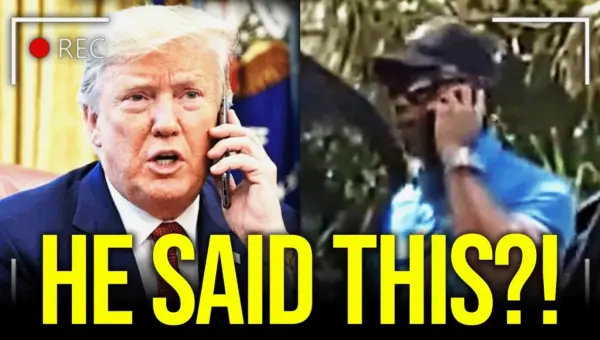
Tiger Woods Called Trump After Crash, Seeking ‘Daddy’s’ Help
Tiger Woods' immediate call to then-President Donald Trump after a near-fatal car crash and DUI arrest has sparked debate. The incident suggests a perception that powerful connections could offer a 'get out of jail free' card, raising questions about influence and the rule of law.

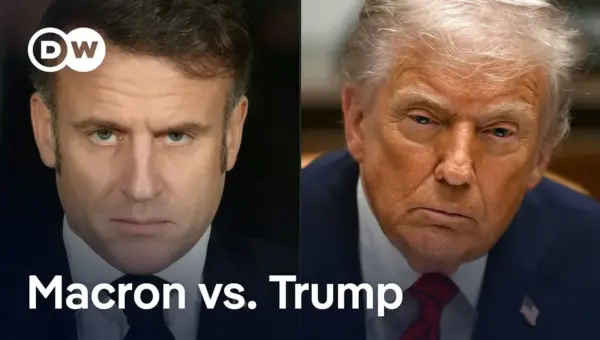
Macron Rejects Trump’s War Talk, Defends Diplomacy
French President Emmanuel Macron has sharply criticized Donald Trump's stance on Iran and NATO, advocating for diplomacy over military action in the Strait of Hormuz. Macron warned that a forceful approach would be unrealistic and could escalate regional conflict. The comments highlight a growing divergence in worldviews and France's continued push for European strategic autonomy.


Trump Fires Pam Bondi Over ‘Not Corrupt Enough’ Allegations
Pam Bondi has been fired as U.S. Attorney, reportedly due to President Trump's dissatisfaction with her inability to prosecute his perceived enemies. This move highlights concerns about political influence and personal vendettas within the Department of Justice. Analysts question the future of the DOJ's impartiality.