Trump Extends Iran Truce Amid Conflicting Signals, Troop Buildup
President Trump has extended a pause on threats against Iran, but conflicting statements from both sides and a significant U.S. troop buildup are fueling uncertainty and fears of escalation. The Strait of Hormuz remains a critical point of tension, impacting global oil markets.

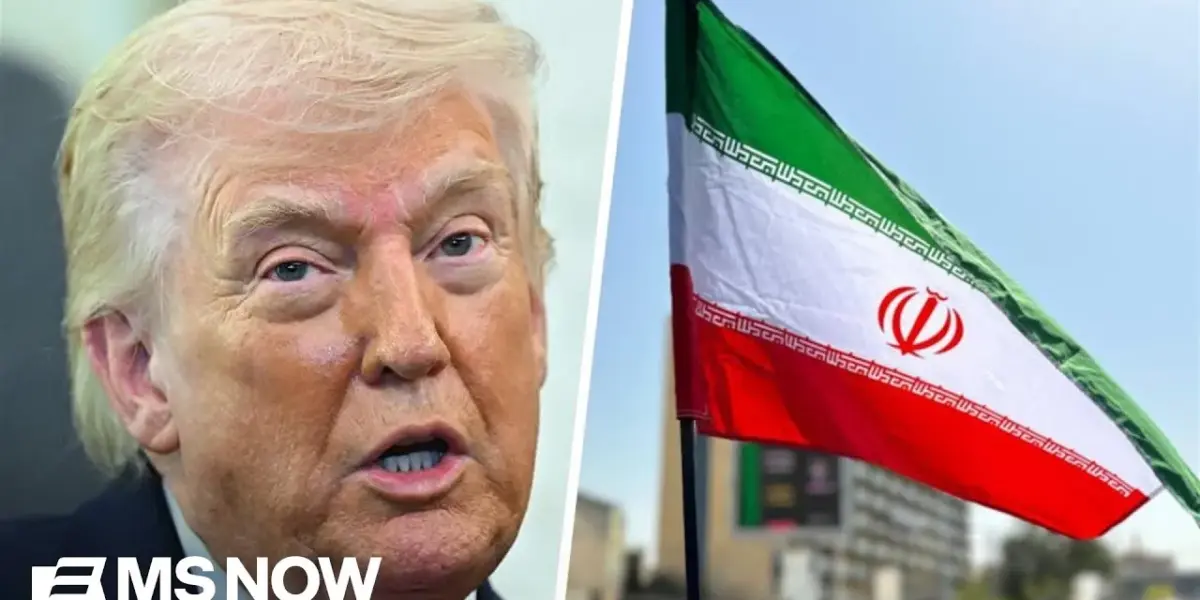
US Extends Iran Deadline Amid Diplomatic Uncertainty
President Trump announced an extended pause on threats to strike Iran’s power plants, delaying a potential major escalation of the conflict. This move, initially a 10-day extension after Iran reportedly asked for seven, has been met with confusion and skepticism. While the White House framed it as a diplomatic opening, Iran has denied requesting the pause and has continued to assert control over the Strait of Hormuz, a vital global oil route.
Conflicting Narratives Emerge
The situation is clouded by conflicting statements from both sides. President Trump claimed Iran was thankful for the 10-day extension, stating, “They asked for seven and I said, I’m going to give you 10.” However, Iran has strongly rejected this, denying any substantive talks or requests for a pause. This disagreement raises questions about the trustworthiness of information coming from both Washington and Tehran.
“On one side, you have Donald Trump and somebody like Pete Hegseth, who both of them, neither of them have any sort of credibility at all. They lie all the time. They misdirect people.”
Experts suggest that neither side may be entirely truthful, with Iran having little incentive to negotiate under current U.S. pressure. The lack of clear communication and trust makes it difficult to assess the true state of diplomatic efforts.
Troop Buildup Fuels Escalation Fears
Adding to the uncertainty, reports indicate the Pentagon is considering sending an additional 10,000 ground troops to the Middle East. This potential deployment, including units like the 82nd Airborne, known for rapid deployment into hostile territory, and the amphibious ship USS Tripoli carrying Marines, contradicts the idea of de-escalation. Analysts suggest these troop movements could signal preparations for a significant ground invasion or extensive attack within Iran.
The deployment of thousands of troops, along with naval assets, suggests a potential military objective beyond diplomacy. This buildup amplifies concerns that the conflict could be growing, rather than winding down. The U.S. is also reportedly considering targeting Iran’s energy infrastructure, a move that could devastate the Iranian regime but also cripple the global economy and potentially be classified as a war crime.
Strait of Hormuz Remains Critical Flashpoint
The Strait of Hormuz remains a key area of contention. Iran continues to exert control over this vital waterway, through which approximately 20% of the world’s oil typically passes. Iran’s actions in shutting down passage for vessels have already had a significant impact on global energy markets, with many countries experiencing economic hardship as a result.
The ongoing fighting between Iran and regional adversaries, including Israel, further complicates the situation. Overnight, Israel reportedly targeted areas in Tehran, while Iran retaliated with drone and missile strikes against Gulf nations like the UAE, Kuwait, Saudi Arabia, and Bahrain. The strike on Kuwait’s largest port highlights the tangible impact of the conflict on regional infrastructure.
White House Divided on War’s End
Internal divisions within the White House appear to be growing regarding the conflict. A senior official, speaking anonymously, suggested that President Trump’s claims of victory are largely exaggerated and driven by a desire to move on. “He’s just bored and he wants to move on,” the official stated, indicating that the President may not be fully engaged with the complexities of the situation.
This sentiment suggests a disconnect between the President’s desire for a swift resolution and the reality of a complex geopolitical crisis. Critics argue that this approach risks prolonging the conflict and endangering American troops. The lack of a clearly defined objective or end-game for the U.S. involvement leaves the situation precarious.
Looking Ahead: Awaiting Clarity
As the extended deadline approaches and troop movements continue, the world watches for clearer signals from the U.S. administration. The coming days will be crucial in determining whether diplomacy can prevail or if the situation will escalate further. The conflicting messages and actions create a tense atmosphere, leaving many to question the true intentions and strategy behind the U.S. approach to Iran.
Source: White House officials: Trump 'bored' with Iran war (YouTube)

Related Articles
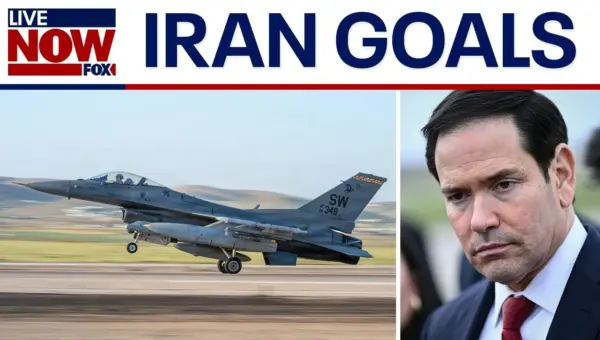
Rubio: US Can Achieve Iran War Goals Without Troops
Senator Marco Rubio outlined a strategy to counter Iran without deploying U.S. ground troops, focusing on weakening the regime and enhancing maritime security. He also criticized Cuba's economic system and expressed concerns about West Bank violence.


Israel Escalates Iran Strikes, Warns of Wider War
Israel has launched significant strikes inside Iran following continued missile fire, warning of further escalation. The conflict risks wider regional instability and economic disruption, especially concerning the Strait of Hormuz.

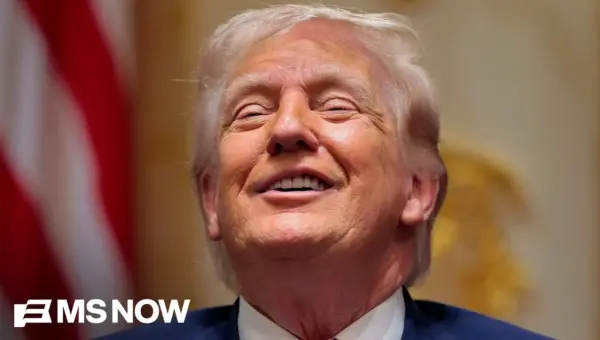
Trump’s Name Everywhere: A ‘Stain’ on GOP Legacy?
Former President Donald Trump's efforts to brand national symbols, including a proposed signature on dollar bills, spark debate. Critics view this as an authoritarian attempt to embed his legacy, potentially staining the Republican Party's history and contrasting with democratic ideals of public ownership.