Trump Extends Iran Talks, Signals Tough Stance
President Trump has extended crucial talks with Iran by 10 days, signaling a tough but open diplomatic approach. While projecting strength, the U.S. aims for long-term stability, emphasizing energy independence amid global market concerns.

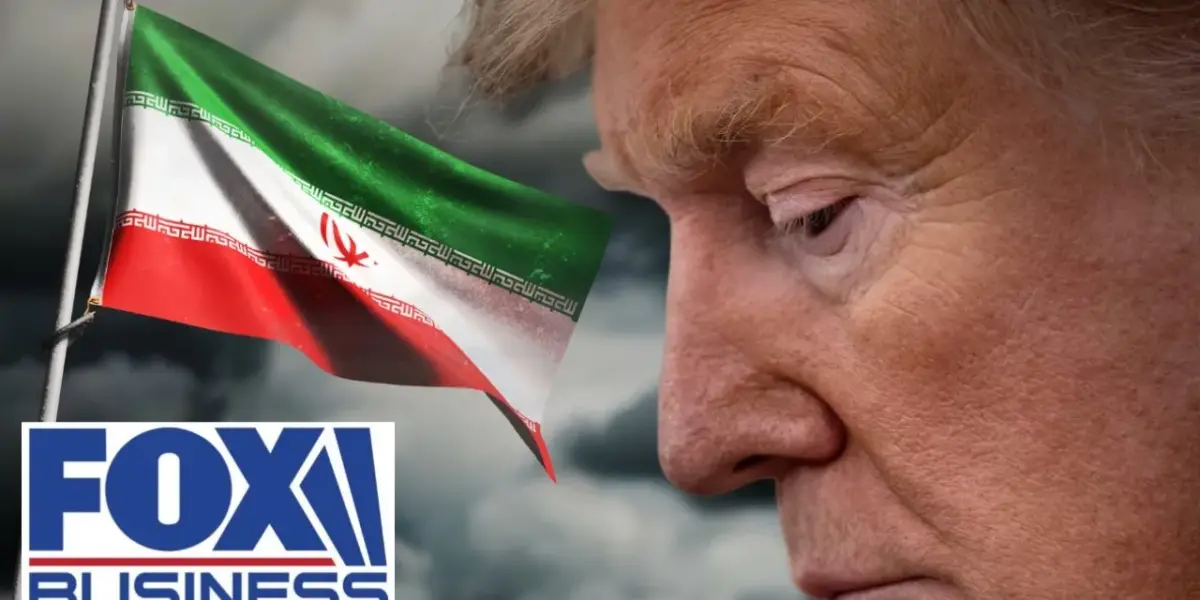
Trump Extends Iran Talks, Signals Tough Stance
President Trump has extended a deadline for planned strikes on Iranian energy infrastructure by 10 more days, signaling a willingness to continue diplomatic efforts while maintaining a firm negotiating position. The move comes as talks with Iran are ongoing, a development Trump himself highlighted, stating, “We have a lot of time. You know what, it is a day. In Trump time, a day you know what it is, that’s an eternity.” This suggests that even a short extension is significant in the President’s view.
The administration perceives Iran as potentially posturing during negotiations. President Trump has publicly stated his indifference to Iran’s perceived desperation, asserting, “If I were desperate, Pete would be the first to know. I am the opposite of desperate; I don’t care.” This tough talk underscores a strategy of projecting strength and unwavering resolve in the face of international diplomacy.
Iran’s Negotiating Position
Ellie Cohanim, former Deputy Special Envoy to Combat Anti-Semitism, explained the current situation. She noted that the United States has presented Iran with a 15-point framework for a deal. Despite claims to the contrary, talks are indeed happening, confirmed by various sources. Cohanim emphasized that President Trump will accept nothing less than his demands, pointing to what she described as one of the world’s most successful military campaigns as providing significant negotiation leverage.
“The question is, will Iranians change their pattern? Prior to Operation Midnight Hour, the Iranian comment reading room [sic] wrong and negotiating as if they do have leverage. This is where the gap is,” Cohanim stated. She added that President Trump always likes to give diplomacy an option, but he is also bringing more assets to the region, keeping his options open and signaling a readiness to use force if necessary.
A Generous Extension
The 10-day extension was reportedly at Iran’s request. “The Iranians asked me to do it,” President Trump said. “Well, they asked me through my people, ‘Could we have more time as we negotiate?’ He said they asked for seven, I gave them 10.” This detail, openly shared by the President, highlights his transparent approach to negotiations and perhaps aims to unsettle Iran’s diplomatic strategy.
The administration views Iran as being in a bind, largely due to their accustomed approach under previous U.S. administrations. “They got so used to Barack Obama and Joe Biden, and this is a very different sheriff in town,” Cohanim observed. She described President Trump’s negotiation style as strong and authoritative, likening it to “The Art of the Deal.”
Market Volatility and Long-Term Gains
While there is acknowledged market volatility and concern surrounding the Strait of Hormuz, the administration frames the current situation as potentially involving short-term pain for long-term gain. The goal is to change the course of history in dealing with the Islamic Republic regime, which has a long history of anti-American sentiment and actions. The President’s approach is presented as safeguarding national security, which is considered the foundation of American prosperity, freedom, and way of life.
Cohanim urged patience, stating, “This is not a forever war, nothing like in Iraq. But, just a little bit more patience. We’ll see if Iranians go the diplomatic route or if they will need to suffer more pain.”
Energy Independence and the Strait of Hormuz
Regarding the Strait of Hormuz, a new report indicates Iran’s intention to legislate fees for ships passing through. However, President Trump reassured the nation, stating, “We don’t need it. We have so much oil. Our country is not affected by this.” He pointed out that the U.S. has twice the amount of oil as Saudi Arabia or Russia, and expects to triple that amount soon, highlighting the nation’s growing energy independence.
While the Strait of Hormuz is not primarily a U.S. problem, but rather a concern for Europe, Asia, and the Middle East, the U.S. is taking steps. These include a U.S. government-backed insurance program for naval ships passing through with an escort. Furthermore, over 20 countries have reportedly offered to help secure the Strait of Hormuz through American diplomacy.
The market impact of these developments is tied to global oil supply. Reports suggest the oil market is well-supplied, partly due to significant releases of petroleum by participating nations. While the U.S. is an energy exporter, consumers still pay global prices, which can affect drivers and everyday costs. The administration’s energy policy is seen as a key factor in this evolving global energy landscape.
Market Impact
The ongoing diplomatic efforts and potential for increased tensions in the Middle East can introduce volatility into global energy markets. While the U.S. is increasingly energy independent, global oil prices remain a key factor affecting consumers worldwide. The administration’s strategy of projecting strength while engaging in diplomacy aims to achieve a favorable long-term outcome, potentially stabilizing energy flows and reducing geopolitical risk, though the path may involve short-term market fluctuations.
Investors and businesses closely watch developments in the Strait of Hormuz, a critical chokepoint for global oil shipments. Any disruption could lead to price spikes. However, increased U.S. oil production and the diversification of supply routes by international partners may mitigate some of these risks. The success of diplomatic negotiations will be a key determinant of future market stability.
Source: Trump warns Iranian negotiators to get serious SOON (YouTube)

Related Articles
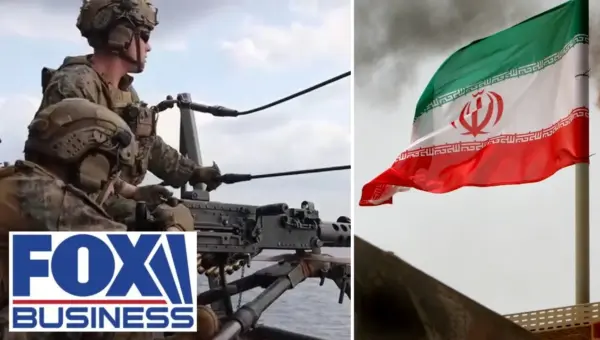
Pentagon Weighs 10,000 Troops for Iran Showdown
The Pentagon is reportedly weighing a significant troop increase of 10,000 soldiers to the Middle East, potentially escalating tensions with Iran. This move comes amid reports of U.S. precision strikes and interceptions of Iranian missiles by allies, raising concerns about regional stability and global oil supplies.

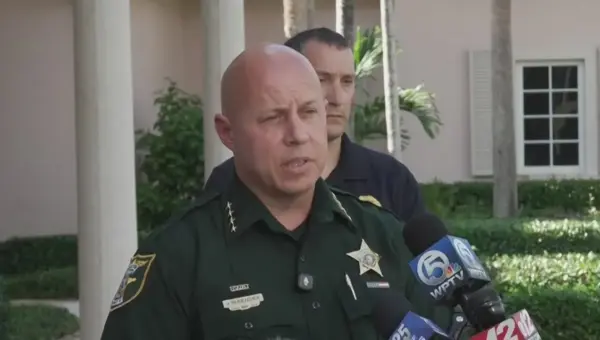
Tiger Woods DUI Arrest Sparks Political Ripples
Golf legend Tiger Woods was arrested for DUI in Florida after a rollover crash, showing signs of impairment not related to alcohol. President Trump commented on the incident, noting a personal connection through Woods' girlfriend.
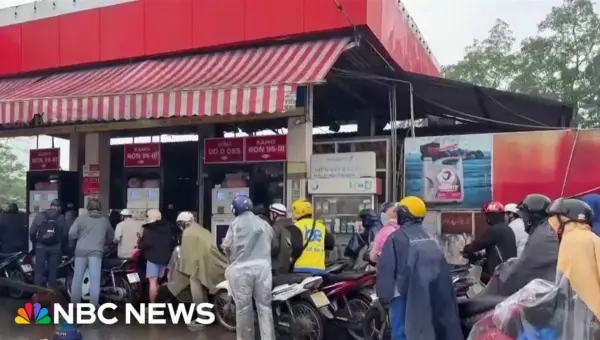
Asia Faces Oil Shortages as Middle East War Disrupts Global Energy
A war in the Middle East has triggered widespread oil and gas shortages across Asia, leading to protests, rationing, and long fuel lines. The crisis, described as the largest supply disruption in history, is forcing governments to take drastic measures and is creating economic strain throughout the continent. Analysts are closely watching the Strait of Hormuz and diplomatic efforts to ease the energy emergency.