Trump Extends Iran Strike Pause Amidst Deal Talks
President Trump extended a pause on potential strikes against Iranian energy sites, stating Iran is seeking a deal. The US has hit over 10,000 targets in Iran, with the President claiming the regime is militarily defeated. This strategic move combines military pressure with diplomatic overtures.

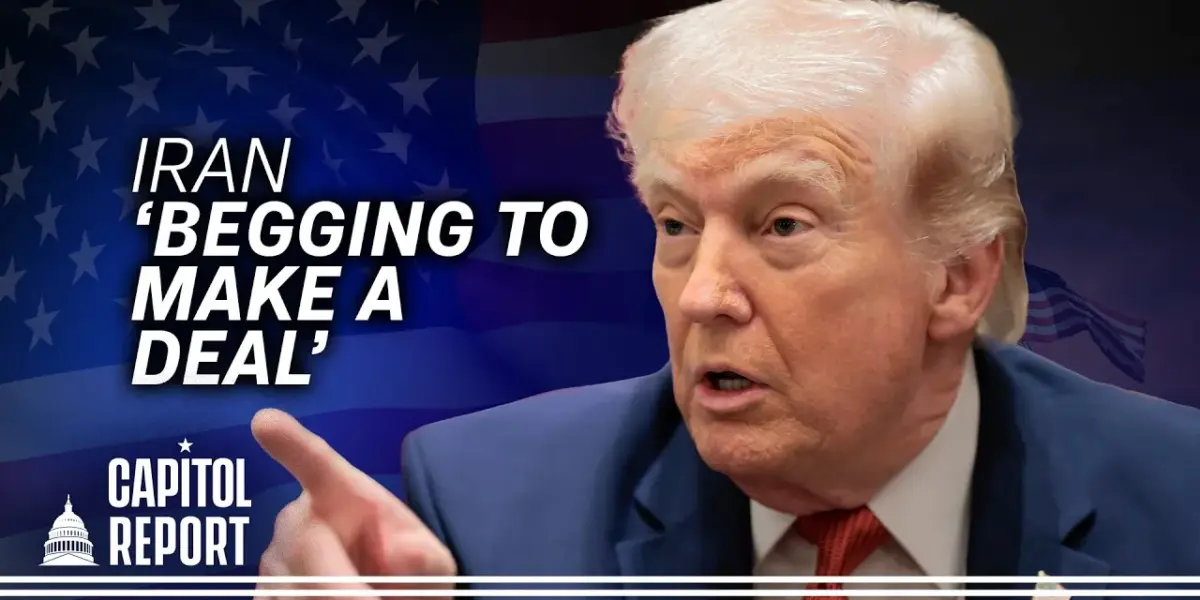
Trump Extends Iran Strike Pause Amidst Deal Talks
President Trump has decided to extend the pause on potential strikes against Iranian energy sites for another ten days. This move comes as the President stated that the Iranian regime is actively seeking a deal with the United States. He believes their military has no chance of recovering from recent actions. The pause will now last until Monday, April 6th, at 8:00 p.m. Eastern time. This decision was reportedly requested by the Iranian government itself.
According to President Trump, talks with Iran are progressing well. This comes at a time when Operation Epic Fury is reportedly ahead of schedule. The US Central Command announced they have already hit over 10,000 targets within Iran. President Trump has asserted that the Iranian regime is defeated and has “zero chance of a comeback.”
The President directly addressed the situation, stating, “They are begging to make a deal, not me. They’re begging to make a deal.” He further explained that the reason for this is that they have been significantly weakened militarily. He described the Iranian negotiators as “very different and strange,” emphasizing their desire for a deal given their current military standing. Trump warned that Iran needs to “get serious soon before it is too late,” suggesting that if they don’t permanently abandon their nuclear ambitions, the US will remain their “worst nightmare.”
Internal Admissions and Media Criticism
Reports suggest that the Iranian regime is privately admitting to heavy losses. This internal acknowledgment contrasts with their public statements. War Secretary Pete Hegath highlighted this difference between what the regime says publicly and what is discussed in private negotiations. President Trump also criticized media outlets, like The New York Times and The Wall Street Journal, for reporting that the US is desperate to make a deal. He strongly refuted these claims, stating he is the opposite of desperate and has other targets in mind before any departure.
Economic Strategy and Long-Term Planning
Treasury Secretary Scott Besson anticipates that energy prices and inflation will decrease following the operation. He reminded Americans that the groundwork for these successes was laid well in advance. The strategy to weaken Iran’s ability to fund operations and acquire weapons involved months of careful preparation. In 2015, the US Treasury stepped up its “maximum pressure” campaign. This campaign targeted shadow banking, oil smuggling, and weapons proliferation. It resulted in sanctions against over 875 entities and individuals, aiming to cut off the regime’s funding.
Besson also expressed confidence that shipping traffic will continue to rise daily, even before the US fully secures the Strait of Hormuz. He described the situation as a military conflict where US forces are performing exceptionally. On the other side, Iran is attempting to control the global economy through a choke point. The US believes this choke point is not a significant threat and will be overcome.
Diplomatic Developments and Domestic Action
In a separate development, President Trump addressed a mystery regarding a gift from Iran. He revealed that the Iranian regime allowed ten oil tankers, believed to be flagged by Pakistan, to pass through the Strait of Hormuz. This information was shared as US Special Envoy Steve Witoff mentioned that the US has presented a 15-point proposal to Iran. This proposal was reportedly mediated by the Pakistani government.
Closer to home, President Trump announced he would sign an emergency order to immediately pay TSA agents. This action comes as Congress continues to struggle to pass a funding deal for the Department of Homeland Security. The much-needed pay for TSA agents has been long awaited.
Why This Matters
This series of events highlights a complex interplay between military action, diplomatic negotiation, and economic strategy. President Trump’s decision to extend the pause on strikes, coupled with his claims of Iran’s eagerness for a deal, suggests a potential shift in the ongoing tensions. The administration’s approach appears to be a blend of strong military pressure and an open door for negotiation, aiming to force Iran to abandon its nuclear ambitions. The emphasis on a long-term economic strategy to cut off funding for Iran’s activities shows a deliberate and systematic effort to weaken the regime’s capabilities over time. This contrasts with immediate military responses and aims for a more lasting impact.
Implications and Future Outlook
The extension of the pause could signal a period of intensified diplomatic efforts. If Iran is indeed “begging” for a deal, as President Trump claims, this could lead to significant concessions from their side. However, the President’s strong language and the ongoing military operations suggest that the US maintains a firm stance. The success of these negotiations will likely depend on the verification of Iran’s commitment to abandoning its nuclear program and reducing its regional influence. The impact on global energy markets also remains a key factor, with the US aiming to stabilize prices and counter Iran’s influence in crucial shipping lanes like the Strait of Hormuz.
Historical Context
The current situation builds upon decades of strained relations between the US and Iran. Following the 1979 Iranian Revolution, diplomatic ties were severed, and tensions have periodically escalated. The US has consistently sought to curb Iran’s nuclear program and its support for regional militant groups. The “maximum pressure” campaign, intensified in 2015, represents a sustained effort to isolate Iran economically and militarily. This strategy aims to force the regime to alter its behavior without resorting to direct, large-scale conflict. The repeated extensions of the strike pause, while maintaining military readiness, indicate a preference for de-escalation through diplomatic channels, albeit under considerable pressure.
Source: Trump Extends Pause on Potential Strikes on Iranian Energy Sites to April 6 (YouTube)

Related Articles
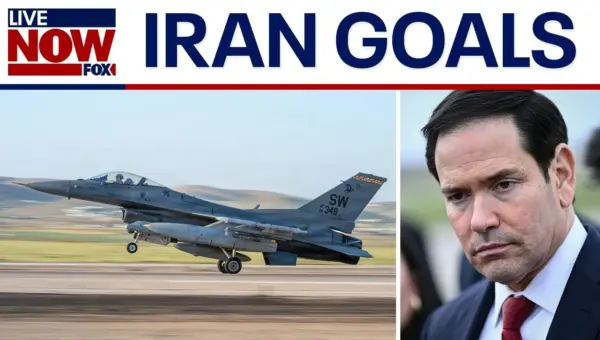
Rubio: US Can Achieve Iran War Goals Without Troops
Senator Marco Rubio outlined a strategy to counter Iran without deploying U.S. ground troops, focusing on weakening the regime and enhancing maritime security. He also criticized Cuba's economic system and expressed concerns about West Bank violence.
Trump’s “Walk Away” Tactic Signals Tougher Stance on China
Retired Air Force Brigadier General David Stillwell believes President Trump's strategy of being willing to walk away from negotiations puts pressure on China. This tactic, combined with US global actions and strengthened alliances, signals a more assertive American foreign policy.
House Republicans Reject Senate Deal, Sparking Government Funding Clash
House Republicans have rejected a Senate bill to end the government shutdown, citing insufficient border security measures. Congressman Randy Fine called the Senate deal a "disgrace" and highlighted the ongoing fight for full government funding. President Trump's executive order to pay TSA agents offers temporary relief, but the core disagreement over border security continues to paralyze Washington.