Trump Exposes Congressman’s Grim Diagnosis: A New Era of Privacy Breach?
Former President Trump's revelation of Congressman Neal Dunn's private, terminal diagnosis has ignited a debate on privacy and consent for public figures. This incident raises concerns about the ethical boundaries in political discourse and the vulnerability of personal health information.

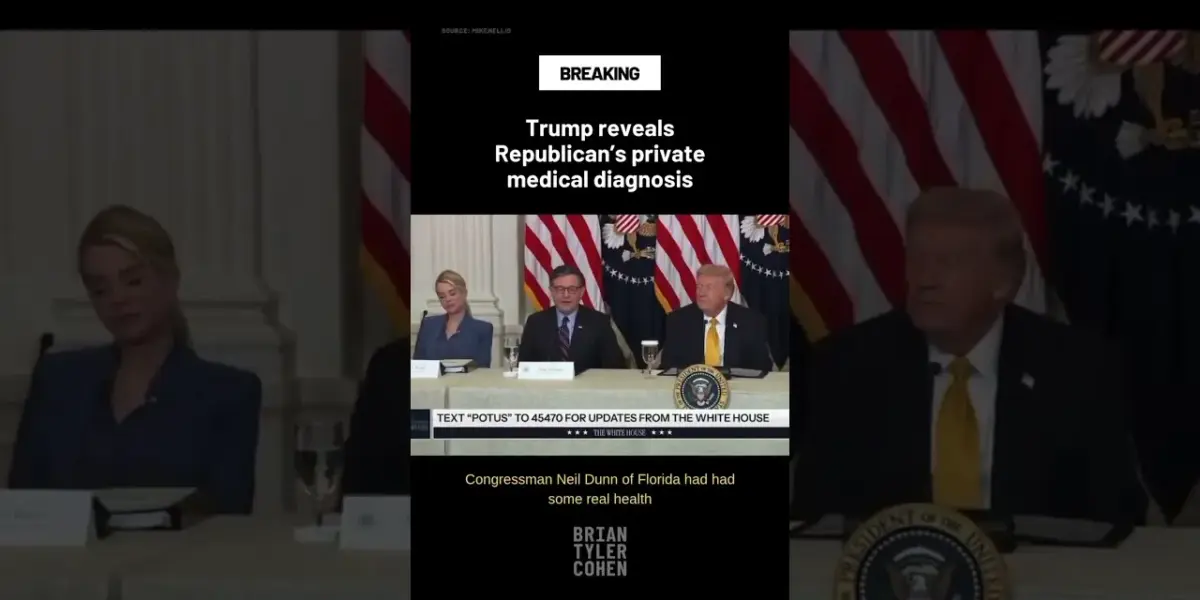
Trump Exposes Congressman’s Grim Diagnosis: A New Era of Privacy Breach?
In a recent exchange that has raised eyebrows and sparked debate, former President Donald Trump, in his characteristic unfiltered style, revealed the private medical diagnosis of Congressman Neal Dunn of Florida. The disclosure, made during an informal conversation, paints a stark picture of Dunn’s past health struggles and raises significant questions about the boundaries of privacy, especially for public figures, and the implications of sharing sensitive personal information, even in seemingly casual contexts.
The Revelation and Its Context
The exchange, captured in a brief transcript, involved Trump and an unnamed individual discussing Congressman Dunn’s severe health challenges. According to the transcript, Dunn had faced a “grim diagnosis,” which the individual described as potentially “terminal.” The individual recounted telling Trump that Dunn was a “real champion and a patriot” for continuing to work despite the severity of his condition, implying that many others would have chosen retirement. Trump’s subsequent interjection, asking if he should mention Dunn’s name, and the affirmative response, led to the identification of the Congressman and the confirmation of the “grim” and previously non-public nature of his diagnosis, including a specific timeline that he “would be dead by June.”
A Question of Consent and Public Interest
The core of this incident lies in the revelation of private medical information without explicit consent. While the transcript suggests a back-and-forth about whether to name the Congressman, the ultimate decision to share the details of his diagnosis, even if framed as an act of admiration for his resilience, crosses a significant ethical line. Medical diagnoses are inherently personal, protected by laws and societal norms that prioritize patient confidentiality. The fact that this information was not public further underscores its sensitive nature.
One perspective is that Trump, in his eagerness to highlight Dunn’s strength and dedication, may have overlooked or downplayed the importance of medical privacy. His supporters might argue that the intention was not malicious but rather to praise a fellow Republican and illustrate the commitment of public servants. However, this argument falters when considering the potential for such disclosures to cause distress to the individual involved, their family, and their constituents. It also sets a dangerous precedent for how medical information of public figures is handled.
Conversely, critics point to this incident as further evidence of Trump’s disregard for personal boundaries and privacy. They argue that regardless of the intent, the act of revealing a private, life-threatening diagnosis is a profound breach of trust. The medical details, particularly the prognosis of being “dead by June,” are intensely personal and were clearly not intended for public consumption. The subsequent confirmation that this was “not public” highlights the transgression.
Historical Precedents and Political Discourse
The intersection of health and politics has a long and often sensitive history. In the past, the health of presidential candidates and leaders has been a subject of intense public scrutiny. However, this scrutiny has typically focused on information that was either voluntarily disclosed by the candidate or deemed relevant to their ability to perform their duties. The unauthorized disclosure of specific, private medical diagnoses, especially those involving terminal prognoses, is a more extreme and ethically questionable form of engagement.
Historically, politicians have sometimes used health narratives to their advantage, showcasing resilience or garnering sympathy. However, the narrative here is different – it’s not about a politician revealing their own health journey, but about another individual disclosing a deeply personal and grim diagnosis without apparent consent. This raises the question of whether this is a new tactic in political discourse, or simply an isolated incident stemming from a lack of discretion.
Implications for Public Figures and Privacy
This incident has significant implications for public figures, particularly elected officials. It underscores the vulnerability of their personal health information. If a former President can reveal such sensitive details about a sitting Congressman, it raises concerns about what other private information might be shared, intentionally or unintentionally, by those in positions of power.
The expectation of privacy for public figures is often debated. While their public roles necessitate a certain level of transparency, their fundamental right to privacy, especially concerning their health, should remain paramount. The unauthorized disclosure of a terminal diagnosis challenges this fundamental right. It could lead to increased anxiety for politicians about their personal health information being weaponized or casually disseminated.
The Future Outlook: A Call for Greater Scrutiny
The casual manner in which such a profound piece of personal information was shared is troubling. It suggests a potential erosion of the understanding and respect for medical privacy in the public sphere. As political discourse becomes increasingly personalized and often sensationalized, the risk of private details being exposed grows. This event serves as a stark reminder of the need for greater discretion and ethical consideration when discussing the personal lives of others, especially when it involves sensitive medical information.
Moving forward, it will be crucial to observe how public figures and the media handle such disclosures. Will this incident lead to stronger norms around medical privacy for politicians? Or will it pave the way for more invasive revelations, blurring the lines between public service and private life even further? The ultimate impact will depend on the collective response and the commitment to upholding the dignity and privacy of individuals, regardless of their public standing.
Why This Matters
This event matters because it touches upon fundamental ethical principles of privacy and consent, especially in the context of public life. The unauthorized disclosure of a deeply personal and grim medical diagnosis, even if intended as a testament to resilience, sets a concerning precedent. It highlights the potential for private health information to be casually shared or even weaponized in political arenas, impacting not only the individual concerned but also eroding the trust and boundaries essential for respectful public discourse. The incident compels us to consider the evolving landscape of privacy for public figures and the ethical responsibilities of those who hold positions of influence.
Source: Trump reveals Republican’s private medical diagnosis (YouTube)

Related Articles

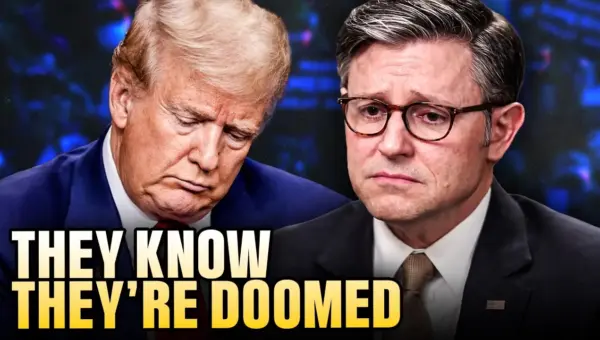
Polls Spell Doom: Republicans Face Voter Backlash
New polling data reveals a sharp decline in public confidence regarding the economic impact of Republican policies, particularly under Donald Trump. A significant majority now feel financially worse off, a trend that is especially pronounced among independent voters. This economic discontent poses a major challenge for the Republican party heading into future elections.

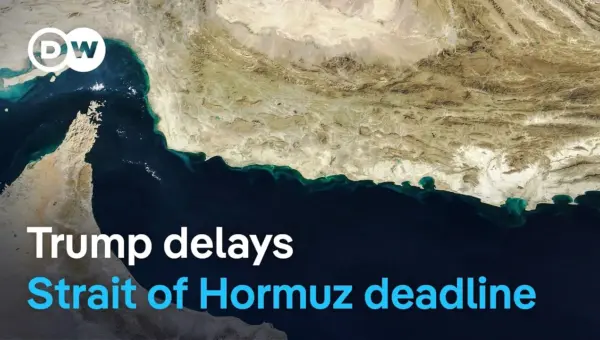
Trump Delays Iran Strike Deadline Amidst Shifting Diplomacy
President Donald Trump has extended his deadline for potential strikes on Iranian energy plants to April 6th, amid reports of U.S.-Iran diplomatic talks mediated by Pakistan. This move comes as Israel continues its strikes on Iran and the U.S. deploys additional military assets to the region. Analysts point to mixed signals, economic pressures, and strategic miscalculations as key factors shaping the evolving situation.
Iran War Claims Ring Hollow as US Troops Injured in New Attack
Days after Donald Trump claimed "we've won" the war with Iran, a new attack injured approximately a dozen U.S. troops and damaged aircraft. This incident contradicts Trump's assertions of victory and raises serious questions about the strategy and reality of the ongoing conflict.