Trump Explores NATO Exit Amid Iran Cease-Fire Deal
President Trump is considering a U.S. exit from NATO while the White House announces a cease-fire agreement with Iran. Vice President Vance will lead peace talks, marking a potential major shift in global security and Middle East diplomacy.

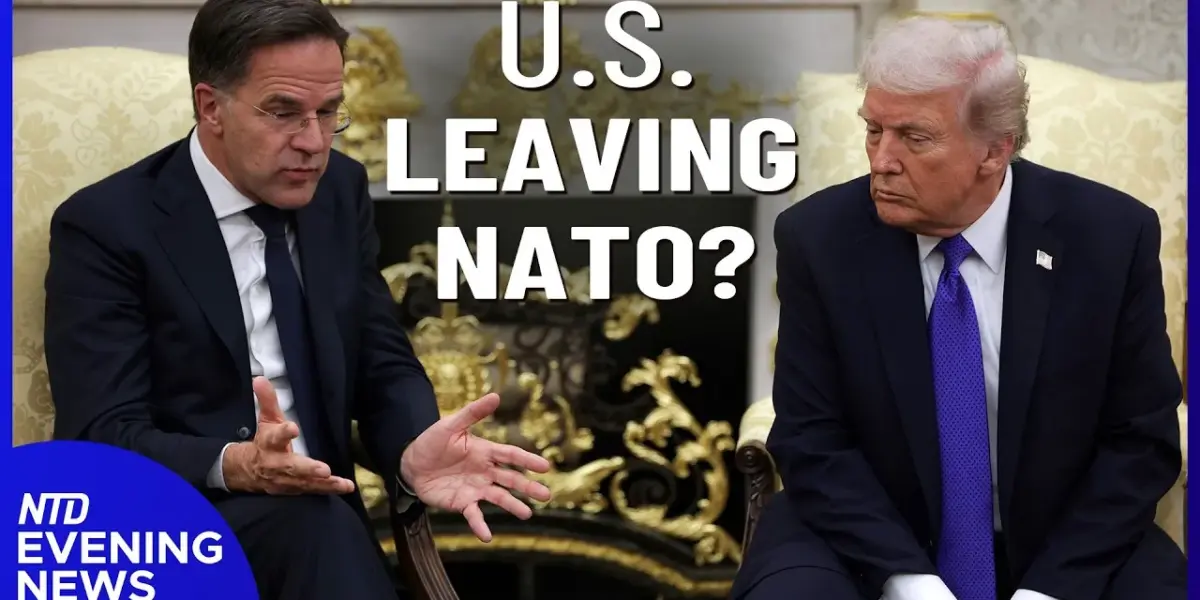
Trump Explores NATO Exit Amid Iran Cease-Fire Deal
President Donald Trump has signaled a major shift in foreign policy, suggesting the U.S. might leave the NATO alliance. This comes as the White House announced a significant development in the Middle East: Iran has agreed to a cease-fire proposal. Vice President JD Vance will lead the U.S. delegation for peace talks with Iran.
Trump called the cease-fire a “big day for world peace.” The Pentagon stated that all military objectives in the conflict with Iran have been met. Vessels are already passing through the Strait of Hormuz, a key shipping route. U.S. troops are on standby, ready to restart operations if the cease-fire fails.
Shifting Alliances and Foreign Policy
The potential U.S. exit from NATO is a significant departure from decades of American foreign policy. NATO, the North Atlantic Treaty Organization, was formed after World War II to provide collective security against the Soviet Union. For over 70 years, it has been a cornerstone of Western defense, with member nations pledging to defend each other if attacked. Trump has often questioned the value of alliances, arguing that the U.S. bears too much of the cost and that other nations do not contribute enough to their own defense.
His past criticisms have focused on what he sees as unfair burden-sharing, particularly regarding defense spending by European allies. Some supporters of Trump’s stance believe that reducing U.S. commitments abroad could allow the nation to focus more on domestic issues and save taxpayer money. Critics, however, warn that withdrawing from NATO could destabilize Europe, embolden adversaries like Russia, and weaken the U.S.’s global influence.
A New Path in the Middle East?
The announcement of Iran’s agreement to a cease-fire proposal marks a potential turning point in a long-standing regional tension. For years, the U.S. and Iran have been at odds, with periods of direct conflict and proxy disputes. The Strait of Hormuz is a critical chokepoint for global oil supplies, and its security is vital for international trade.
The Pentagon’s declaration that military objectives are achieved suggests a belief that U.S. military action has successfully achieved its aims, perhaps by degrading Iran’s military capabilities or deterring further aggression. The successful passage of vessels through the strait indicates a de-escalation of immediate threats. The readiness of U.S. troops to resume combat, however, highlights the fragile nature of the agreement and the need for continued vigilance.
Historical Context of U.S. Foreign Policy
U.S. foreign policy has historically swung between engagement and isolationism. After World War I, the U.S. largely retreated from global affairs, a period often referred to as isolationism. However, World War II and the subsequent Cold War led to a deep involvement in international security through alliances like NATO and military presence worldwide.
Recent decades have seen ongoing debates about the costs and benefits of this global engagement. Some argue that American leadership is essential for maintaining international stability and promoting democracy. Others contend that prolonged military interventions and extensive alliance commitments drain resources and can lead to unintended consequences, advocating for a more restrained approach.
Why This Matters
The potential withdrawal from NATO and the cease-fire with Iran, if they hold, represent significant shifts in global power dynamics. A U.S. departure from NATO would fundamentally alter European security architecture, potentially creating a power vacuum and increasing instability. It would force European nations to reassess their defense strategies and potentially increase their own military spending significantly.
On the diplomatic front, the cease-fire with Iran, brokered with U.S. involvement, could reduce regional conflict and open avenues for further negotiation. However, the long-term success of such agreements often depends on sustained diplomacy, mutual trust, and the willingness of all parties to uphold their commitments. The Pentagon’s readiness to re-engage militarily underscores the challenges in achieving lasting peace in volatile regions.
Implications, Trends, and Future Outlook
The U.S. is at a crossroads regarding its role in the world. The current administration’s willingness to question long-standing alliances and pursue direct negotiations with adversaries suggests a trend toward a more transactional and less ideologically driven foreign policy. This approach prioritizes perceived national interests and direct outcomes over multilateral commitments.
If the U.S. does distance itself further from NATO, we could see a rise in regional security pacts or a greater emphasis on bilateral agreements. The success of the Iran cease-fire will be closely watched. A lasting peace could signal a new approach to Middle Eastern diplomacy, while a breakdown could lead to renewed conflict. The world is watching to see if these significant policy shifts will lead to greater stability or more uncertainty.
Source: Trump Weighs NATO Exit; Pentagon: All Objectives Achieved in Iran | NTD Evening News (Apr. 8) (YouTube)

Related Articles

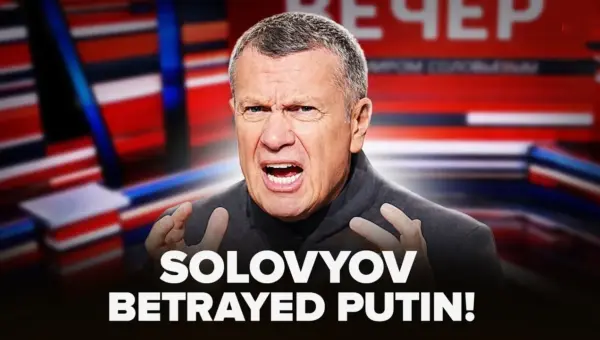
Ukraine Strikes Deep; Russian State TV Rages
Ukrainian drones are increasingly striking deep inside Russia, hitting vital oil infrastructure over 1,000 kilometers away. This escalates battlefield reality, met with furious rhetoric on Russian state TV, where commentators like Vladimir Solovyov shift from threats to frustrated demands for action.
Oil Prices Soar Past $100 After US Announces Iranian Port Blockade
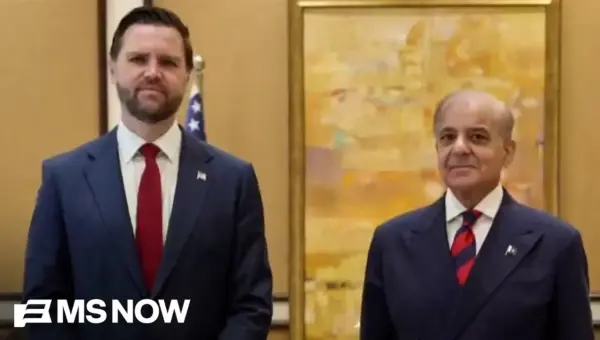
Global oil prices surged past $100 a barrel following a U.S. Navy announcement of a blockade on Iranian ports. The move comes after 21 hours of stalled negotiations, with experts questioning the effectiveness of the U.S. strategy. The standoff raises concerns about economic stability and potential international repercussions.
Iran Oil Blockade Tightens, Shifting Global Energy Markets
A stringent blockade on Iran's oil sales is tightening, significantly impacting global energy markets and exerting economic pressure on Tehran. The move, led by the U.S., aims to curb Iran's nuclear ambitions and regional influence, while also sparking debate about international alliances and energy independence.