Trump Escalates Iran War, Risks Global Oil Crisis
Donald Trump is reportedly escalating the conflict in Iran, considering a dangerous special forces mission to seize enriched uranium. His aggressive stance on seizing oil and potential ground invasions risks a wider war and a global oil crisis, with prices potentially reaching $200 a barrel.

Trump Escalates Iran War, Risks Global Oil Crisis
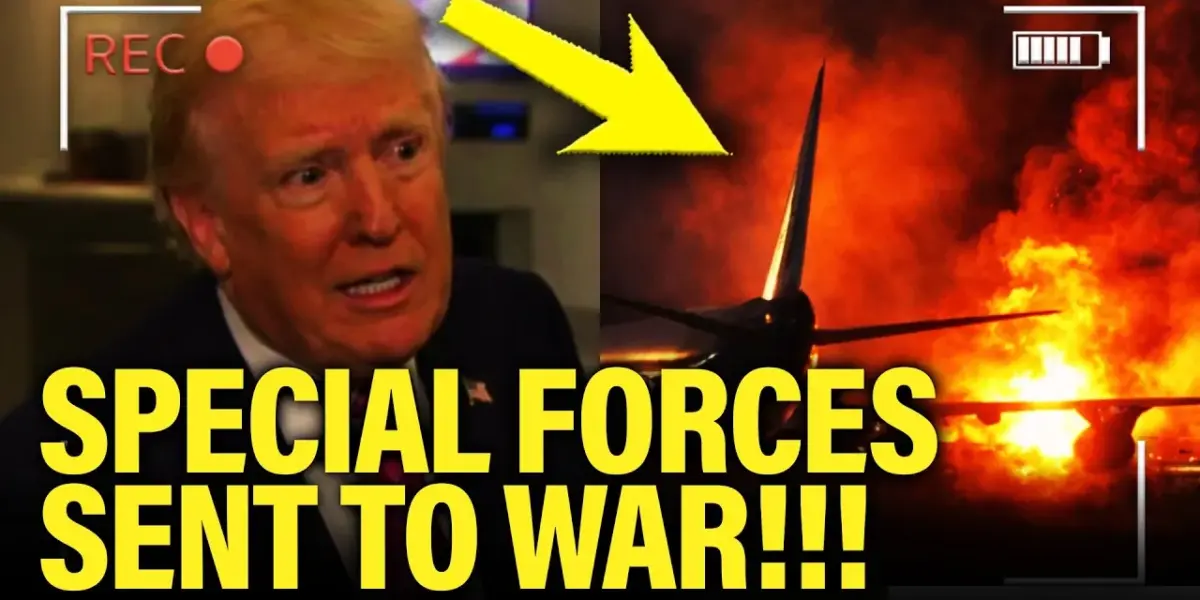
Reports indicate that Donald Trump is considering a significant escalation of the conflict in Iran. This move involves sending special forces into the country to retrieve nearly 1,000 pounds of highly enriched uranium. This mission is described as extremely complex and dangerous, potentially placing hundreds of American troops in Iran for an extended period. The operation could also prolong the war for many months.
This development comes as several hundred US special operations forces, including Army Rangers and Navy SEALs, have arrived in the Middle East. They join thousands of Marines and Army paratroopers already deployed. This buildup is intended to provide Trump with more options for expanding the month-long conflict. Planning for possible ground invasions is reportedly underway, according to The New York Times and The Wall Street Journal.
The urgency of securing the uranium appears to be a major driver. However, the risks are substantial. Experts warn that any attempt to seize nuclear material by force would be one of the most challenging operations ever ordered. It would likely trigger strong retaliation from Iran and could extend the conflict far beyond the initially projected four to six weeks.
A Risky Mission
Military experts outline a daunting scenario for the potential uranium seizure. US forces would likely face surface-to-air missiles and drones upon arrival. Once on the ground, they would need to secure perimeters to allow engineers to search for the material. This search could involve navigating debris, mines, and booby traps. An elite special operations team, specifically trained for handling radioactive materials, would likely be needed for the extraction itself.
The uranium is reportedly stored in specialized cylinders. These would need to be placed in transport casks, a process that could fill several trucks. The entire operation, from arrival to extraction, could take several days or even a week. Experts also note the logistical challenge of setting up a makeshift airfield if one is not readily available for transporting equipment and the nuclear material out.
Trump’s Bold Statements on Oil and Control
Adding to the tension, Donald Trump has spoken openly about seizing Iran’s oil. In an interview with the Financial Times, he stated, “My favorite thing is to take all of the oil of Iran.” He also mentioned considering taking Kharg Island, Iran’s main oil export hub. Trump compared Iran to Venezuela, suggesting the US could control its oil indefinitely.
He expressed confidence in Iran’s defenses, stating, “I don’t think they have any defense. We could take care of it all very easily.” Trump suggested that such an action would require an occupation and that he has the “appetite for it.” He also claimed that his MAGA supporters would be happy with a war in the Middle East.
Iran’s Response and Preconditions
Despite Trump’s claims, Iranian leadership has presented a different picture. They state that they have not agreed to any 15-point plan proposed by the US. Iran’s preconditions for any negotiations are extensive. They demand reparations from the United States, security guarantees that the US and Israel will not strike Iran or its allies again, and the removal of US military bases from the region.
Iran also insists on retaining its ballistic missile program and its right to enrich uranium in the future. Iranian officials have mocked the idea of Trump’s diplomatic approach, with one calling it “six-dimensional chess.” They argue that before the conflict, Iran controlled the Strait of Hormuz, and now, due to the situation, the world may have to pay tolls to Iran.
Wider Regional Impact and Economic Fears
The conflict is already having broader regional effects. Reports indicate Iranian attacks on neighboring countries, including Kuwait and Bahrain, targeting infrastructure and military interests. Iran-backed militias in Iraq have also been active, targeting military bases and even an Iraqi Air Force transport plane at Baghdad International Airport.
The potential for a wider conflict has raised serious concerns about global oil prices. Analysts are considering the possibility of oil prices surging to $200 a barrel. Brent crude is already trading above $115 a barrel, and WTI crude is over $100. Iran is seen as being in a strong position to inflict economic pain on the United States through a prolonged war of attrition.
Historical Context and Misinformation
The current situation echoes past geopolitical tensions in the Middle East. The US has a history of military involvement and intervention in the region. Trump’s rhetoric often draws on a narrative of American strength and dominance, sometimes overlooking complex realities on the ground.
There are also accusations of misinformation surrounding the conflict. The transcript highlights instances where Trump’s statements about the situation, such as the escort of oil tankers through the Strait of Hormuz, were reportedly inaccurate or misleading. Iran has also released animations that mock Trump and depict the destruction of US military assets.
Why This Matters
The escalating conflict in Iran, coupled with Trump’s aggressive rhetoric and proposed actions, poses significant risks. A direct military confrontation could lead to widespread instability in the Middle East, further fuel regional proxy conflicts, and cause immense human suffering. The potential disruption to global oil supplies could trigger an economic crisis, impacting prices worldwide and exacerbating existing economic challenges in the United States, such as inflation and debt.
The situation also raises questions about international diplomacy and the effectiveness of military solutions. Iran’s preconditions for negotiation suggest a deep distrust of US intentions and a demand for recognition of its security concerns. The outcome of these events will have long-lasting implications for regional security, global energy markets, and the broader geopolitical balance.
Implications, Trends, and Future Outlook
The current trajectory suggests a dangerous path toward a wider, more destructive conflict. Trump’s focus on military options, such as special forces operations and potential ground invasions, indicates a willingness to escalate despite the inherent risks. The economic consequences, particularly the impact on oil prices, could be severe and far-reaching.
Trends indicate a potential for prolonged regional instability. Iran’s ability to retaliate through its proxies and its strategic position in the Strait of Hormuz mean that any escalation could quickly spiral. The future outlook remains uncertain, but the current actions and rhetoric point towards a period of heightened tension and potential conflict, with significant global economic and security implications.
Source: Trump PANICS as SPECIAL FORCES Enter WAR!!! (YouTube)

Related Articles


Iran War: US Faces Tough Choices as Conflict Strains Global Economy
A month into the conflict with Iran, the U.S. faces significant geopolitical and economic challenges. Despite military successes, global markets are uneasy as Iran's oil revenue reportedly rises, and fears of prolonged conflict grow. Allies are pushing for diplomacy, but uncertainty over Iran's leadership and conflicting narratives complicate efforts towards de-escalation.

US Eyes Iran’s Oil Hub in Escalating Tensions
President Trump is considering seizing Iran's Kharg Island, the center of its oil industry, signaling a tougher U.S. stance. This move, coupled with increased U.S. military presence and uncertainty over Iran's leadership, raises global concerns about oil market stability and regional security.

US Eyes Iran Oil Amid Peace Talks and Regional Escalation
President Trump announced U.S. military strikes in Iran amidst reports of potential ground operations. While diplomatic efforts are underway, tensions remain high with attacks on Israeli facilities and escalating regional involvement.